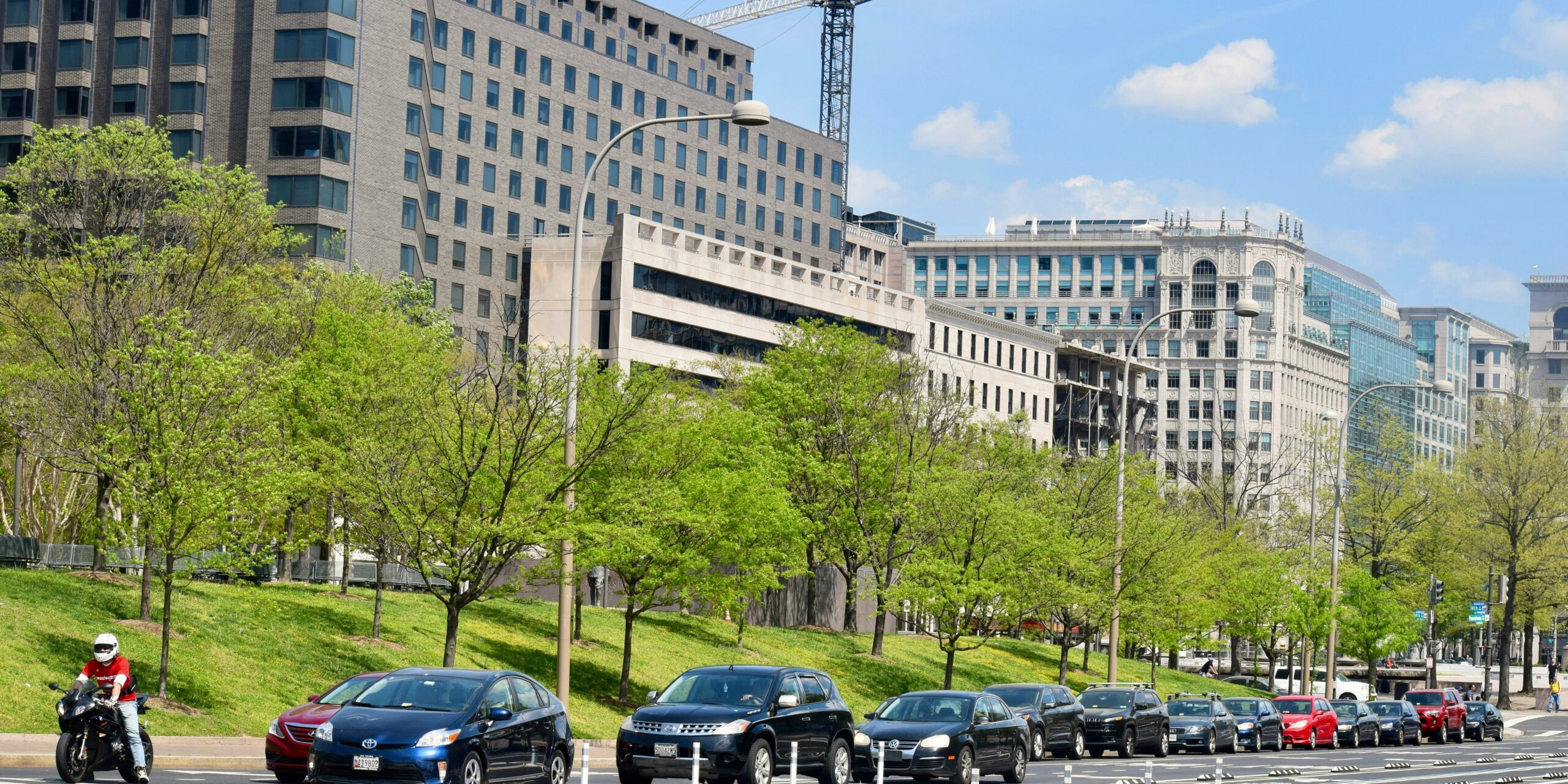
Construction officially began on January 23, continuing into the week of January 25, marking the start of Washington, D.C.’s largest office-to-residential conversion project in recent history. The ambitious development, known as The Geneva, is set to transform two aging office towers in the heart of the Dupont Circle neighborhood into a modern 15-story residential complex. The project will consist of 532 apartments, providing much-needed housing in an area known for its central location and vibrant urban atmosphere. Along with residential units, the development will also include commercial spaces that aim to support local businesses and contribute to the area’s economic revitalization.
The Geneva project is part of a growing trend in urban redevelopment, where underutilized or vacant office buildings are being repurposed to address the housing shortage faced by many cities, including Washington, D.C. Over the past few years, the demand for housing in urban centers has risen, largely driven by demographic shifts, including an influx of younger residents seeking to live close to work, amenities, and cultural centers. The transformation of office spaces into residential complexes is not only a response to this demand but also a creative solution to the challenges posed by vacant office buildings that have become less economically viable due to changing work patterns, particularly after the COVID-19 pandemic, which shifted many businesses to remote work. By repurposing these office spaces, developers are helping to breathe new life into city centers while addressing the housing crisis that many urban areas are facing.
A significant aspect of The Geneva project is its commitment to providing affordable housing. Out of the 532 total apartments, 60 will be designated as affordable housing units. This is an important step in making housing more accessible in the District, where rising property values have made it increasingly difficult for lower- and middle-income residents to find affordable living options. The inclusion of these affordable units is part of a broader initiative to create a more inclusive city that provides opportunities for all income levels to live in prime urban neighborhoods like Dupont Circle. The demand for affordable housing in Washington, D.C., has never been higher, and this project aims to make a meaningful contribution to addressing that need by ensuring that a percentage of the units remain accessible to those with lower incomes.
The success of The Geneva project has been made possible, in part, due to significant tax incentives and energy-efficiency financing secured by the developers. These financial tools are crucial in offsetting the high costs associated with the conversion of office buildings into residential spaces. The tax incentives, which are often used to encourage redevelopment projects in urban areas, help make the conversion more financially feasible. Meanwhile, the focus on energy efficiency underscores the developers’ commitment to sustainability, as the project incorporates green building practices that aim to reduce its environmental footprint. This emphasis on sustainability is in line with broader trends in urban development, where cities are increasingly focused on creating eco-friendly and energy-efficient buildings that contribute to a healthier environment.
As construction progresses, The Geneva is expected to be a model for future office-to-residential conversion projects in Washington, D.C., and across the nation. The trend of repurposing underutilized office buildings for residential use offers a solution to both the housing shortage and the challenge of revitalizing city centers. With its mix of market-rate and affordable housing, as well as its focus on sustainability and energy efficiency, The Geneva is poised to be a significant addition to Washington, D.C.’s urban landscape. As the city continues to grow and evolve, projects like The Geneva will play a vital role in shaping its future, ensuring that the urban fabric remains vibrant, diverse, and inclusive for all its residents.