The U.S. housing market continues to evolve as build-to-rent developments expand across major metropolitan areas, reflecting changing consumer preferences and ongoing demand for flexible housing options. New industry activity reported this week highlights the growing influence of professionally managed rental communities, which have become one of the most significant trends in residential real estate.
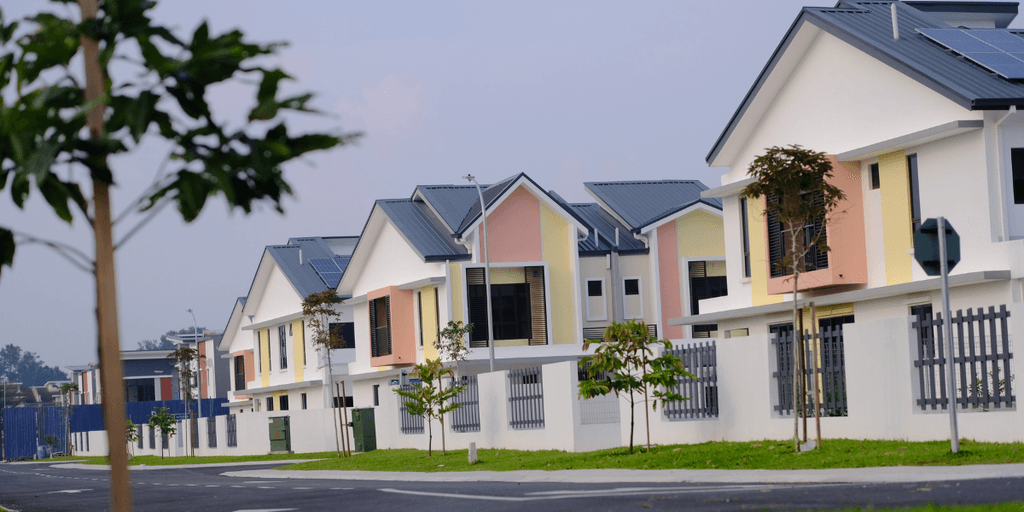
Build-to-rent housing refers to neighborhoods developed specifically for rental occupancy rather than individual homeownership. Unlike traditional apartment complexes, these communities typically consist of detached single-family homes that offer residents private living spaces, garages, outdoor areas, and neighborhood-style environments. The model has gained traction as developers seek to address shifting housing demands while creating new investment opportunities within the residential sector.
The continued growth of build-to-rent projects is being driven by a combination of demographic, economic, and lifestyle factors. Many households are seeking larger living spaces and greater flexibility without committing to homeownership. At the same time, elevated housing costs in numerous markets have made purchasing a home more challenging for some prospective buyers.
As a result, rental communities that provide many of the advantages associated with traditional homes have become increasingly attractive. Residents can enjoy additional space, private amenities, and professionally managed services while avoiding responsibilities related to property maintenance and long-term ownership obligations.
Industry analysts report that development activity remains particularly strong in regions experiencing sustained population growth. States such as Texas, Florida, Arizona, Georgia, North Carolina, and Tennessee continue to attract developers due to favorable demographic trends, employment growth, and housing demand. These markets have become focal points for new residential construction aimed at serving renters seeking alternatives to both apartment living and homeownership.
The build-to-rent sector has also attracted growing interest from institutional investors and real estate investment groups. Large-scale investors increasingly view professionally managed rental housing as a long-term asset class capable of generating stable occupancy and recurring revenue. This increased investment activity has contributed to the rapid expansion of development pipelines across the country.
Housing experts note that the rise of build-to-rent communities reflects broader changes occurring within the residential market. Household formation patterns, migration trends, remote work flexibility, and affordability considerations have all influenced how consumers approach housing decisions. Developers have responded by creating communities designed to align with these evolving preferences.
Many modern rental neighborhoods incorporate amenities traditionally associated with planned residential developments. Walking trails, fitness centers, dog parks, community gathering spaces, playgrounds, and recreational facilities have become common features. These amenities are intended to enhance quality of life while fostering a sense of community among residents.
Technology is playing an increasingly important role in the sector’s growth. Property operators are integrating digital leasing systems, resident portals, online payment platforms, smart-home devices, and automated maintenance request systems into community operations. These technologies improve efficiency while providing residents with convenient access to services and information.
The increasing adoption of housing technology reflects changing consumer expectations. Residents today often expect digital experiences similar to those available in retail, banking, and transportation services. Developers and property managers have responded by making technology infrastructure a central component of many new residential communities.
For real estate professionals, the expansion of build-to-rent housing is reshaping market dynamics. Realtors, developers, investors, and property managers are adapting to a residential landscape that includes a growing variety of housing products. Understanding renter preferences and emerging development trends has become increasingly important for industry participants seeking to navigate a competitive market environment.
The trend is also influencing broader discussions regarding housing supply. Housing economists frequently emphasize the importance of increasing residential inventory to meet growing demand. While build-to-rent developments represent only one segment of the housing market, they contribute additional options for households seeking flexible living arrangements.
Construction activity associated with rental housing expansion generates benefits that extend beyond residential occupancy. Builders, contractors, suppliers, maintenance providers, landscaping companies, technology vendors, and property management firms all play important roles in supporting the development and operation of these communities. This creates economic activity throughout multiple sectors connected to real estate.
Market observers believe demand for professionally managed rental housing will remain strong in the foreseeable future. Factors including affordability concerns, demographic changes, employment mobility, and lifestyle preferences continue to influence consumer decisions. As these trends persist, developers are expected to maintain interest in projects that address evolving housing needs.
Industry leaders emphasize that the growth of build-to-rent housing does not diminish the importance of homeownership within the American housing market. Instead, the sector represents an expansion of available choices, providing alternatives for households whose needs may not align with traditional ownership models at a particular stage of life.
The ongoing development of rental communities highlights the adaptability of the housing industry in responding to changing market conditions. By offering diverse housing options that balance flexibility, convenience, and residential quality, developers are helping shape the future of American housing.
As additional projects move through planning and construction phases, build-to-rent communities are expected to remain a significant area of focus for housing professionals, investors, and consumers. Their continued expansion demonstrates how residential real estate is evolving to meet the demands of a changing population while creating new opportunities throughout the housing sector.

Best Houses Contributor
Covers residential real estate and the agents behind it, from listings and design to the deals that close.
This article features partner, contributor, or branded content from a third party. Members of the Best Houses editorial staff were not involved in the creation of this content. All views and opinions are those of the contributor alone.