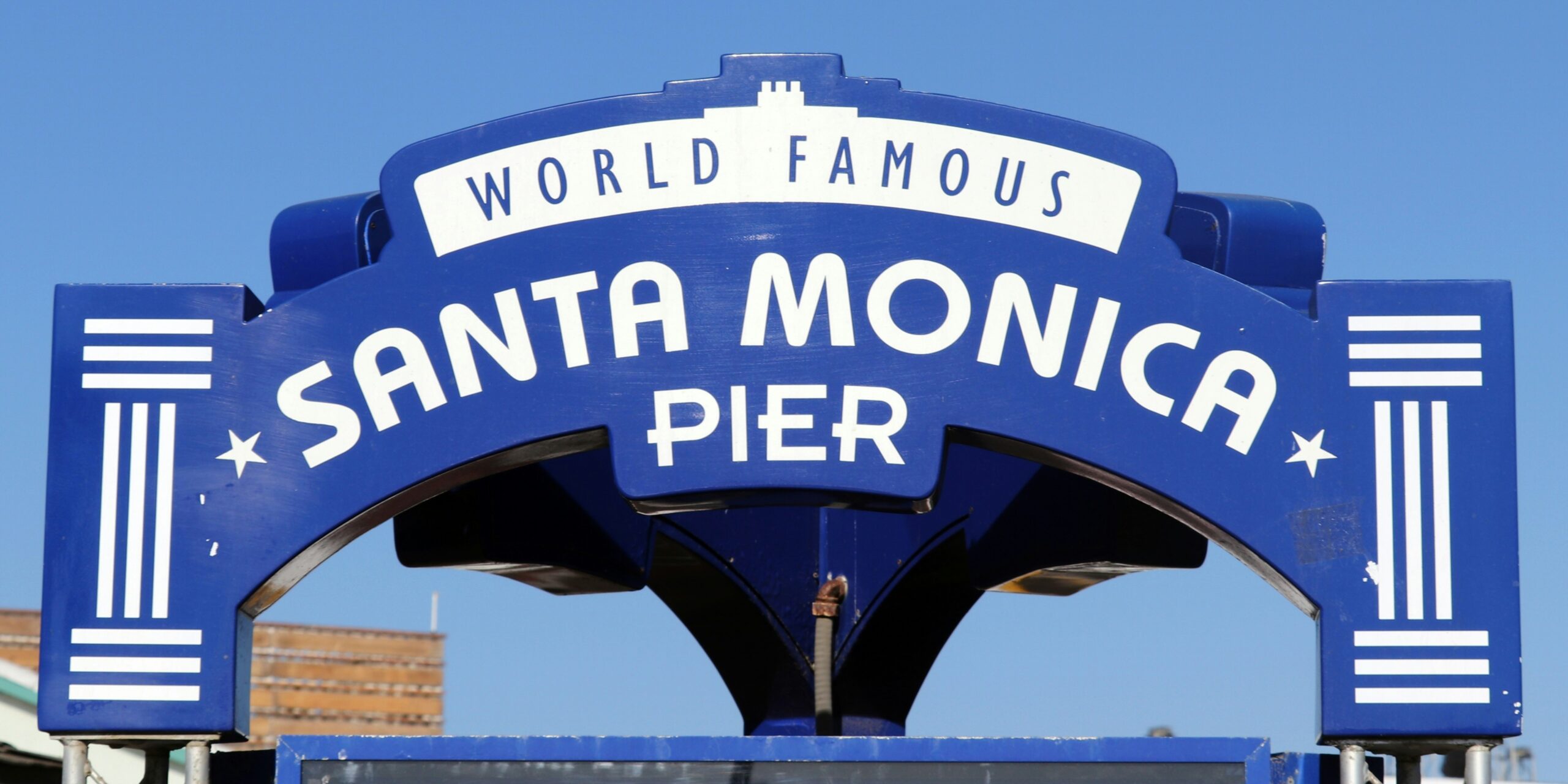
Santa Monica’s newly approved open-container ordinance, which permits the public consumption of alcohol along a designated area of the iconic Third Street Promenade, is facing a wave of scrutiny as it moves toward its summer implementation. Designed to boost the local economy and attract visitors, the initiative has stirred a variety of reactions from community members, local business owners, law enforcement, and residents. As the city council pushes forward with this pilot program, which will run from June through September, numerous stakeholders are raising concerns about its potential impact on public safety, the environment, and the city’s broader image.
The Ordinance: A Bid to Revive the Local Economy
Santa Monica, known for its coastal beauty and vibrant tourism industry, has been significantly affected by the COVID-19 pandemic. The pandemic resulted in closures of retail shops, restaurants, and attractions, which led to a decline in foot traffic along the city’s famous Third Street Promenade. This open-air shopping district, historically a bustling spot for both locals and tourists, saw a dramatic reduction in activity, and businesses struggled to remain afloat during the pandemic’s height.
In response, the city council of Santa Monica decided to introduce the open-container ordinance as part of a broader strategy to revitalize the local economy. The decision to allow alcohol consumption in a designated section of the Promenade is designed to encourage people to spend more time in the area, ultimately boosting tourism, foot traffic, and sales for local businesses. The city has also seen success with similar programs in other locations, such as Long Beach and San Diego, where open-container zones were established to attract visitors and reinvigorate the local economy.
By providing the public with the opportunity to enjoy a beverage while shopping or strolling along the promenade, Santa Monica hopes to create a festive atmosphere that encourages spending and socialization. The ordinance will allow the consumption of alcoholic beverages in designated areas during specific hours, with businesses selling drinks in plastic cups that can only be consumed within the boundaries of the open-container zone.
Evaluating the Potential Impact on Public Safety
While the economic boost is certainly a key goal, the new ordinance has also prompted concerns about its potential consequences on public safety. The Santa Monica Police Department (SMPD) has expressed worries that increased alcohol consumption in a public space could lead to a rise in alcohol-related incidents, including public intoxication, disorderly conduct, and even potential altercations between individuals. With a history of strict alcohol regulations in place throughout California, law enforcement officials are cautious about how the new initiative will affect public order and community well-being.
The SMPD has been working with the city to develop strategies to minimize the risk of any adverse outcomes. According to local authorities, a visible police presence will be stationed in the area during peak hours to monitor the program’s effectiveness and ensure public safety. The program’s success will depend heavily on enforcement mechanisms that help prevent incidents such as underage drinking, fights, and public drunkenness.
Furthermore, in an effort to ensure compliance, city officials have put strict rules in place for businesses participating in the program. Alcoholic beverages must be served in plastic cups rather than glass containers, a precaution designed to reduce the risk of injury. Additionally, vendors will be responsible for ensuring that customers consuming alcohol are doing so in moderation and within the prescribed areas. City officials have emphasized that the program will be closely monitored, and any necessary adjustments will be made as the pilot progresses.
Though some concerns remain about the enforcement challenges, particularly around potential for unruly behavior as alcohol flows more freely in public spaces, local authorities remain optimistic that the initiative can be safely managed. In anticipation of the pilot program, public awareness campaigns and community outreach efforts have been initiated to encourage responsible drinking and promote safety measures for those participating in the open-container zone.
Local Businesses: A Mixed Bag of Support and Caution
The open-container ordinance has sparked a division of opinion among local business owners along the Third Street Promenade. Some are eagerly anticipating the economic benefits the program may bring, while others remain cautious or concerned about the potential negative consequences.
Support for the Ordinance
Many business owners along the Promenade are welcoming the ordinance with open arms, viewing it as a much-needed economic stimulus for Santa Monica. The COVID-19 pandemic dealt a heavy blow to the local economy, and many small businesses continue to struggle with reduced customer traffic. These entrepreneurs are optimistic that the ability to offer alcoholic beverages to customers in an outdoor setting will create a more relaxed and inviting atmosphere for shoppers, encouraging them to stay longer and spend more money.
“We’re hopeful that this ordinance will bring in more visitors and keep people in the area longer,” said one local restaurant owner, who added that outdoor dining and social spaces have become increasingly popular post-pandemic. “It’s a great opportunity for us to boost sales and attract people who are ready to socialize, enjoy a drink, and shop.”
Several establishments are already preparing to adjust their business models to accommodate the open-container program. Restaurants and bars are planning special promotions, including drink pairings and themed events designed to draw in more customers. Others are even looking at expanding their outdoor seating areas to provide a more immersive experience for patrons who want to enjoy a drink in the designated open-container zone.
Concerns Over Public Order and Cleanliness
On the flip side, some local business owners are expressing caution about the open-container ordinance, especially regarding its impact on cleanliness and public order. Several restaurants and cafes have voiced concerns that the increased flow of alcohol could lead to more littering and challenges related to cleaning up alcohol-related debris, including empty cups and bottles, discarded napkins, and other waste.
“I think it’s great to encourage tourism, but I’m worried about the mess it might create,” said one local business owner who asked to remain anonymous. “Already, we see a lot of litter along the Promenade, and I’m concerned that giving people more access to alcohol will make the problem worse.”
While the city is planning to have additional cleaning crews stationed in the area, business owners remain wary of the logistics involved in keeping the area clean and safe. Several have also expressed concerns about potential noise disruptions and unruly behavior among patrons who have consumed alcohol in the public space.
Resident and Community Reactions
The open-container initiative has also sparked discussions among Santa Monica residents, particularly those who live near the Third Street Promenade. While some residents are in favor of the ordinance, viewing it as a positive step toward revitalizing the local economy and supporting the city’s recovery, others have raised concerns about the noise and disruption it could bring to their neighborhoods.
Community groups concerned with preserving Santa Monica’s family-friendly atmosphere and quiet residential neighborhoods are calling for more stringent measures to prevent disturbances. Some residents have voiced concerns that the presence of intoxicated individuals on the Promenade could create an unsafe environment for families with children, and potentially lead to an uptick in late-night disturbances.
To address these concerns, city officials have assured the public that the ordinance will be evaluated regularly, with adjustments made as necessary to mitigate any negative impacts on the surrounding community. This includes continuing to engage residents through town halls and community forums, where they can share their feedback and voice their concerns.
Looking Ahead: The Pilot Program and Beyond
As the pilot program moves closer to its launch in June, Santa Monica remains committed to monitoring its impact. The city has stated that it will take a measured approach, adjusting the rules and regulations as needed based on feedback from the community and local businesses. The goal is to find the right balance between stimulating the local economy, promoting tourism, and maintaining public safety and order.
If successful, the open-container initiative could pave the way for similar programs in other areas of Santa Monica and beyond, contributing to a broader trend of cities experimenting with alcohol consumption zones as a tool for economic revitalization. As summer approaches, all eyes will be on the Third Street Promenade, as Santa Monica navigates this new chapter in its recovery and growth.