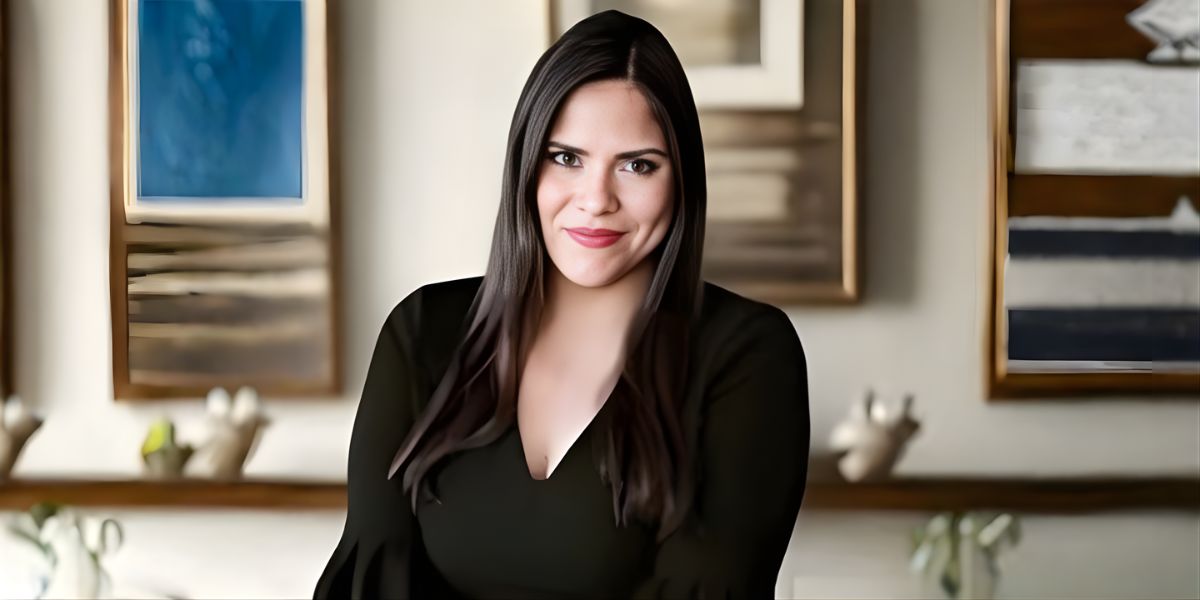
How Sensory Interiors is quietly redefining what supportive space can feel like for neurodivergent individuals and their families.
Creating spaces that truly support neurodivergent individuals requires more than aesthetic appeal, it requires understanding how environments affect the nervous system. Sensory Interiors, led by designer Lily Riefkohl, is quietly transforming the way homes, clinics, and schools support neurodivergent children and their families.
Seeing Beyond Behavior
In busy therapy clinics, children often arrive dysregulated and leave exhausted. Overwhelming colors, harsh lighting, and echoing sounds can amplify stress, even in the most compassionate environments. When Lily first entered such a space, she recognized the real challenge: an overstimulating environment rather than misbehavior. This insight sparked a mission to create spaces that help children feel safe, calm, and able to engage.
The Birth of Sensory Informed Design
Sensory Interiors was founded to answer one fundamental question: how does a room feel to a nervous system that processes the world differently? With a Master’s in Interior Design and training in environmental design and architecture, Lily combines professional expertise with her lived experience of ADHD. Her approach draws on over a decade of studying light, sound, color, and layout, alongside years of collaborating with clinicians, therapists, and caregivers.
Through more than thirty-five ABA clinics, she has demonstrated how thoughtful design can transform chaotic spaces into calming, functional environments. Small but strategic changes, adjustable lighting, softer color palettes, sound-absorbing materials, help children settle more quickly, while parents and staff experience less stress.
Designing Spaces That Support Care
Even without structural changes, sensory informed design can make a significant difference. At early therapy centers, harsh primary colors gave way to gentle tones. Fabrics were chosen for durability and comfort. Lighting became dimmable, allowing staff to adjust the environment throughout the day. Dedicated sensory spaces provided purposeful retreats without isolating children. Safety was also integrated subtly, with padded surfaces and delayed-opening doors that offer protection without feeling clinical.
The result is measurable: fewer tantrums, better engagement, and environments that act as quiet but essential members of the care team.
Extending Design to the Home
The same principles that improve clinics can transform everyday family life. Many homes inadvertently create stress for neurodivergent children through bright lighting, noisy floors, or visual clutter. Sensory Interiors guides families in adjusting their environments to reduce triggers and provide comfort.
One parent shared:
“Working with Lily was a game-changer for our family. She helped us create a home where our child can thrive, with retreat spaces that provide comfort without complete isolation. Sleep and daily routines have improved significantly.”
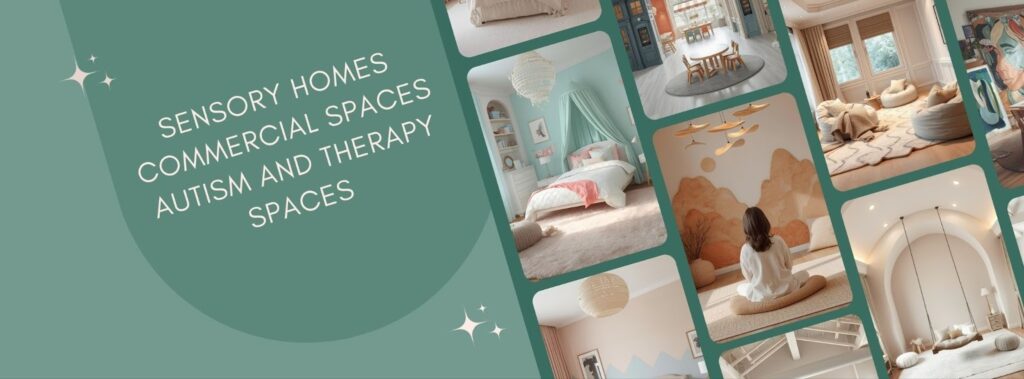
Practical solutions, flexible layouts, soft textures, and controlled lighting, allow children to self-regulate, helping families experience calmer routines and more predictable, supportive spaces.
What Sets Sensory Interiors Apart
Sensory Interiors focuses on neurodivergent needs, ensuring every design decision centers on how individuals experience their environment. Lily’s expertise bridges design psychology and real-world clinical knowledge, resulting in spaces that are functional, beautiful, and supportive. The studio’s client-centered philosophy involves collaboration with families, therapists, and educators to create environments that feel inclusive and understandable.
The firm also prioritizes access. Through virtual consultations, community support programs, and partnership rates for clinics, Sensory Interiors reaches families nationwide, helping more children and caregivers benefit from sensory informed design.
Impact and Vision
With approximately 1 in 36 children in the United States diagnosed with autism, the need for supportive spaces is significant. Sensory Interiors addresses this gap, ensuring environments, whether clinics, homes, or classrooms, enhance well-being rather than contribute to stress.
The studio also works to educate communities about sensory informed design, providing practical strategies for caregivers, school leaders, and therapists. The broader vision is clear: design should support the people inside it, creating spaces where children can learn, families can feel relief, and therapists can focus on care rather than environmental challenges.
Join the Movement
Sensory Interiors is redefining what supportive spaces can be. From South Florida to virtual consultations across the country, the studio continues to demonstrate how thoughtful, evidence-informed design can have a meaningful, measurable impact on neurodivergent individuals and their families.
For more insights, explore Sensory Interiors’ website, Instagram, and LinkedIn. Learn more about founder Lily Riefkohl and read client feedback on Google Reviews.