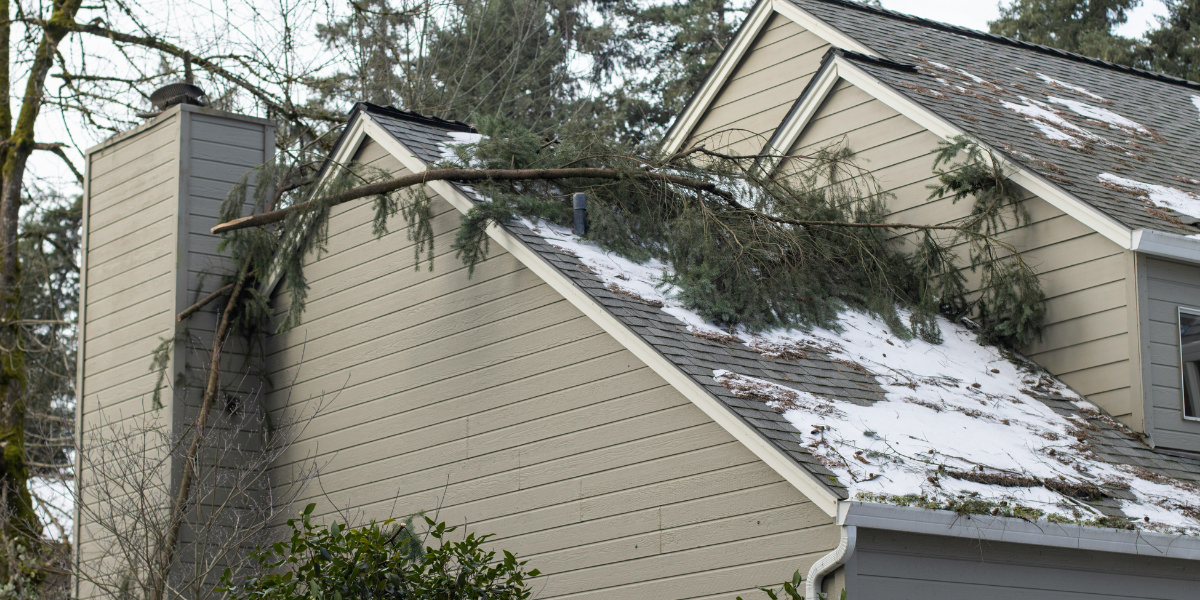
On February 5, 2026, a powerful and complex winter storm system moved across the Ohio Valley and parts of the southeastern United States, producing a rare combination of heavy winter weather and severe thunderstorms capable of spawning tornadoes. This unusual weather event has important implications not only for public safety but also for homeowners, buyers, insurers, and real‑estate professionals navigating markets in affected regions.
The Weather Event: Winter Storm Meets Severe Weather
As the winter storm tracked across a large portion of the U.S., temperatures contrasted sharply between the storm’s cold and warm sectors. In the colder northern parts of the system, snow and freezing conditions created typical winter storm hazards. However, on the southern and eastern fringes, warm, moist air fueled powerful thunderstorms. These storms produced multiple tornadoes, an uncommon outcome during a winter weather event in the Ohio Valley region.
According to records compiled from storm surveys and meteorological analyses:
- Three EF1 tornadoes were confirmed in Kentucky, including one in Owsley County that upended trees and destroyed a small residence.
- Additional EF1 tornadoes near Magnolia and Dango caused moderate structural damage including barns and outbuildings.
- In Tennessee, a high‑end EF2 tornado inflicted significant tree damage and destroyed mobile homes near Deer Lodge, with confirmed fatalities and injuries.
These tornadoes, combined with heavy rain and strong winds, amplified the storm’s impact and created a multi‑hazard event that stressed emergency response systems and disrupted local communities.
Housing and Community Impact
For homeowners and potential buyers in regions affected by the storm and tornadic activity, the event underscores several key considerations for housing safety, market resilience, and long‑term planning:
1. Structural Vulnerability and Preparedness
The destruction of residences, particularly mobile homes and older structures without reinforced storm protection, highlights the importance of building standards that account for severe weather risks. In areas prone to tornadoes or transitional weather systems, homes built with reinforced safe rooms, storm shelters, or wind‑resistant features can significantly reduce loss of life and property damage. Homebuyers and builders alike should factor these considerations into purchasing decisions and construction plans.
2. Insurance and Financial Protection
Severe weather events directly influence home insurance markets. As tornadoes and winter storms continue to affect larger swaths of the country, insurers may adjust premiums or coverage terms in regions at higher risk. Property owners in tornado‑prone areas might face higher wind‑damage premiums, stricter underwriting standards, or increased deductibles after major claims events. Real‑estate professionals advising clients in these markets should be equipped to discuss the implications of storm frequency on insurance costs and resale value.
3. Market Perceptions and Migration Patterns
Natural disasters and extreme weather influence people’s perceptions of regional risk. While many factors determine where people choose to live, jobs, schools, amenities, perceived climate risk is increasingly part of the decision‑making process. Markets that experience repeated severe weather may see slower price growth or buyer hesitancy, whereas communities that invest in resilient infrastructure could become more attractive over time.
4. Recovery and Construction Activity
Post‑storm recovery often stimulates local construction and renovation, which can temporarily boost demand for building materials, labor, and real‑estate services. However, extended recovery periods can strain local resources and delay transactions. Realtors and investors should be aware of such dynamics, which can shape short‑term activity and, in some cases, long‑term neighborhood revitalization.
Broader Significance and Climate Context
The February 5 event sits within a broader pattern of increasingly complex weather systems. As atmospheric dynamics evolve, regions that traditionally experienced distinct seasons may see overlapping hazards, such as winter storms capable of producing tornadoes in transition zones. For the real‑estate industry, these trends emphasize the need for climate‑informed planning, risk communication, and market strategies.
While the connection between individual weather events and climate change requires careful scientific attribution, the increased variability and severity of extreme weather is prompting more stakeholders to integrate hazard assessments into real‑estate decisions.
Key Takeaways for the Real‑Estate Community
- Risk Assessment Is Essential: Realtors should help clients understand regional weather risks and how they affect property values and insurance.
- Insurance Literacy Matters: Buyers need clear information about what policies cover, and don’t cover, especially for wind, flood, and hail damage.
- Resilience Can Be a Market Asset: Communities and homeowners investing in resilient building practices may enjoy greater market stability and buyer confidence.
- Data‑Driven Decisions Win: Leveraging weather forecast data and historical storm records can guide smarter investment and construction choices.
In summary, the severe weather outbreak on February 5, 2026, is a reminder that natural hazards and real‑estate markets are interconnected. As climate variability remains a long‑term factor, homebuyers, investors, and industry professionals must increasingly blend housing market insight with environmental risk awareness to make informed decisions that enhance both safety and value.