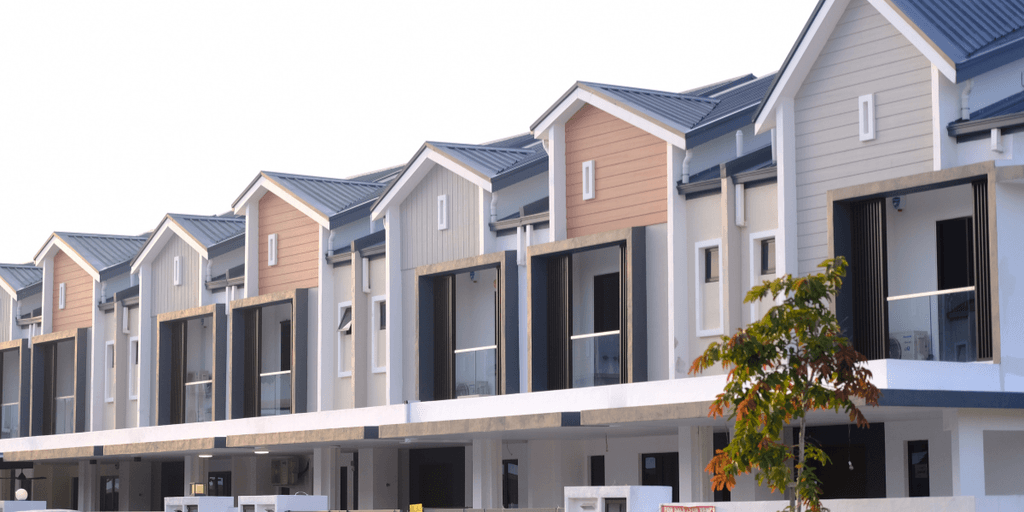
The U.S. single-family rental market continued to draw attention from real estate professionals, developers, and housing analysts as new industry data highlighted ongoing growth in rental housing demand across major metropolitan regions. The trend reflects changing consumer preferences, affordability challenges in the homeownership market, and increased investment activity within the residential real estate sector.
Single-family rentals have become an increasingly important component of the American housing market over the past several years. Unlike traditional apartment communities, these properties offer renters access to detached homes, private outdoor space, and neighborhood environments that more closely resemble owner-occupied housing. As housing costs remain elevated in many regions, demand for these properties has remained strong among a wide range of renter demographics.
Housing market observers note that affordability continues to influence residential decisions for many households. Elevated home prices, financing costs, insurance expenses, and other ownership-related costs have prompted some prospective buyers to postpone purchasing decisions while continuing to seek larger and more flexible housing options. As a result, professionally managed rental homes have emerged as an attractive alternative for many families and individuals.
The expansion of the single-family rental sector has attracted significant attention from developers and institutional investors. Large-scale operators have continued acquiring, developing, and managing rental housing portfolios in markets experiencing population growth and sustained housing demand. Industry experts point to states such as Texas, Florida, Arizona, North Carolina, Georgia, and Tennessee as areas where development activity remains particularly active.
One of the defining characteristics of the sector’s growth has been the emergence of purpose-built rental communities. Rather than converting existing homes into rentals, developers are increasingly constructing neighborhoods specifically designed for long-term rental occupancy. These projects often include community amenities, professional management services, maintenance programs, and technology-enabled resident experiences.
The rise of purpose-built rental housing reflects broader changes within the residential market. Consumers increasingly value flexibility, convenience, and reduced maintenance responsibilities while still seeking the space and privacy associated with traditional homes. Developers have responded by creating communities designed to meet those preferences while offering consistent management standards and modern amenities.
Technology continues to play a growing role in residential property management. Many newly developed rental communities incorporate digital leasing systems, mobile resident portals, smart-home technology, remote access controls, and online maintenance request platforms. Property managers view these tools as important operational resources that improve efficiency while enhancing the resident experience.
The adoption of property technology has accelerated across the housing industry as consumer expectations evolve. Residents increasingly expect digital access to services ranging from rent payments and maintenance requests to community communications and account management. Developers and property managers are investing in these technologies to remain competitive in a rapidly changing marketplace.
The continued growth of the rental housing sector has implications for local housing markets as well. In many communities, limited housing inventory and strong population growth have contributed to increased demand for rental properties. Additional rental housing supply may provide more options for households while supporting broader efforts to address housing shortages in certain regions.
Real estate economists caution that housing market conditions vary significantly across the country. Local factors such as employment growth, migration patterns, construction costs, land availability, and infrastructure capacity all influence residential development activity. Nevertheless, the expansion of single-family rental housing remains one of the most closely monitored trends within the broader housing sector.
For real estate professionals, the changing landscape presents both opportunities and challenges. Realtors, developers, property managers, and investors must adapt to evolving consumer preferences while navigating market conditions that continue to shift. Understanding rental demand patterns, demographic changes, and housing affordability trends has become increasingly important for industry participants.
Commercial activity connected to residential development has also expanded. Construction firms, building material suppliers, maintenance providers, landscaping companies, technology vendors, and property management organizations all contribute to the operation of rental communities. This interconnected ecosystem highlights the broader economic significance of residential real estate development.
Industry analysts expect housing demand to remain influenced by demographic trends and economic conditions in the years ahead. Population growth in certain regions, changing household formation patterns, and ongoing affordability considerations are likely to continue shaping housing preferences. While ownership remains a goal for many Americans, rental housing has established itself as an increasingly important segment of the market.
The sector’s expansion also demonstrates how residential real estate continues to evolve in response to consumer needs. Housing providers are increasingly offering diverse options that accommodate different lifestyles, financial circumstances, and long-term objectives. This flexibility has become a defining characteristic of the modern housing market.
As development activity continues and new communities come online, the single-family rental sector is expected to remain a significant area of focus for housing professionals and consumers alike. The market’s growth reflects broader shifts in housing demand and underscores the importance of expanding residential options in a dynamic and changing real estate environment.
For homeowners, renters, investors, and industry professionals, the continued evolution of the rental housing market serves as a reminder that residential real estate remains one of the most important sectors influencing economic activity, community development, and household decision-making across the United States.

Best Houses Contributor
Covers residential real estate and the agents behind it, from listings and design to the deals that close.
This article features partner, contributor, or branded content from a third party. Members of the Best Houses editorial staff were not involved in the creation of this content. All views and opinions are those of the contributor alone.