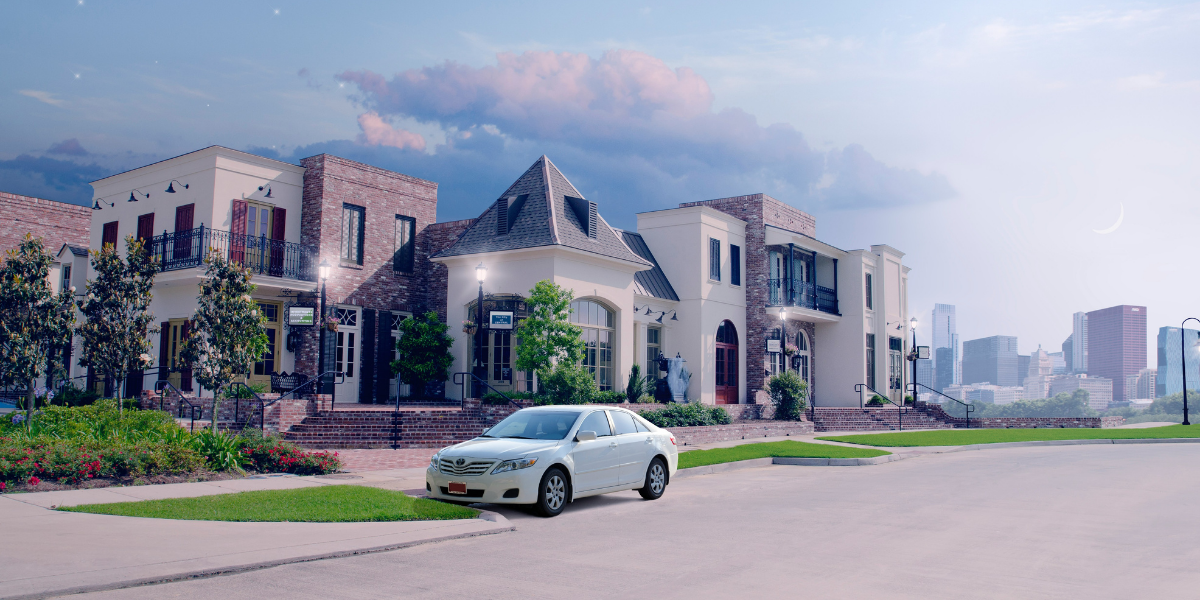
As we move further into 2026, the commercial real estate (CRE) market is facing both challenges and exciting opportunities. The dynamics of this sector continue to evolve, influenced by factors ranging from technological advancements to changing societal behaviors and economic shifts. For real estate investors, developers, and professionals, staying informed about the latest trends and innovations is crucial for making informed decisions. Here’s a look at some of the key factors shaping the commercial real estate landscape in the United States this year.
1. The Remote Work Shift: Adapting Office Spaces for Hybrid Models
The rise of remote and hybrid work models over the past few years has significantly impacted the demand for traditional office spaces. As many companies adopt flexible work arrangements, the need for large, centralized office buildings is diminishing. However, this does not mean the office space market is in decline. Instead, there’s a shift toward hybrid office environments designed to foster collaboration, community, and innovation.
In response, landlords are updating office buildings with features like open layouts, flexible workstations, and on-site amenities such as wellness rooms and advanced technology infrastructure. Furthermore, smaller, boutique office spaces are becoming more popular, as companies seek spaces that better align with their evolving workforce needs.
2. The Rise of Mixed-Use Developments
Mixed-use developments are gaining traction in urban areas across the United States. These projects combine residential, commercial, and recreational spaces within a single development, promoting convenience and accessibility. As cities continue to densify, mixed-use developments offer a way to create vibrant communities that minimize the need for long commutes and promote walkability.
In 2026, this trend is expected to grow even further, particularly in cities like Austin, Dallas, and Seattle, where there is strong demand for live-work-play environments. Developers are focusing on creating spaces that integrate green areas, retail outlets, and flexible office spaces, catering to a diverse range of tenants from businesses to families.
3. Sustainability and Green Building Practices
Environmental concerns and sustainability have become central to the future of commercial real estate. With the growing emphasis on reducing carbon footprints and conserving resources, there is a significant push for green building practices. Developers and investors are increasingly prioritizing eco-friendly construction, renewable energy solutions, and LEED (Leadership in Energy and Environmental Design) certifications for commercial properties.
Sustainable features like energy-efficient HVAC systems, smart building technologies, and sustainable materials are now seen as essential components in attracting tenants and buyers. Additionally, as regulatory frameworks around sustainability become more stringent, developers are working to ensure their properties align with local and national environmental goals, which will likely continue to shape the commercial market in the years ahead.
4. The Impact of E-Commerce on Retail Spaces
E-commerce continues to disrupt the retail sector, changing the way consumers shop and how retailers operate. However, this does not necessarily mean the death of physical retail spaces. Instead, the retail market is transforming, with brands shifting toward experiential retail and omnichannel strategies. These changes are prompting the redesign of shopping centers and storefronts to accommodate new consumer behaviors.
Retail landlords are investing in making their spaces more engaging, integrating advanced technology like augmented reality (AR) and interactive displays to enhance the in-store shopping experience. Additionally, some retail spaces are being reimagined as fulfillment centers for e-commerce orders, blending the lines between traditional retail and logistics. This adaptation allows landlords to meet the demands of both brick-and-mortar and online shoppers.
5. Technological Innovations in Commercial Real Estate
Technology continues to revolutionize commercial real estate, with innovations ranging from smart building technologies to the use of artificial intelligence (AI) and big data analytics in property management. Smart buildings, which integrate IoT (Internet of Things) devices, allow for greater control over building systems, reducing operational costs, enhancing energy efficiency, and improving tenant satisfaction.
Furthermore, data-driven tools are enabling investors and developers to make more informed decisions about property investments and market trends. Artificial intelligence is being used to analyze vast amounts of data, helping industry professionals predict market movements, optimize leasing strategies, and even streamline the construction process.
6. The Rise of Industrial Real Estate
Industrial real estate has emerged as one of the strongest sectors in commercial real estate, driven by the continued growth of e-commerce and the demand for last-mile delivery centers. Warehousing and distribution facilities are in high demand, especially in major metropolitan areas where quick delivery times are crucial. This trend is expected to continue into 2026 and beyond, as supply chains become even more reliant on technology and fast delivery systems.
Investors are increasingly focusing on industrial properties due to their stable returns and low vacancy rates. In addition, advancements in automation and robotics are driving further interest in modern industrial spaces that can support these technologies.
7. CRE and the Changing Retail Landscape
The ongoing evolution of retail is reshaping the commercial real estate market, with a focus on adaptability. Retail spaces are now being designed with flexibility in mind to accommodate a variety of uses, from pop-up shops to e-commerce hubs. Additionally, there is a notable increase in the development of smaller-scale retail concepts that prioritize local businesses and community engagement.
As consumer preferences shift toward convenience and sustainability, developers are emphasizing energy-efficient buildings and green spaces, appealing to tenants that align with eco-conscious values. The integration of technology in retail properties is also becoming more prevalent, with smart systems that help retailers manage their inventories, optimize space, and enhance the shopping experience.
Conclusion
The commercial real estate sector in 2026 is experiencing a period of transformation driven by technology, shifting consumer behaviors, and evolving societal needs. Developers, investors, and real estate professionals who stay ahead of these trends—such as hybrid workspaces, mixed-use developments, sustainability efforts, and technological innovations—will be well-positioned to thrive in an increasingly dynamic market. As the industry adapts to these changes, the future of commercial real estate looks both promising and challenging, requiring ongoing innovation and flexibility from all stakeholders involved.