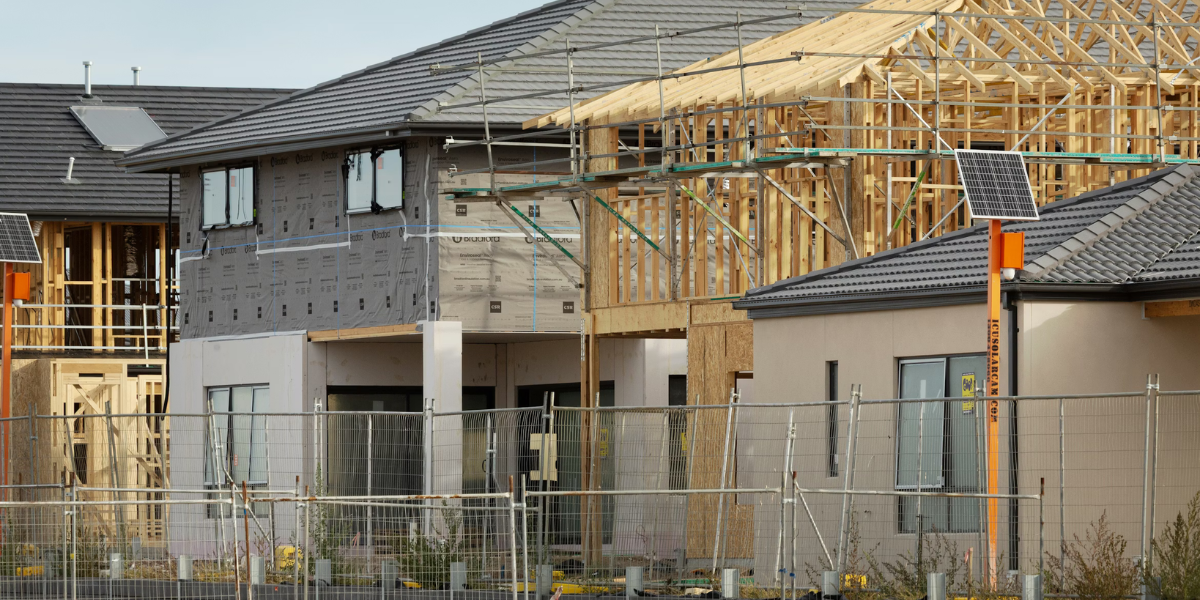
On April 2, 2026, a major housing supply expansion initiative was announced in the United States, marking one of the most significant coordinated efforts in recent years to address persistent inventory shortages and affordability challenges across both residential and commercial real estate sectors. The initiative brings together federal housing agencies, private developers, and local governments to accelerate construction timelines, modernize zoning practices, and increase access to financing for new developments.
The program is designed to tackle a long-standing imbalance between housing demand and available supply. Over the past several years, housing markets across the country have experienced rising home prices, limited inventory, and increased competition among buyers. Industry analysts have consistently pointed to underbuilding, supply chain disruptions, and regulatory bottlenecks as key contributors to these conditions. This new initiative aims to address those structural challenges through a combination of funding incentives, regulatory streamlining, and public-private collaboration.
A central component of the initiative is the allocation of new funding mechanisms to support residential construction projects, particularly in high-demand urban and suburban areas. Developers will have access to expanded financing tools intended to reduce upfront costs and mitigate risks associated with large-scale housing developments. These tools include low-interest construction loans and incentives for projects that incorporate affordable housing units within mixed-income communities.
In addition to financial support, the initiative emphasizes the modernization of zoning and permitting processes. Local governments participating in the program are encouraged to adopt faster approval timelines and more flexible land-use policies. This includes revisiting zoning restrictions that limit density or prevent the development of multi-family housing in areas previously designated for single-family use. By reducing administrative delays, the initiative aims to shorten project timelines and increase the pace at which new housing units enter the market.
The commercial real estate sector is also expected to benefit from the initiative, particularly through adaptive reuse strategies. As office vacancy rates remain elevated in certain metropolitan areas, developers are being incentivized to convert underutilized commercial properties into residential units. This approach not only helps increase housing supply but also revitalizes urban cores and supports local economies.
Industry experts note that the integration of technology will play a key role in the initiative’s success. Digital permitting systems, construction management software, and modular building techniques are being promoted as ways to improve efficiency and reduce costs. Modular construction, in particular, has gained traction as a method for accelerating build times while maintaining quality standards. By assembling components off-site and transporting them for final installation, developers can significantly cut down on construction timelines.
Another important aspect of the initiative is its focus on workforce development within the construction industry. Labor shortages have been a persistent challenge, contributing to project delays and increased costs. To address this, the program includes provisions for training and workforce expansion, with an emphasis on attracting new talent to skilled trades. Partnerships with vocational schools and training centers are expected to play a critical role in building a more robust construction workforce.
The initiative also places a strong emphasis on sustainability and resilience. New developments supported under the program are encouraged to incorporate energy-efficient designs, environmentally friendly materials, and climate-resilient infrastructure. These measures are intended to reduce long-term operating costs for homeowners and tenants while also addressing broader environmental concerns.
From a market perspective, the initiative is expected to gradually ease upward pressure on home prices by increasing overall supply. While the impact will not be immediate, analysts anticipate that a steady pipeline of new housing units could lead to more balanced market conditions over the coming years. For homebuyers, this may translate into increased options and reduced competition, while investors may benefit from new opportunities in both residential and mixed-use developments.
Real estate professionals, including agents and brokers, are likely to see shifts in market dynamics as inventory levels begin to improve. Increased supply can lead to more stable transaction volumes and a broader range of property types available to clients. For developers, the initiative represents an opportunity to scale projects more efficiently while navigating fewer regulatory hurdles.
However, experts caution that successful implementation will depend on consistent coordination among stakeholders. Aligning federal guidelines with local regulations, ensuring timely distribution of funding, and maintaining transparency throughout the process will be critical factors in determining the initiative’s effectiveness.
In summary, the April 2, 2026 housing supply expansion initiative represents a comprehensive effort to address some of the most pressing challenges in the U.S. real estate market. By combining financial incentives, regulatory reforms, technological innovation, and workforce development, the program aims to create a more resilient and accessible housing landscape. While results will take time to materialize, the initiative signals a proactive approach to supporting long-term growth and stability in both residential and commercial property sectors.