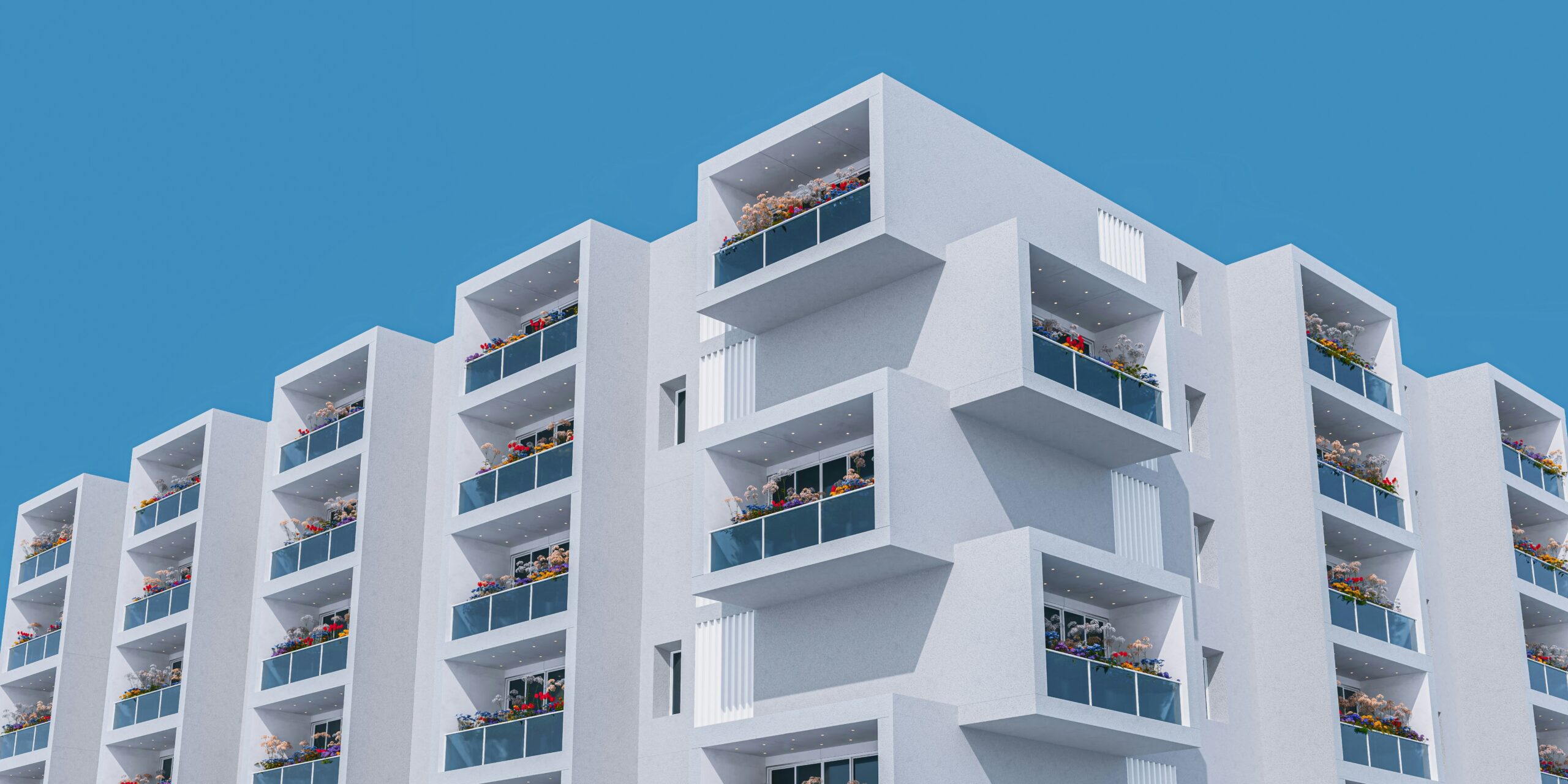
Washington, D.C. has become a national leader in a growing urban trend: converting outdated office buildings into residential housing. This shift, gaining momentum in early 2026, reflects a deeper transformation in how cities use space in the wake of pandemic-driven changes to work and lifestyle habits. With more than 6,500 housing units now planned through office conversions—second only to New York City—Washington is rapidly reshaping its downtown and commercial corridors to meet housing needs while reactivating underutilized real estate.
The movement toward adaptive reuse has accelerated as office vacancy rates remain historically high. In D.C., where federal agencies and large institutions traditionally anchored office demand, the rise of hybrid and remote work has left many buildings partially empty or functionally obsolete. As landlords grapple with diminished occupancy and declining lease revenues, conversions to residential use offer a lifeline—transforming economic liabilities into high-demand housing assets.
One of the most ambitious examples is a $750 million redevelopment led by Post Brothers, a Philadelphia-based real estate firm known for large-scale urban projects. Their plan involves converting two adjacent office buildings on Connecticut Avenue into more than 600 rental apartments. Located near Dupont Circle, the project leverages the area’s strong residential demand, proximity to Metro transit, and walkable amenities. Post Brothers secured a record-setting $465 million in Commercial Property Assessed Clean Energy (C-PACE) financing, which allows for upfront funding of major sustainability upgrades—such as HVAC modernization, energy-efficient windows, and water-saving systems—by treating these improvements as public benefits repaid through property tax assessments.
C-PACE financing is proving to be a critical tool in the office-to-residential playbook, especially as traditional construction lending becomes more conservative amid economic uncertainty. These financing mechanisms help developers manage costs while integrating green infrastructure into adaptive reuse projects, aligning financial returns with broader environmental goals. The Post Brothers project represents one of the largest uses of C-PACE funding in the country and is expected to serve as a model for future large-scale conversions in other cities.
The real estate transformation underway in D.C. is also being propelled by municipal policy. City leaders have introduced a range of incentives to encourage office-to-housing conversions, including tax abatements, expedited permitting, and zoning changes. Among these is the Housing in Downtown initiative, which offers up to 20 years of property tax relief for eligible projects that introduce new housing units into the city’s commercial core. These incentives are designed to counterbalance the high costs of retrofitting office buildings and to attract developers who may otherwise focus on ground-up construction elsewhere.
Architecturally, converting office space to livable housing presents notable challenges. Many commercial buildings were originally designed with deep floor plates and central elevator cores, which can make it difficult to create apartments with natural light and adequate ventilation. To address this, architects and engineers are devising creative solutions—such as carving out courtyards, adding light wells, and reconfiguring floor layouts—to ensure that units meet modern residential standards. These efforts often include preserving historical façades while completely reimagining interiors, blending old and new in a way that respects the building’s legacy while serving today’s residents.
In addition to structural challenges, developers must consider how to build residential communities within spaces once defined by daily office rhythms. Office buildings in downtown areas were often designed for daytime activity, not round-the-clock living. As more people begin to call these spaces home, the character of neighborhoods is shifting. Formerly quiet streets after 5 p.m. are now seeing signs of life in the evenings and on weekends, with local businesses adapting to new patterns of foot traffic. Coffee shops are staying open later, grocery stores are appearing in places once dominated by delis and lunch counters, and new restaurants and entertainment venues are opening to meet the needs of residents rather than commuters.
These conversions are not just about real estate—they are about reimagining the social and economic fabric of the city. By bringing thousands of new residents into areas that once emptied after business hours, office-to-housing projects are helping to create more vibrant, resilient urban environments. The transition also represents a more sustainable approach to development, minimizing demolition and new construction by repurposing existing structures and reducing the environmental impact of materials and transportation.
Beyond D.C., cities across the country are watching closely. With office vacancies rising in markets like San Francisco, Chicago, and Boston, the lessons learned from Washington’s rapid adaptation could inform national policy and private-sector investment strategies. Analysts suggest that what’s happening in the nation’s capital may foreshadow a broader rebalancing in American urban centers, where the future of work, housing affordability, and sustainability intersect.
As 2026 continues, the pace of office-to-housing conversions in Washington, D.C. is expected to accelerate. With the right mix of public policy, financing innovation, and architectural creativity, the city is not only responding to today’s real estate challenges but also building a blueprint for the urban future—one that emphasizes flexibility, livability, and long-term resilience. The transformation may be born of necessity, but its outcomes could define the next generation of city living.