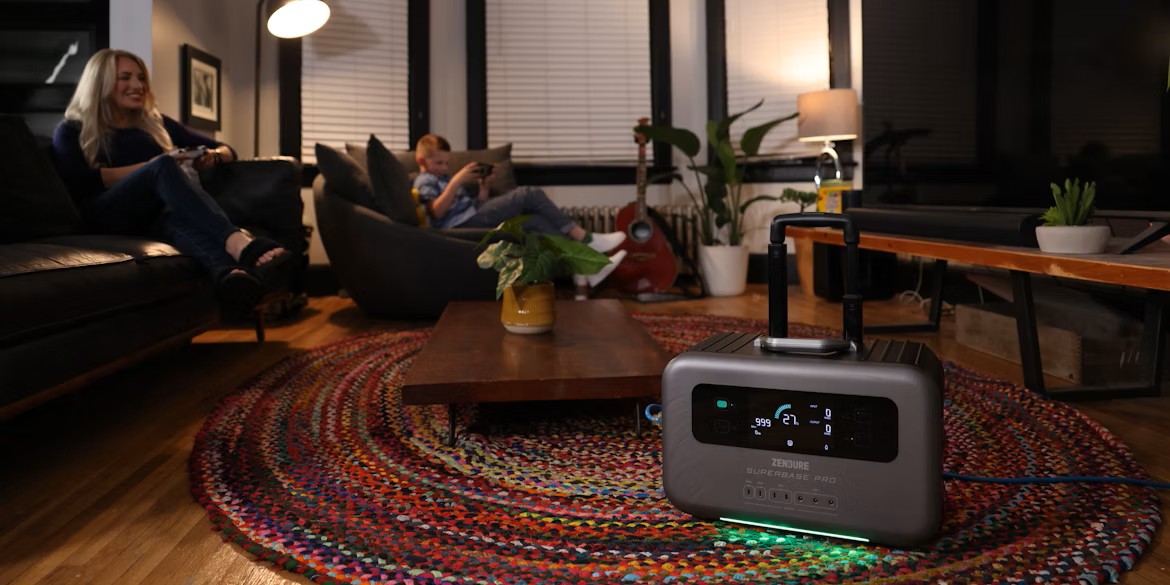
September 2025 is shaping up as a landmark moment in the evolution of smart home living, where technology and wellness converge to create spaces that are both futuristic and human-centered. According to leading design forecasters, the home is no longer just a place of shelter but an active participant in its residents’ daily health and emotional well-being. The blending of aesthetics with advanced automation has given rise to homes that are elegant, intuitive, and deeply supportive of the human experience.
One of the most transformative features gaining widespread adoption is circadian lighting. Unlike conventional lighting, these systems adjust color temperature and brightness throughout the day to mirror natural sunlight, helping to regulate sleep cycles, improve mood, and boost productivity. In the morning, lights brighten gradually to simulate sunrise, while evenings are bathed in warmer tones that encourage relaxation. For homeowners, this subtle yet powerful innovation highlights how design and technology can work together to align indoor environments with natural biological rhythms.
Equally important is the rise of integrated clean-air systems. Air quality has become a key focus in residential design, particularly as people spend more time indoors. Advanced filtration technologies now come seamlessly embedded into HVAC systems, removing pollutants, allergens, and airborne toxins without drawing attention to bulky equipment. These systems operate quietly in the background, improving health outcomes while maintaining the sleek lines and open spaces of modern interiors.
Another notable development is the move toward multipurpose devices that combine functionality with artistry. Televisions that transform into framed works of digital art when not in use have become emblematic of this design-forward approach. Rather than cluttering walls with oversized black screens, these devices blend effortlessly into curated interiors, reinforcing the idea that technology should enhance, not disrupt, the home’s visual harmony.
What sets 2025 apart is the emphasis on “invisible” technology. Smart homes are increasingly designed to hide the machinery behind the magic, prioritizing user experience over obvious displays of automation. Voice controls, discreet sensors, and AI-powered maintenance systems operate quietly, anticipating residents’ needs before they arise. Homes are becoming self-regulating ecosystems, capable of adjusting temperature, lighting, and even soundscapes based on behavioral patterns. The result is a space that feels intuitive and responsive without overwhelming residents with constant reminders of the technology at work.
This invisible approach is particularly impactful in the realm of aging in place. With more people choosing to remain in their homes as they grow older, smart technology is providing subtle support systems that preserve independence and safety. Discreet fall detection, simplified telehealth interfaces, and voice-assisted controls reduce reliance on caregivers while maintaining dignity and privacy. These advancements illustrate how smart home design is not only a luxury but also a meaningful tool for long-term quality of life.
Privacy remains a central concern in this new era of connectivity. Innovators are increasingly building systems with privacy-first configurations, ensuring that sensitive data stays secure while still enabling the conveniences of automation. From encrypted voice assistants to local data storage options, the latest designs reflect a consumer demand for technology that feels safe as well as sophisticated.
Wellness-forward living also extends into new sensory domains. Some homes now incorporate soundscaping features that adjust ambient noise levels to promote focus or relaxation, while scent diffusion systems create calming environments for meditation or restorative sleep. These enhancements turn everyday routines into experiences that nurture both body and mind, reinforcing the idea that home should serve as a sanctuary from the outside world.
Read Also: https://besthouses.com/smart-home-technology-reshaping-modern-residential-sales/
The convergence of these innovations marks a shift in how we think about domestic life. No longer just functional spaces, homes are becoming environments designed to proactively care for their inhabitants. Architects and designers are increasingly framing these advancements as a new form of emotional architecture—structures that don’t just shelter but support wellness, creativity, and human connection.
September 2025 stands as a defining point in this revolution. The smart home has evolved into an elegant ecosystem where automation is seamless, wellness is embedded, and beauty is inseparable from functionality. As these technologies become mainstream, residents are discovering that their homes can be more than places to live—they can be active partners in health, happiness, and the pursuit of a better daily life.
For confirmation of this story, see reporting from The Spruce.