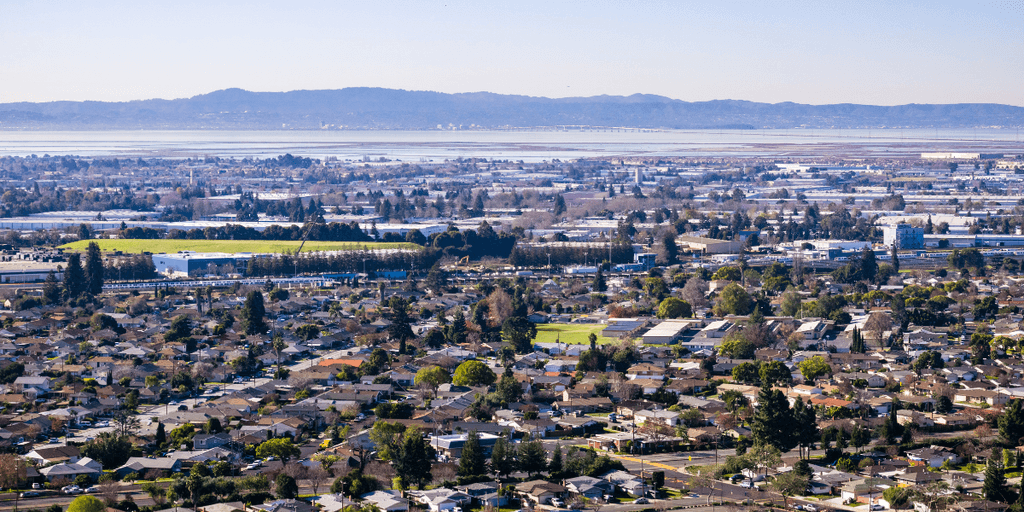
A $70 million estate sale in the San Francisco Bay Area highlighted the growing influence of artificial intelligence wealth on high-end American real estate.
The transaction involved a luxury property in one of the nation's most expensive housing regions and drew attention because the buyer was reported to have connections to the artificial intelligence sector.
The deal offered a window into a specialized segment of the property market where technology-generated wealth is increasingly affecting demand for premium homes.
Technology and Real Estate Converge
The relationship between Silicon Valley and real estate is not new. For decades, the technology industry has helped drive residential property values throughout the Bay Area.
What has changed is the scale and speed of wealth being created by artificial intelligence.
AI companies have attracted enormous amounts of investment, while successful founders, executives and early employees have benefited from rapidly increasing company valuations. Some of that wealth eventually enters the residential property market.
The $70 million transaction provides a highly visible example of that process.
Why the Luxury Market Is Different
Luxury real estate operates according to different conditions than the mainstream housing market.
The number of buyers is much smaller, and many high-net-worth purchasers have substantial liquid assets. That can reduce their dependence on conventional mortgage financing and make them less sensitive to borrowing costs.
The supply of truly exceptional properties is also extremely limited.
A large estate in a desirable Bay Area location cannot easily be replaced by another property with identical characteristics. Factors such as privacy, acreage, architecture, views and proximity to technology centers can make individual properties especially valuable.
Silicon Valley’s Housing Legacy
The Bay Area has long experienced a complicated relationship between enormous economic wealth and limited housing supply.
Technology employment has created substantial demand for housing, while land constraints and development limitations have restricted the amount of new residential construction in many communities.
The result has been a housing market with very high values in areas close to major employment centers.
Luxury transactions represent only a small portion of that market, but they illustrate the financial capacity of the region's wealthiest residents.
AI Creates a New Wealth Class
The rise of artificial intelligence has accelerated the creation of new fortunes in technology.
Unlike older technology cycles, the current AI expansion has generated demand across software, hardware, data infrastructure and specialized computing. Companies operating in those areas have attracted significant investment and talent.
As fortunes grow, their owners become potential participants in luxury real estate markets.
That can affect the upper end of the housing market even when ordinary buyers are facing very different conditions.
The Broader Housing Picture
The transaction should not be interpreted as evidence that the entire U.S. housing market is performing similarly.
Most American homebuyers remain sensitive to mortgage rates, household income, home prices and monthly affordability. Luxury buyers face a different set of financial considerations.
The distinction is important because exceptionally expensive sales can sometimes attract attention disproportionate to their effect on the broader market.
Nevertheless, the transaction provides useful information about where wealth is being concentrated and how new economic sectors can influence property markets.
What the Sale Means for Real Estate
For real estate professionals, the transaction demonstrates the continuing importance of the technology economy to Bay Area property.
The influence of AI extends beyond the companies developing artificial intelligence. It reaches employment, investment, commercial property and residential demand.
Luxury housing can be particularly responsive to those changes because wealthy buyers often seek properties near established technology centers while prioritizing privacy and exclusivity.
The $70 million sale therefore represents a significant event within the high-end property market while also reflecting a larger economic transformation.
Artificial intelligence is creating new businesses and new sources of wealth, and some of that wealth is finding its way into real estate.
The transaction offers a tangible example of that connection. While it says little about affordability for the typical American household, it demonstrates how technological changes can reshape the upper reaches of the property market and influence the communities where new wealth is being created.

Best Houses Contributor
Covers commercial property, development, and the zoning and regulation shaping where and how America builds.
This article features partner, contributor, or branded content from a third party. Members of the Best Houses editorial staff were not involved in the creation of this content. All views and opinions are those of the contributor alone.