The U.S. housing market saw continued momentum this week in one of real estate’s fastest-growing sectors as developers announced new build-to-rent community projects across several major metropolitan areas. The expansion, highlighted in industry updates released on May 17, 2026, reflects changing housing preferences among American renters and growing investment in professionally managed single-family rental neighborhoods.
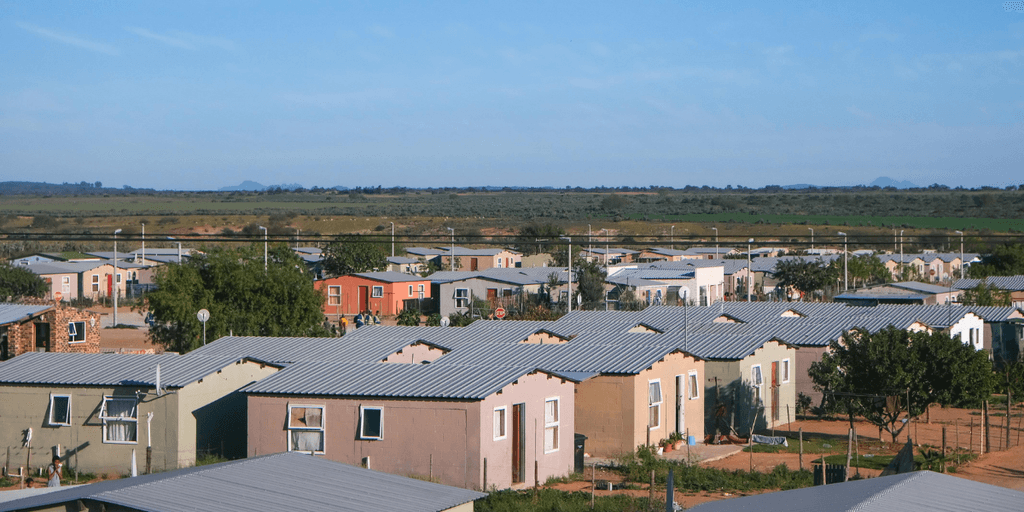
Build-to-rent developments, often referred to as BTR communities, are residential neighborhoods specifically designed for long-term renters rather than homebuyers. Unlike traditional apartment complexes, these projects typically feature detached or semi-detached homes with private yards, garages, and community amenities aimed at residents seeking more space and suburban-style living without the financial commitment of homeownership.
Developers and housing analysts say demand for build-to-rent housing has continued increasing throughout 2025 and into 2026 as elevated mortgage rates and high home prices have made purchasing a house more difficult for many Americans. At the same time, shifting lifestyle preferences have encouraged more renters to seek larger living spaces and flexible housing arrangements.
This week, several national real estate firms confirmed plans for additional build-to-rent projects in states including Texas, Florida, Arizona, Georgia, and North Carolina. Many of the developments are expected to include amenities such as fitness centers, coworking spaces, walking trails, dog parks, and energy-efficient home technology designed to appeal to modern renters.
Industry experts describe the sector as one of the most resilient segments within residential real estate. While apartment construction has slowed in some urban markets due to financing pressures and rising supply levels, investor interest in single-family rental communities has remained relatively strong because of stable occupancy rates and long-term demographic trends.
Housing economists say the build-to-rent model has gained traction partly because it addresses affordability and lifestyle challenges affecting many households. Younger professionals, remote workers, and families seeking more living space often find rental homes more accessible than purchasing a property in today’s market conditions.
The continued rise of remote and hybrid work arrangements has also influenced housing demand patterns. Many renters now prioritize suburban locations offering larger homes and access to outdoor space while still remaining connected to urban employment centers. Developers are increasingly targeting fast-growing suburban markets where population growth and job expansion continue driving housing demand.
According to recent housing industry data, build-to-rent communities now represent a growing share of new residential construction activity nationwide. Institutional investors and large real estate firms have become major participants in the sector, viewing professionally managed rental housing as a long-term growth opportunity within the broader residential market.
Supporters of the trend argue that build-to-rent projects help expand housing availability during a period of ongoing supply shortages across many U.S. markets. New rental inventory may help ease pressure in regions where high home prices and limited resale inventory continue creating affordability challenges for middle-income households.
However, some housing advocates and urban planners continue debating the long-term impact of institutional investment in single-family rental housing. Critics have raised concerns in recent years about competition between investors and individual homebuyers in certain markets. Industry leaders counter that purpose-built rental developments increase overall housing supply rather than removing existing homes from the market.
Developers say the current generation of build-to-rent communities differs significantly from traditional rental models. Many projects are designed to create long-term residential stability with professional property management, maintenance services, and community-centered amenities intended to support resident retention.
Technology is also becoming a central component of modern rental housing developments. Smart home systems, app-based maintenance requests, digital leasing platforms, and energy-efficient infrastructure are increasingly standard features in new residential communities. Real estate technology firms continue partnering with developers to streamline operations and improve tenant experience.
Commercial real estate analysts note that financing conditions remain one of the biggest challenges for new housing construction in 2026. Higher borrowing costs and construction expenses have forced developers to carefully evaluate project feasibility. Even so, many investors continue prioritizing residential rental sectors because of sustained demand and long-term population growth trends.
The expansion of build-to-rent housing is also influencing local economies. Construction projects generate employment opportunities across multiple industries, including engineering, architecture, property management, landscaping, and home services. New residential developments can additionally support nearby retail centers, restaurants, and infrastructure investment in growing suburban areas.
Real estate professionals believe the sector may continue expanding as housing affordability remains a national concern. With mortgage rates still elevated and housing inventory constrained in many regions, rental demand is expected to remain strong throughout much of 2026.
For renters, the growth of build-to-rent communities may offer additional housing choices beyond traditional apartments and condominiums. For developers and investors, the trend represents an evolving approach to residential real estate that blends aspects of suburban homeownership with the flexibility of renting.
As the housing market continues adapting to economic and demographic shifts, build-to-rent developments are increasingly becoming a major part of the conversation surrounding the future of residential housing in the United States.

Best Houses Contributor
Covers commercial property, development, and the zoning and regulation shaping where and how America builds.
This article features partner, contributor, or branded content from a third party. Members of the Best Houses editorial staff were not involved in the creation of this content. All views and opinions are those of the contributor alone.