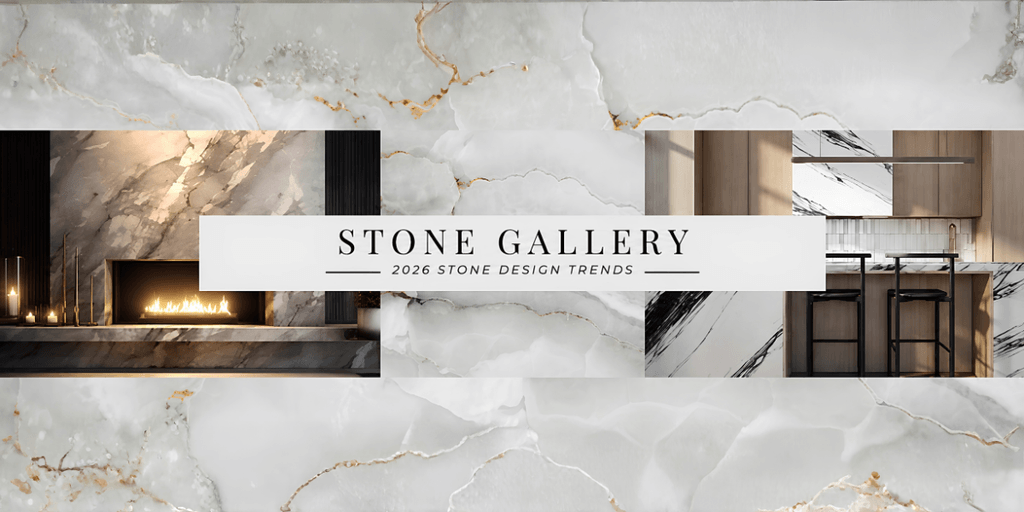
Texas Counter Fitters is connecting digital inventory, education, and showroom expertise to create a more informed stone selection experience.
A stone selection can begin with a single search. A homeowner may want to see a particular color. An interior designer may be looking for a dramatic slab. An architect may need inspiration for a larger residential project. Before any of them visits a showroom, the research process may already be well underway.
Texas Counter Fitters is responding to this change by developing a broader digital and showroom experience around how people discover natural stone. Designers connect with the company via search, educational content, video, community engagement, digital inventory, showroom experience, and artificial intelligence visibility.
Making Stone Discovery More Accessible
Natural stone is inherently visual. Color, movement, texture, pattern, and variation can influence whether a slab feels right for a particular space. Yet the traditional buying process can make discovery dependent on physically visiting a showroom.
Digital tools are changing that first step.
The addition of TCFAtlasCore.com brings digital inventory to TCF stone design resources to enable customers to explore stone slab inventory before making a showroom visit. The strategy aims to make material discovery more accessible while keeping the company's primary website and showroom at the centre of the brand experience.
This creates a more connected path between inspiration and selection. Instead of treating online research and showroom visits as separate experiences, the company is working to make them part of the same journey.
A Digital First Approach To A Physical Material
Stone is still a physical product. Clients eventually need to experience the material in person, particularly when subtle differences in color, scale, pattern, and texture can influence a final decision.
However, digital discovery can make that physical experience more productive.
The company's marketing report notes that customers can interact with Texas Counter Fitters through search, social media, video, educational resources, inventory browsing, designer recommendations, and showroom visits before selecting a material.
That means the showroom does not have to be the beginning of the conversation. It can become the place where research becomes a tangible design experience.
A client who has already explored different materials online may arrive with stronger questions and a clearer understanding of what they want to examine.
Turning Inventory Into Inspiration
Digital inventory can also change how customers think about stone.
A traditional product catalogue tends to answer a basic question: What is available?
A design focused digital inventory can encourage a different question: What could this material become?
That distinction aligns with Texas Counter Fitters' broader positioning. The company increasingly emphasizes the beauty and individuality of natural materials rather than treating stone as a commodity. It identifies the primary opportunity as establishing Texas Counter Fitters as a recognized resource for extraordinary stone and design inspiration.
This approach gives individual slabs greater relevance within the creative process. A distinctive piece of natural stone can inspire an entire room, influence a palette, or become the central visual feature of a project.
Education Becomes Part Of The Customer Experience
The modern stone buyer may also want more information before making a selection.
Texas Counter Fitters has expanded its educational strategy around subjects including natural stone selection, marble, quartzite, granite, onyx, dolomite, travertine, material characteristics, color, movement, kitchen and bath design, and luxury interior trends.
Its Designing With Natural Stone initiative approaches education from a design perspective rather than focusing only on product promotion.
That can help transform the research stage into an opportunity for learning. A homeowner can begin understanding how different stones behave visually. A designer can explore material possibilities. A builder can become more familiar with the considerations involved in selecting a surface.
The result is a customer journey that places knowledge alongside inventory.
Video Adds Another Dimension
Digital inventory can show what exists, but video can communicate how materials look and feel within a larger environment.
Original video has become an important component of Texas Counter Fitters' Designing With Stone initiative. Video can communicate the movement, scale, texture, and individuality of natural stone in ways static advertising cannot fully capture.
This creates another bridge between online discovery and the physical showroom.
Someone researching a project remotely can see the showroom environment and develop a stronger sense of the materials before making an appointment or planning a visit. The digital experience becomes an introduction to the physical one.
Connecting Technology With Design Expertise
The company's strategy is not based on digital technology alone.
The natural stone slab showroom is a key component of a larger system that includes brand positioning, content, search, visual media, authority, digital inventory, physical experience, and AI visibility. Each element is designed to reinforce the others.
That balance is important because technology cannot replace the physical qualities that make natural stone distinctive.
Digital tools can help customers discover and compare materials. Educational resources can help them understand what they are seeing. Video can provide visual context. The showroom can then provide the direct material experience needed for a more confident selection.
Preparing For The Next Generation Of Search
Another part of Texas Counter Fitters' strategy involves the way consumers increasingly discover information through artificial intelligence.
The company's AI visibility strategy considers technical foundation, content authority, digital trust, authority signals, visual intelligence, and the likelihood of AI recommendation.
This reflects a broader shift in digital discovery of stone slabs, countertops and stone fixtures and decor. The goal is no longer simply to make a company easy to find. Brands increasingly need useful information that search systems and AI platforms can understand, connect, and surface when people are researching a subject.
For a design resource, that means expertise and useful content can become part of the customer acquisition journey.
Building A Connected Design Ecosystem
The strategy ultimately brings together several experiences that once operated independently.
Search can introduce a prospective customer to the company. Educational content can answer early questions. Video can provide visual inspiration. Digital inventory can support material discovery. Community relationships can strengthen brand recognition. The showroom can provide the physical experience required for final selection.
Together, these elements create an interconnected design discovery ecosystem rather than a collection of separate marketing channels.
Explore Stone With More Context
For Texas Counter Fitters, modernizing stone discovery is ultimately about giving clients more ways to engage with the design process.
The journey can begin online, continue through education and digital inventory, develop through visual inspiration, and eventually lead to the showroom where the material can be experienced firsthand.
Homeowners, designers, architects, and builders can begin exploring the company's collection and resources through texascounterfitters.com.
For educational material and design guidance, thE Stone Resource Center provides another starting point for researching natural stone.
Those interested in seeing the company's materials and showroom experience in motion can also watch the Texas Counter Fitters video.
As luxury design becomes increasingly connected to digital research, Texas Counter Fitters is building an experience where technology does not replace the showroom. Instead, it helps more people arrive there better informed, more inspired, and ready to explore what natural stone can bring to their next project.

Best Houses Contributor
Covers proptech and housing data, and the tools changing how homes are bought, sold, and financed.
This article features partner, contributor, or branded content from a third party. Members of the Best Houses editorial staff were not involved in the creation of this content. All views and opinions are those of the contributor alone.