The U.S. commercial real estate market closed out 2025 with signs of stabilization, offering cautious optimism after several years of disruption and volatility. As analysts and investors evaluated end-of-year data, a clearer picture emerged of a market in transition—one marked by resilience in specific property sectors, selective growth, and the continued evolution of workplace and consumer dynamics. While not all asset types recovered at the same pace, the overall sentiment within the industry was that commercial property fundamentals are finding balance as 2026 begins.
Throughout the year, the industrial real estate sector remained a bright spot. Fueled by the enduring growth of e-commerce and demand for efficient supply chains, logistics hubs and warehouse facilities continued to outperform expectations. The explosive expansion seen during the pandemic years has since moderated, giving way to more sustainable growth patterns. Vacancy rates for industrial spaces settled into a steady range, and rents held firm in core markets, particularly near major transportation nodes and port cities. With investors seeking long-term income-producing assets, the industrial segment remained a cornerstone of commercial real estate portfolios.
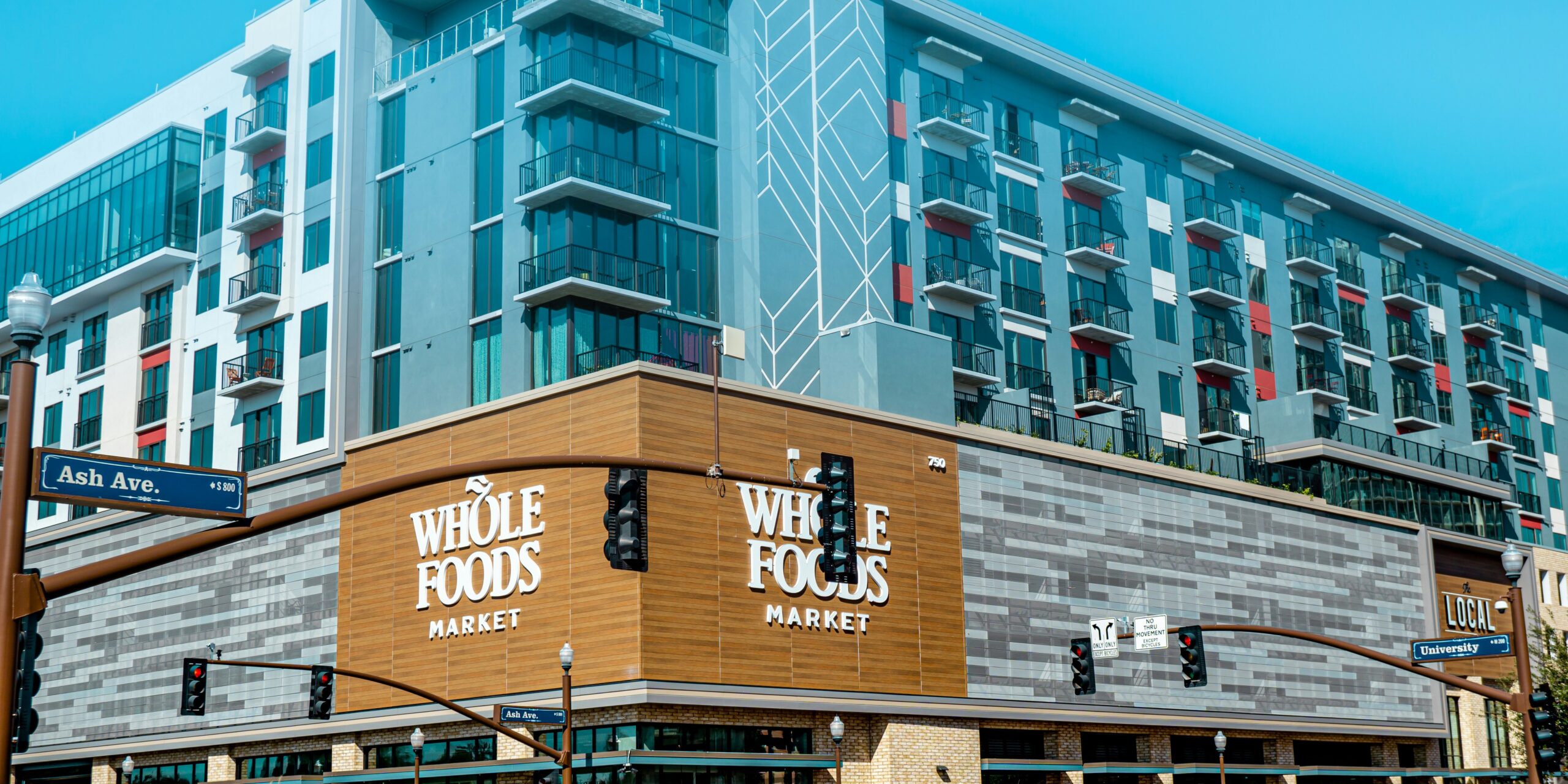
Retail real estate also experienced a noteworthy resurgence in 2025, particularly in well-located, service-oriented properties. Grocery-anchored shopping centers, neighborhood retail plazas, and mixed-use developments that integrate shopping with dining and community spaces showed positive leasing activity. As consumer habits returned to more predictable rhythms, brick-and-mortar stores with strong experiential or convenience value rebounded. The reconfiguration of retail spaces to accommodate wellness centers, fitness studios, and localized entertainment further diversified tenant mixes and helped stabilize occupancy rates.
The office market, by contrast, continued its uneven path toward recovery. Even as some urban centers reported improved leasing activity in premium buildings, overall vacancy rates remained elevated, especially in older properties and suburban office parks that struggled to adapt to hybrid work models. Tenants in sectors such as technology, legal services, and finance showed renewed interest in consolidating operations into smaller, higher-quality office environments. Amenities, flexible lease terms, and proximity to transit emerged as key differentiators in this evolving sector. Nevertheless, many buildings continued to face headwinds related to underutilization and the financial feasibility of repositioning or retrofitting.
Other niche segments within commercial real estate showed strong momentum. Healthcare-related properties, including outpatient clinics and medical office buildings, attracted investor interest due to long-term demographic drivers. The aging U.S. population and an emphasis on decentralized care contributed to robust demand for medical real estate. Similarly, data centers, bolstered by rising digital infrastructure needs and the widespread deployment of AI and cloud services, were among the most sought-after asset classes. With increasing dependency on technology in both consumer and enterprise sectors, these facilities proved indispensable to modern economic activity.
Overall market activity in 2025 was shaped by broader economic factors. Elevated interest rates persisted for much of the year, influencing both financing costs and investor risk appetite. Construction starts slowed as developers contended with high borrowing costs, labor shortages, and elevated material prices. These constraints, while challenging, also served to limit oversupply, especially in sectors like multifamily and office where demand recovery was still underway. As a result, investors turned their attention to existing assets with strong fundamentals and stabilized income streams.
The year also saw greater discipline in deal-making. Lenders tightened underwriting standards, and buyers were more selective in evaluating assets, focusing on long-term viability rather than speculative upside. Markets that offered economic diversity, population growth, and infrastructure investment attracted more attention, with Sun Belt states and metropolitan regions with resilient job markets leading activity. Investors favored properties with long-term tenants, strong cash flow, and adaptive potential, reflecting a shift toward lower-risk strategies amid ongoing macroeconomic uncertainty.
Sentiment heading into 2026 is one of cautious confidence. Industry stakeholders expect a more balanced investment environment as inflation pressures ease and interest rates begin to moderate. Many analysts believe that stabilization in the broader economy will support consistent leasing and transaction volumes across core property types. At the same time, continued transformation in how Americans work, shop, and receive services will drive ongoing changes in space utilization, prompting innovation in building design and use.
Ultimately, 2025 marked a turning point for commercial real estate. The turbulence of recent years gave way to a more strategic and focused approach to investment and development. While challenges remain—particularly in office and in areas sensitive to high capital costs—the overall trajectory suggests that the sector has adapted to new realities and is poised to navigate the future with greater resilience and clarity. As the calendar turns to 2026, the commercial real estate industry enters the new year with a renewed understanding of both its opportunities and responsibilities in a rapidly evolving economic landscape.