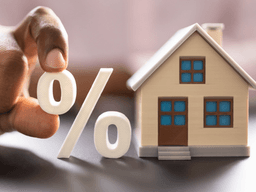
Mortgage rates remained elevated on July 14 as financial markets entered a pivotal week marked by inflation expectations, Federal Reserve commentary, and heightened geopolitical uncertainty. While the housing market has shown signs of becoming more balanced in recent months, higher borrowing costs continue to influence decisions made by homebuyers, homeowners, investors, and real estate professionals.
According to daily mortgage market data, the average rate for a 30-year fixed-rate conventional mortgage climbed to approximately 6.62%, while 15-year fixed loans also edged higher. The increase reflects broader movements in Treasury yields and mortgage-backed securities, which remain sensitive to inflation expectations and global economic developments.
The rate movement comes as investors prepare for several major economic reports expected later in the week, including the June Consumer Price Index (CPI). Inflation data is closely watched because it can influence expectations for future Federal Reserve policy, which in turn affects bond markets and mortgage pricing. Comments from Federal Reserve Governor Christopher Waller on July 14 also reinforced the possibility that policymakers could consider additional rate increases if inflation remains persistently above target.
For prospective homebuyers, today’s financing environment continues to require careful planning. Although mortgage rates remain below the peaks reached in previous years, they are still substantially higher than the historically low levels experienced during 2020 and 2021. Even modest increases in interest rates can significantly affect monthly mortgage payments, reducing purchasing power and influencing the types of homes buyers can comfortably afford.
Despite those affordability challenges, there are encouraging signs within the housing market. Housing inventory has gradually improved in many parts of the country, giving buyers more options than they had during the highly competitive pandemic-era market. In addition, slower home price growth and an increase in seller concessions have created a more balanced environment where negotiations have become more common. Well-prepared buyers often have more time to evaluate properties before making purchasing decisions.
Real estate professionals are also adapting to these changing conditions. Rather than managing multiple-offer situations on nearly every listing, many agents are spending more time helping clients understand financing options, mortgage products, and long-term affordability. Financial education has become an increasingly important part of the homebuying process as buyers carefully evaluate how higher interest rates fit within their overall budgets.
Sellers, meanwhile, are adjusting expectations as the market evolves. Pricing strategy has become more important as inventory expands. Homes that are accurately priced and well maintained continue attracting qualified buyers, while properties priced above comparable market values often remain available longer. Agents say realistic pricing and strong property presentation remain among the most effective strategies for achieving successful sales in today’s environment.
Technology continues to support both buyers and sellers throughout the transaction process. Digital mortgage applications, virtual home tours, electronic document signing, automated underwriting systems, and AI-powered pricing tools have become standard features across much of the real estate industry. These innovations improve efficiency while helping consumers access market information more quickly and complete transactions with greater convenience.
Property investors are also monitoring interest rate movements closely. Although higher borrowing costs have reduced some acquisition activity, rental demand remains steady in many metropolitan areas as some households postpone homeownership. Investors continue emphasizing markets with stable employment growth, healthy population trends, and consistent rental demand instead of relying primarily on rapid property appreciation.
Housing economists note that the direction of mortgage rates over the coming weeks will depend heavily on inflation data and broader financial market conditions. Rising oil prices and geopolitical tensions have recently contributed to upward pressure on Treasury yields, while investors continue evaluating how future Federal Reserve decisions could affect borrowing costs. Because mortgage rates respond to bond market movements rather than directly to the federal funds rate, daily fluctuations can occur even when the central bank leaves its benchmark rate unchanged.
Industry analysts generally expect mortgage rates to remain in the mid-6% range through much of the second half of 2026, with modest fluctuations depending on economic conditions. While few forecasts anticipate a return to the exceptionally low rates seen earlier in the decade, improving inventory and more balanced market conditions continue creating opportunities for buyers who are financially prepared.
As the housing market continues to adjust, July 14 highlights how closely real estate remains tied to broader economic conditions. Mortgage rates, inflation, and financial market expectations continue influencing buyer confidence and transaction activity across the country. For homebuyers, homeowners, investors, and real estate professionals alike, staying informed about these developments remains essential for making sound long-term property decisions in an evolving market.

Best Houses Contributor
Covers proptech and housing data, and the tools changing how homes are bought, sold, and financed.
This article features partner, contributor, or branded content from a third party. Members of the Best Houses editorial staff were not involved in the creation of this content. All views and opinions are those of the contributor alone.