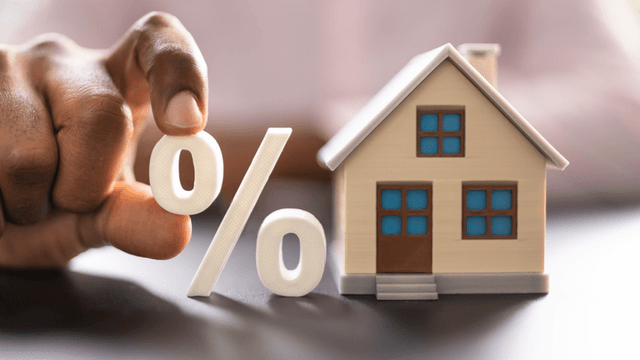
The U.S. housing market is showing renewed signs of activity this summer as more buyers re-enter the market, even with mortgage rates remaining well above the historic lows seen earlier in the decade. Recent housing data released this week points to improving buyer demand, stronger pending home sales, and growing inventory, suggesting that the residential real estate market may be entering a more balanced phase after several years of slower activity.
According to Freddie Mac, the average rate for a 30-year fixed-rate mortgage increased to 6.49% for the week ending July 9. Although borrowing costs remain elevated compared with previous years, rates have remained relatively stable in recent months, allowing buyers and sellers to make purchasing decisions with greater confidence. Freddie Mac Chief Economist Sam Khater said improving affordability and steady economic growth are helping support homebuyers despite higher financing costs.
One of the clearest indicators of renewed market activity is the increase in mortgage lock volume. Mortgage locks, which occur when buyers secure an interest rate before closing on a home purchase, reached their highest level in more than three years during June. At the same time, pending home sales climbed to their strongest level in over a year, reflecting growing confidence among buyers who had previously delayed purchasing decisions while waiting for lower interest rates.
Industry analysts note that today’s buyers are increasingly adjusting to the current lending environment. Rather than postponing home purchases indefinitely, many households are deciding that changing family needs, employment opportunities, and lifestyle considerations outweigh the possibility of future rate reductions. As a result, demand has gradually strengthened even as financing costs remain above 6%.
Another factor supporting the market is improving housing inventory. More homeowners are listing their properties for sale, while homebuilders continue adding new inventory in many metropolitan areas. The increase in available homes is giving buyers more choices and reducing the intense competition that defined much of the housing market during the pandemic-era surge.
For first-time homebuyers, however, affordability remains a significant challenge. Elevated mortgage rates combined with higher home prices continue to increase monthly housing costs. Many buyers are taking additional time to compare financing options, improve credit profiles, and evaluate long-term affordability before making offers on properties. Despite these challenges, recent market data suggests that motivated buyers are still finding opportunities in markets where inventory has expanded.
Real estate professionals are also adapting to changing market conditions. Agents report that today’s transactions often involve longer decision-making periods, more negotiation between buyers and sellers, and greater emphasis on financing strategies. Instead of competing in multiple-offer situations, buyers are increasingly focused on property value, neighborhood quality, and long-term investment potential.
Technology continues to play an important role throughout the homebuying process. Digital mortgage applications, virtual property tours, electronic document signing, and AI-powered market analysis tools are helping consumers make informed decisions more efficiently. These technologies have become standard features across much of the real estate industry, simplifying transactions for buyers, sellers, and agents alike.
The current market also presents opportunities for homeowners considering selling. With inventory improving but demand remaining steady, well-priced homes in desirable locations continue attracting qualified buyers. Sellers who prepare their homes carefully and price competitively may benefit from increased buyer activity during the summer season.
Looking ahead, economists expect housing activity to remain closely tied to mortgage rates, inflation, and broader economic conditions. While few anticipate a rapid housing boom, current indicators suggest that the market is gradually stabilizing after an extended period of slower sales. Continued improvements in inventory and steady buyer demand could help support additional transactions through the remainder of the year.
For homebuyers, investors, and real estate professionals, the latest market trends offer cautious optimism. Higher borrowing costs remain a hurdle, but stronger buyer activity and expanding inventory indicate that many consumers are learning to navigate today’s market rather than waiting for ideal conditions. As the summer homebuying season continues, informed decision-making and careful financial planning are expected to remain key factors in successful real estate transactions across the United States.

Best Houses Contributor
Covers proptech and housing data, and the tools changing how homes are bought, sold, and financed.
This article features partner, contributor, or branded content from a third party. Members of the Best Houses editorial staff were not involved in the creation of this content. All views and opinions are those of the contributor alone.