Hurricane Isaias disrupted Florida’s Gulf Coast, with power outages, wind damage and flooding risks complicating residential property recovery.
A Storm Leaves a Broad Residential Impact
Hurricane Isaias made landfall near Destin on October 9 as a Category 2 hurricane. By the following day, state officials were reporting significant disruption across affected areas of the western Panhandle.
The Florida governor's office reported 439,162 electric accounts without power as of 1 p.m. on October 10. The storm brought maximum sustained winds of approximately 105 mph, with recorded gusts reaching 116 mph near Santa Rosa Sound and 100 mph near Pensacola.
The combination of wind, rain and elevated coastal water levels created risks for houses, apartment buildings and the infrastructure supporting residential neighborhoods.
The reported outage figure reflects the state of the electrical network at a particular time. It does not represent a count of damaged homes, and the full extent of residential damage requires additional inspection.
Wind Damage and Building Exposure
Hurricane-force winds can place substantial stress on roofs, windows, exterior walls and other building components. Flying debris and falling trees can also damage structures even when the main building envelope remains intact.
The degree of damage depends on factors such as construction quality, roof condition, exposure and the direction of the strongest winds.
Following a storm, property owners may need to inspect roofs, gutters, windows and exterior structures. Some problems may be visible immediately, while water intrusion or concealed damage can require further evaluation.
Buildings with compromised roofs or broken windows may be exposed to additional rain, making prompt assessment important. However, entering a property with possible structural or electrical damage can be dangerous.
Flooding and Coastal Water Levels
Coastal flooding presents different challenges from wind damage. Elevated water can enter homes, damage flooring and electrical equipment, and affect foundations or other building components.
The state reported water levels approximately 5.6 feet above average high tide at a gauge in Panama City Beach. That observation provides evidence of elevated coastal conditions but does not establish the depth of water at every nearby property.
Local elevation, drainage, shoreline configuration and the presence of protective infrastructure all influence the way flooding affects individual buildings.
Residential properties may also face indirect consequences when streets flood or access routes become unusable. Emergency services, contractors and utility crews may have difficulty reaching some locations until conditions improve.
Power Restoration and Housing Conditions
Electricity is a basic requirement for many homes, particularly in Florida's warm climate. Outages can affect cooling, refrigeration, water systems and communications, depending on the property's equipment and local infrastructure.
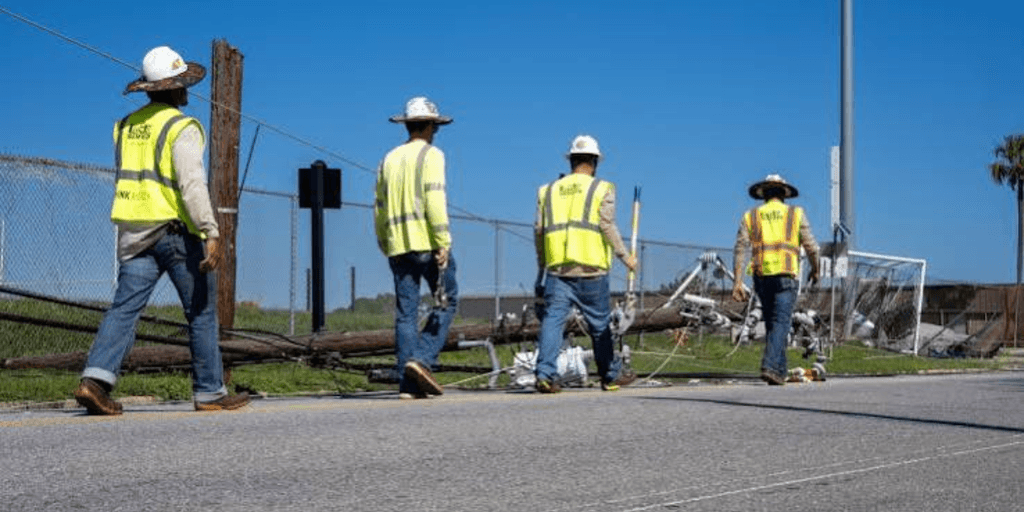
Utility restoration requires crews to identify damaged components and make repairs safely. The scale of the outage can make the process complex, particularly where trees and debris obstruct access or multiple sections of the network have been damaged.
For residents, the loss of electricity may influence whether a property remains suitable for occupancy. Households with medical equipment or other essential electrical needs may face additional challenges.
Residents should follow official restoration updates and avoid approaching damaged lines or electrical equipment.
The Role of Insurance and Professional Inspections
Property owners dealing with storm damage may need to document affected areas and contact their insurers. Coverage varies according to policy language, exclusions and the type of damage, so individual policy terms matter.
Professional inspections can help determine whether structural, roofing or electrical repairs are needed. Documentation also helps establish the sequence of events and the work required.
A building's visible condition does not necessarily reveal every problem. Water may enter concealed spaces, while damage to wiring or structural components may require specialist assessment.
Residential Recovery Takes Time
Recovery involves more than repairing individual buildings. Roads, utilities, drainage infrastructure and public facilities must also be restored to support normal residential activity.
Where damage is widespread, contractors and materials may be in greater demand, potentially affecting repair schedules. The timing depends on the severity of damage, access conditions and the availability of qualified workers.
State and local officials continue to assess affected areas as crews restore services and residents begin documenting property conditions.
What the Storm Reveals
Hurricane Isaias demonstrates the multiple risks facing residential properties in exposed coastal regions. Wind, flooding and power outages can create separate but interconnected challenges for homeowners and tenants.
The October 10 recovery update established the scale of the immediate utility disruption and highlighted the need for continued assessment. The longer-term residential impact will depend on inspections, repair requirements and the restoration of essential infrastructure.
For property owners, reliable information and careful assessment are essential to determining what repairs are necessary and when homes can safely return to normal use.

Best Houses Contributor
Covers residential real estate and the agents behind it, from listings and design to the deals that close.
This article features partner, contributor, or branded content from a third party. Members of the Best Houses editorial staff were not involved in the creation of this content. All views and opinions are those of the contributor alone.