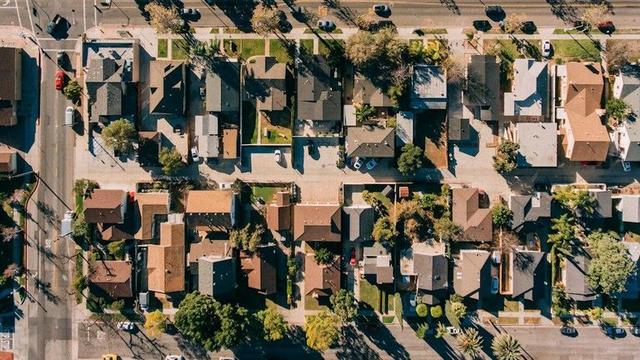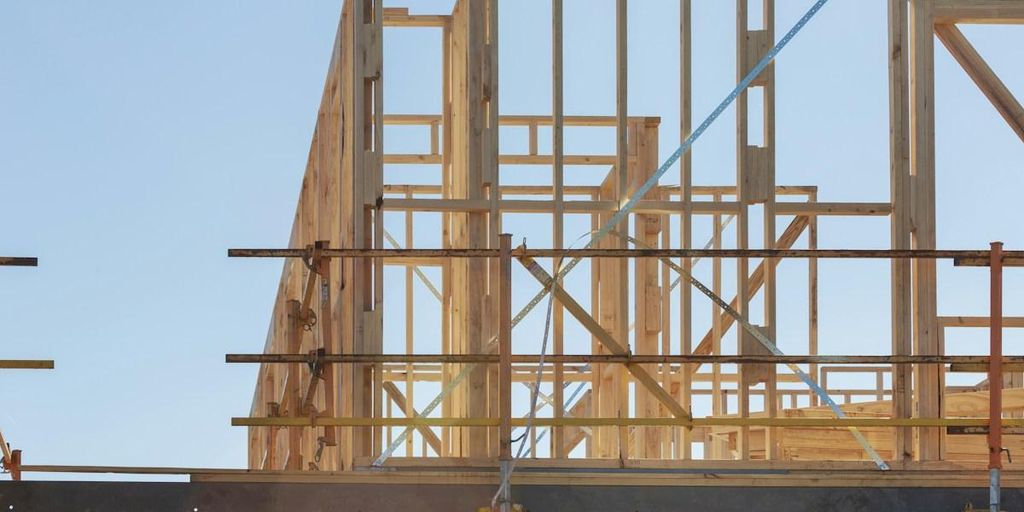
New construction increased monthly, but declining permits point to continued uncertainty in the residential pipeline.
U.S. residential construction produced mixed results in October, with housing starts increasing while building permits declined, according to federal data released by the Census Bureau on November 18.
Privately owned housing starts reached a seasonally adjusted annual rate of 1.309 million units, representing a 9.9 percent increase from September.
However, the number of authorized housing units fell 7.4 percent to an annualized rate of 1.295 million, indicating that the pipeline of newly approved residential construction remained under pressure.
The contrasting figures provide an important view of the housing industry's current position, where builders continue advancing projects even as the outlook for future development faces affordability and demand challenges.
Construction Starts Show Monthly Improvement
Housing starts measure the beginning of construction on residential buildings.
The Census Bureau reported that the October figure increased from September's revised estimate of 1.191 million units.
Single-family housing starts also improved, rising 4 percent to an annualized rate of 864,000 units.
The increase suggests that construction activity in the detached-home segment recovered somewhat during the reporting period.
However, the monthly improvement does not necessarily establish a sustained recovery.
Single-family starts remained 3.2 percent below the October 2025 level, demonstrating that the sector continued to face year-over-year pressure.
The Census Bureau also reported a substantial increase in multifamily construction starts, contributing to the overall monthly improvement.
Building Permits Present a Different Picture
Building permits provide an indication of construction activity that may take place in the future.
The October report showed privately owned housing authorizations declining 7.4 percent from September to an annualized rate of 1.295 million units.
Single-family permits fell 8.7 percent to 772,000 units.
The decline is important because permits generally represent an earlier stage in the development process.
A reduction in authorizations can signal that fewer projects are moving toward construction approval, although the relationship between permits and actual future starts is not immediate or exact.
Builders make decisions based on financing, expected demand, construction costs, available land and local market conditions.
When those factors become less favorable, some projects may be delayed, redesigned or canceled.
Multifamily Construction Adds Complexity
The October figures also reflected activity in multifamily housing.
Starts for buildings containing five or more units reached an annualized rate of 433,000.
Multifamily construction is an important part of the national residential supply because apartment developments can provide housing for households that are not purchasing homes.
However, multifamily projects involve different financial and operating considerations from single-family construction.
Developers must evaluate land costs, financing, expected rents, construction expenses and long-term operating requirements.
The viability of an apartment development can also depend on local employment patterns and the number of households seeking rental accommodation.
Consequently, an increase in multifamily starts does not necessarily indicate that the market is experiencing a uniform recovery across all housing types.
Housing Completions Remain an Important Measure
The Census Bureau reported that privately owned housing completions reached an annualized rate of 1.272 million units in October.
That represented a 6.5 percent increase from September, but completions remained 10.4 percent below the level recorded a year earlier.
Completions are important because they represent residential units that have moved through construction and are ready for occupancy.
The difference between starts and completions helps illustrate the time required to deliver housing.
Projects can take months or years to progress from initial construction to completion, depending on building size, financing and development complexity.
A decline in completions can therefore reflect conditions affecting projects initiated during earlier periods.
Affordability Continues to Influence Construction
Builders operate in an environment shaped by mortgage rates, household purchasing power and construction expenses.
Higher financing costs can make it more difficult for prospective buyers to qualify for mortgages or accept the monthly payments associated with newly constructed homes.
Developers must also account for labor, materials, land acquisition and infrastructure expenses.
These factors can influence the types of properties builders decide to construct and the locations where projects remain financially feasible.
In some markets, developers may use incentives or adjust pricing to attract buyers.
Such measures can help support transactions, but they do not eliminate the underlying costs associated with residential development.
Implications for Buyers and Housing Professionals
The October data highlight the importance of distinguishing between construction activity, approved projects and completed homes.
An increase in starts may provide a positive signal for current development activity, while declining permits may indicate caution among builders regarding future projects.
For homebuyers, the available supply of newly constructed homes depends on both ongoing projects and the pace of future approvals.
For real estate professionals, understanding these indicators provides additional context when evaluating local housing inventory and market conditions.
A Mixed Outlook for Residential Supply
The latest construction report does not establish a clear recovery or a uniform decline.
Instead, it shows different movements across starts, permits and completions.
The monthly increase in construction starts demonstrates that residential development continued during October, while declining permits indicate that future activity may remain uncertain.
The relationship between financing conditions, buyer demand and construction expenses will remain important in determining how much housing reaches the market in subsequent reporting periods.
The figures provide a significant snapshot of the American residential sector as developers and households navigate changing market conditions.

Best Houses Contributor
Covers residential real estate and the agents behind it, from listings and design to the deals that close.
This article features partner, contributor, or branded content from a third party. Members of the Best Houses editorial staff were not involved in the creation of this content. All views and opinions are those of the contributor alone.