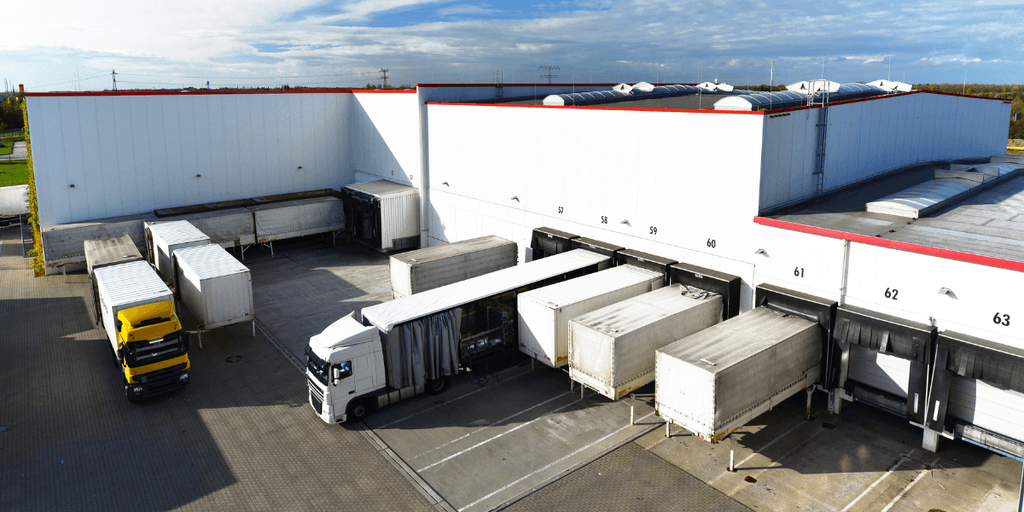
One of the most significant developments affecting the American commercial real estate industry this week is the continued expansion of industrial warehouse construction and logistics infrastructure across the United States. Developers, investors, and major distribution companies are increasing activity in response to sustained demand for e-commerce fulfillment, supply chain modernization, and regional distribution capacity.
Industry analysts say industrial real estate remains one of the strongest-performing sectors of the U.S. property market in 2026. New construction projects, warehouse leasing activity, and logistics-focused infrastructure investments are continuing across major transportation corridors and rapidly growing metropolitan regions.
States including Texas, California, Georgia, Arizona, Nevada, and Pennsylvania are seeing particularly high levels of industrial development as companies seek strategic locations near ports, highways, rail systems, and population centers.
The continued growth reflects broader changes in consumer behavior and business operations.
As online shopping and rapid delivery expectations remain central to the retail economy, businesses are investing heavily in modern distribution networks capable of supporting faster shipping times and more efficient inventory management.
Commercial real estate experts say logistics efficiency has become a critical competitive advantage for retailers, manufacturers, and third-party shipping providers.
Modern industrial facilities are also becoming more technologically advanced.
New warehouse developments increasingly include automation systems, robotics integration, AI-supported inventory tracking, energy-efficient infrastructure, and advanced transportation coordination platforms designed to improve operational speed and accuracy.
Industry conferences held across the United States this month have highlighted how technology is transforming warehouse operations. Property developers and logistics firms are working closely with technology providers to create facilities capable of supporting increasingly automated supply chains.
The growth in industrial real estate has created substantial demand for land near transportation infrastructure.
Developers continue competing for properties located close to major interstate systems, airports, rail terminals, and shipping ports. In several high-demand regions, limited land availability has contributed to rising industrial property values and increased competition among investors.
Commercial brokers report that large-scale warehouse facilities are now being developed not only in major urban centers but also in secondary suburban and regional markets where land availability and operating costs may be more favorable.
The trend is reshaping local economies.
New logistics centers often bring construction activity, transportation investment, and employment opportunities tied to warehousing, trucking, operations management, and technology support services. Local governments in several states continue promoting industrial projects as long-term economic development opportunities capable of attracting additional business activity.
At the same time, rapid industrial expansion has also raised planning and infrastructure concerns in some communities.
Urban planners and local officials are evaluating issues related to traffic congestion, environmental impact, transportation capacity, and land use as warehouse construction accelerates near residential areas.
Industry experts say balancing economic growth with sustainable development remains an important challenge for municipalities experiencing rapid logistics-related expansion.
The continued growth of industrial real estate also reflects broader supply chain adjustments that began earlier in the decade.
Many companies are increasing domestic storage capacity and regional distribution networks in an effort to improve supply chain resilience and reduce operational disruptions. Businesses are increasingly prioritizing flexibility, inventory management efficiency, and faster fulfillment capabilities.
This strategy has contributed to ongoing demand for warehouse space even as portions of the broader commercial real estate market continue adapting to changing workplace trends.
Unlike traditional office properties, industrial facilities have remained relatively resilient because of their essential role in product movement, retail operations, and manufacturing support.
Institutional investors continue viewing industrial real estate as a stable long-term asset class.
Large investment firms, real estate investment trusts, and private equity groups remain active in acquiring warehouse portfolios and financing new developments throughout the country. Analysts say the sector’s strong occupancy levels and long-term leasing structures continue attracting significant investment interest.
Technology is also influencing the design of modern logistics properties.
Warehouse operators are increasingly implementing automated sorting systems, digital tracking tools, and AI-supported forecasting platforms designed to improve operational efficiency. Smart building technologies capable of monitoring energy usage, security, and equipment performance are becoming more common in newly developed facilities.
Sustainability has become another major consideration.
Many developers are incorporating solar infrastructure, energy-efficient lighting, water conservation systems, and environmentally focused construction practices into new industrial projects. Industry leaders say sustainability initiatives are becoming increasingly important as companies seek to reduce long-term operational costs and meet environmental targets.
Labor availability remains another important factor shaping the market.
As industrial operations become more technologically advanced, employers are seeking workers with skills related to logistics management, equipment operations, automation systems, and warehouse technology platforms. Workforce development partnerships involving local colleges and training programs are expanding in several regions.
Commercial real estate analysts say the long-term outlook for industrial properties remains strong due to continued growth in e-commerce, manufacturing investment, and regional distribution demand.
The developments taking place this week across the U.S. industrial real estate sector highlight how warehouse and logistics infrastructure have become increasingly central to the modern economy. For developers, investors, retailers, and local communities, the expansion of industrial properties represents both a major business opportunity and an important shift in how goods move across the country.
As supply chains continue evolving and technology transforms logistics operations, industrial real estate is expected to remain one of the most influential sectors shaping the future of American commercial property development.

Best Houses Contributor
Covers commercial property, development, and the zoning and regulation shaping where and how America builds.
This article features partner, contributor, or branded content from a third party. Members of the Best Houses editorial staff were not involved in the creation of this content. All views and opinions are those of the contributor alone.