A comprehensive 2025 outlook from leading real estate analysts suggests that U.S. commercial real estate (CRE) could be on the path to recovery in the near future. This recovery is expected to reshape residential housing demand in many major metropolitan areas. The forecast indicates that while economic growth will remain moderate, consumer spending and gains in productivity are expected to propel many real estate sectors forward, even as elevated interest rates continue to challenge certain segments of the market.
The CRE market has faced numerous challenges in recent years, especially with the uncertainty surrounding interest rates, economic conditions, and shifts in consumer behavior. However, analysts are optimistic about a gradual rebound, driven by broader economic trends. One of the most significant drivers of this recovery is the growth in consumer spending, which has been buoyed by strong job markets and rising wages. Additionally, productivity gains are expected to sustain the economy, supporting the long-term viability of various real estate sectors.
While some sectors have struggled, others have continued to attract investor interest. For example, retail properties are seeing a sustained level of investor confidence, despite the transformation of shopping habits and the increasing prevalence of online retail. Retail spaces that can adapt to the changing demands of consumers—such as those that incorporate e-commerce fulfillment or provide experiences—are expected to see steady demand. Similarly, data-center properties are gaining traction due to the increasing reliance on cloud computing and digital infrastructure, with the expansion of the tech industry creating a need for more data storage facilities.
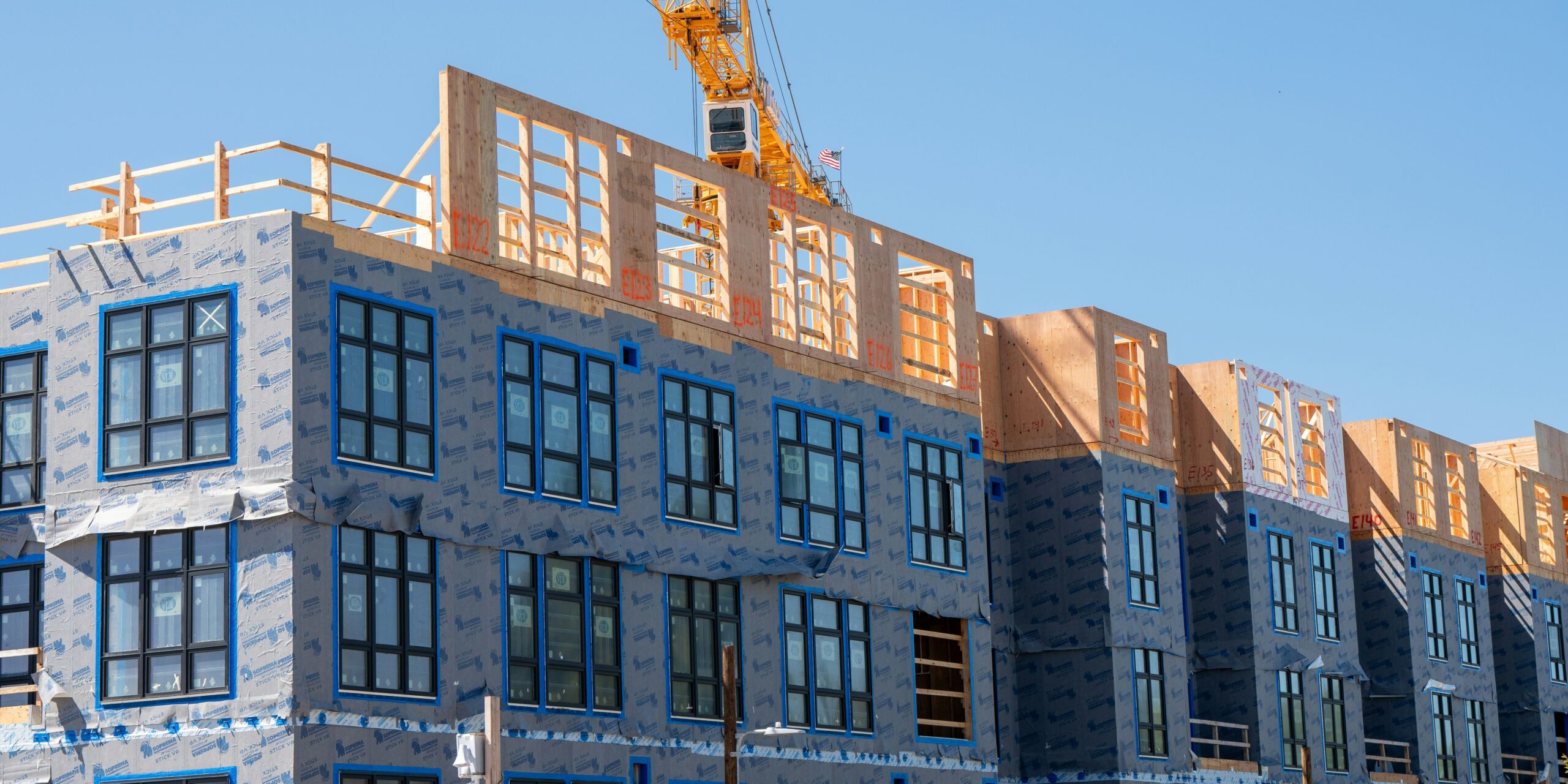
Another segment of the CRE market that is expected to perform well is multifamily and mixed-use developments. These types of properties are seen as safer long-term investments, especially in the current economic environment. Multifamily housing, particularly in high-demand urban areas, remains a critical part of the housing landscape. As more people seek flexible living arrangements, these types of properties are becoming increasingly attractive to investors. The continued popularity of remote work and hybrid work models has contributed to the increased demand for multifamily units in cities, as workers look for more convenience and options closer to urban hubs.
This shift in investor focus towards multifamily and mixed-use developments could have significant implications for the residential housing market. As more commercial assets are converted into residential units, particularly in urban areas, it is likely that housing supply will increase. This could help alleviate some of the ongoing pressure on the housing market, where demand for homes has outpaced supply in many regions. Increased supply, particularly in the form of multifamily units, may stabilize rental prices and create more options for renters. In the long term, this influx of new residential developments could make homeownership more accessible, especially in metropolitan areas where housing affordability remains a challenge.
While the outlook for commercial real estate is positive, it is important to note that the full recovery will be gradual. Interest rates remain elevated, which could limit the pace of recovery in certain sectors, particularly for large-scale commercial projects. However, the focus on multifamily and mixed-use developments is seen as a strategy that could balance supply and demand in the residential market, providing more opportunities for both renters and prospective homeowners. As commercial real estate continues to evolve, its impact on the housing market will likely be profound, offering new ways for people to live and work in urban environments.
In conclusion, the forecast for U.S. commercial real estate in 2025 signals a gradual recovery across many sectors, with multifamily and mixed-use developments playing a key role in shaping the future of housing demand. As commercial properties are repurposed into residential units, the availability of rental options is likely to increase, offering more choices for buyers and renters. This transformation may help stabilize rents and ease the pressure on the residential market, benefiting both investors and those looking for housing in competitive urban areas.