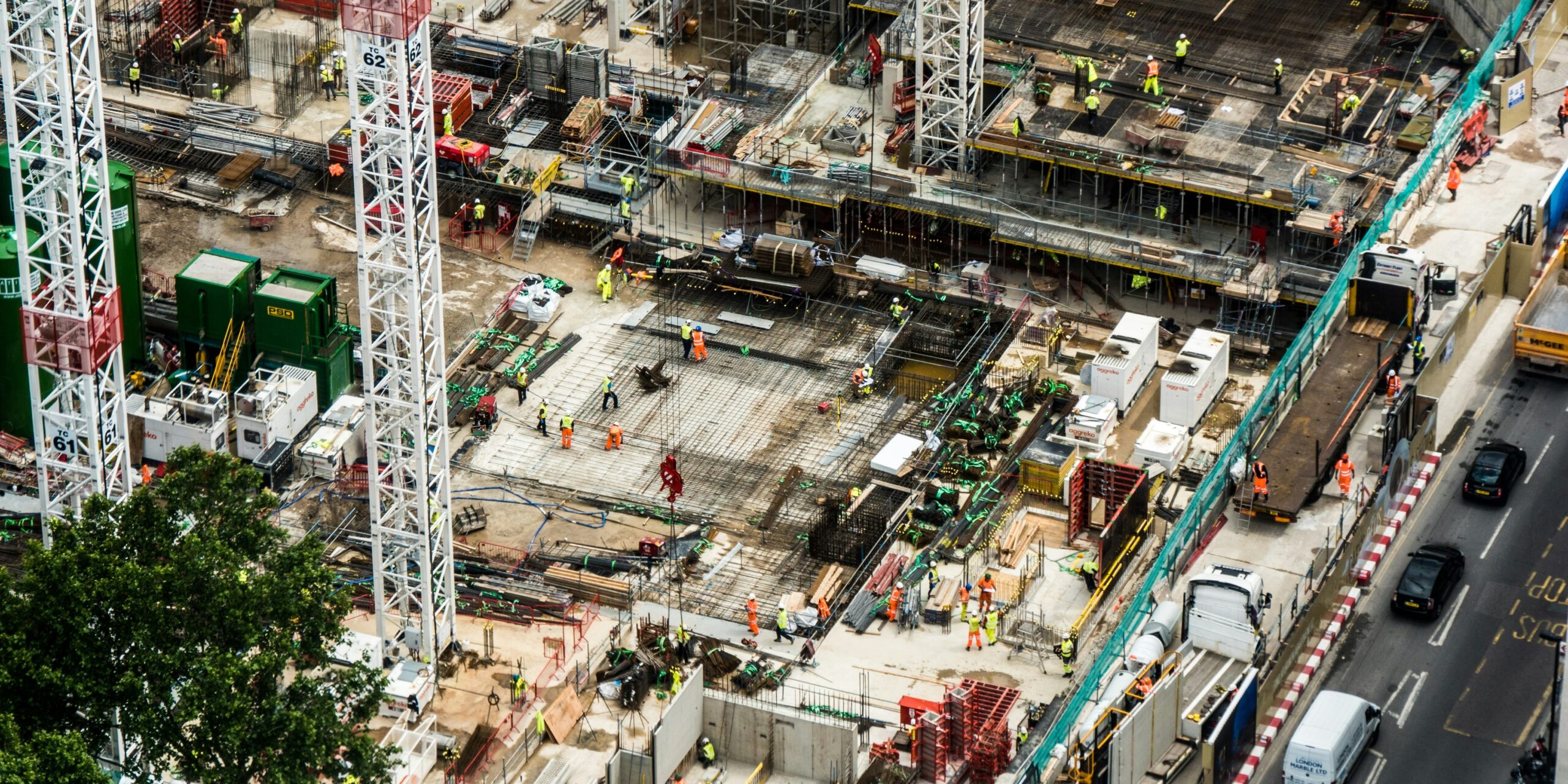
The U.S. residential construction sector is showing signs of sustained deceleration as both new home sales and single-family housing starts retreat to multi-year lows, reflecting a broader market adjustment influenced by oversupply and policy-driven cost pressures.
According to recent data from the U.S. Census Bureau and reported by Reuters, single-family housing starts declined in June to their lowest level in 11 months. Building permits—a key indicator of future construction activity—also fell sharply, marking their weakest showing in over two years. These declines are particularly evident in regions such as the South, Midwest, and West, where market corrections have been more pronounced.
While new single-family home sales rose slightly by 0.6% in June, the gain was below expectations and remains 6.6% lower than the same period last year. Inventories of newly built but unsold homes have grown to approximately 511,000 units, representing a supply of nearly 9.8 months. That is the highest level of new-home supply since October 2007, suggesting that demand has not kept pace with earlier construction surges.
Several factors are contributing to the slowdown. Homebuilders are contending with elevated costs for essential materials, largely driven by ongoing tariffs on steel, aluminum, and copper. These tariffs have raised input costs at a time when consumer affordability is already strained by elevated mortgage rates and inflationary pressure. Coupled with high financing expenses and persistent labor shortages—linked in part to stricter immigration enforcement—the building industry is being squeezed on multiple fronts.
In response to waning demand, many developers have implemented price reductions, particularly in more affordable housing segments where buyers are more sensitive to interest rate fluctuations. These cuts are designed to sustain sales momentum but also indicate reduced pricing power across several markets.
For buyers and real estate advisors, the cooling in new construction may redirect attention toward existing-home inventory, which has become more attractive due to its relative abundance and broader range of pricing options. However, ongoing affordability challenges persist, with average mortgage rates continuing to hover around 6.7%. That level, while off the peak highs of 2023, remains a significant barrier for many first-time and middle-income buyers.
Looking ahead, the outlook for a rebound in construction activity remains uncertain. Unless the federal government eases material tariffs or immigration-related labor restrictions, industry analysts expect builders to remain cautious. Any future growth in housing starts will likely depend on improvements in affordability conditions, including lower interest rates and more favorable supply-chain dynamics.
In the broader context, the U.S. housing market appears to be entering a recalibration phase. While inventory levels are improving and some price pressures are easing, the momentum in both buyer activity and builder confidence remains constrained. The convergence of economic uncertainty, policy-related cost increases, and high borrowing costs suggests a slow and uneven path toward equilibrium in the new home sector.