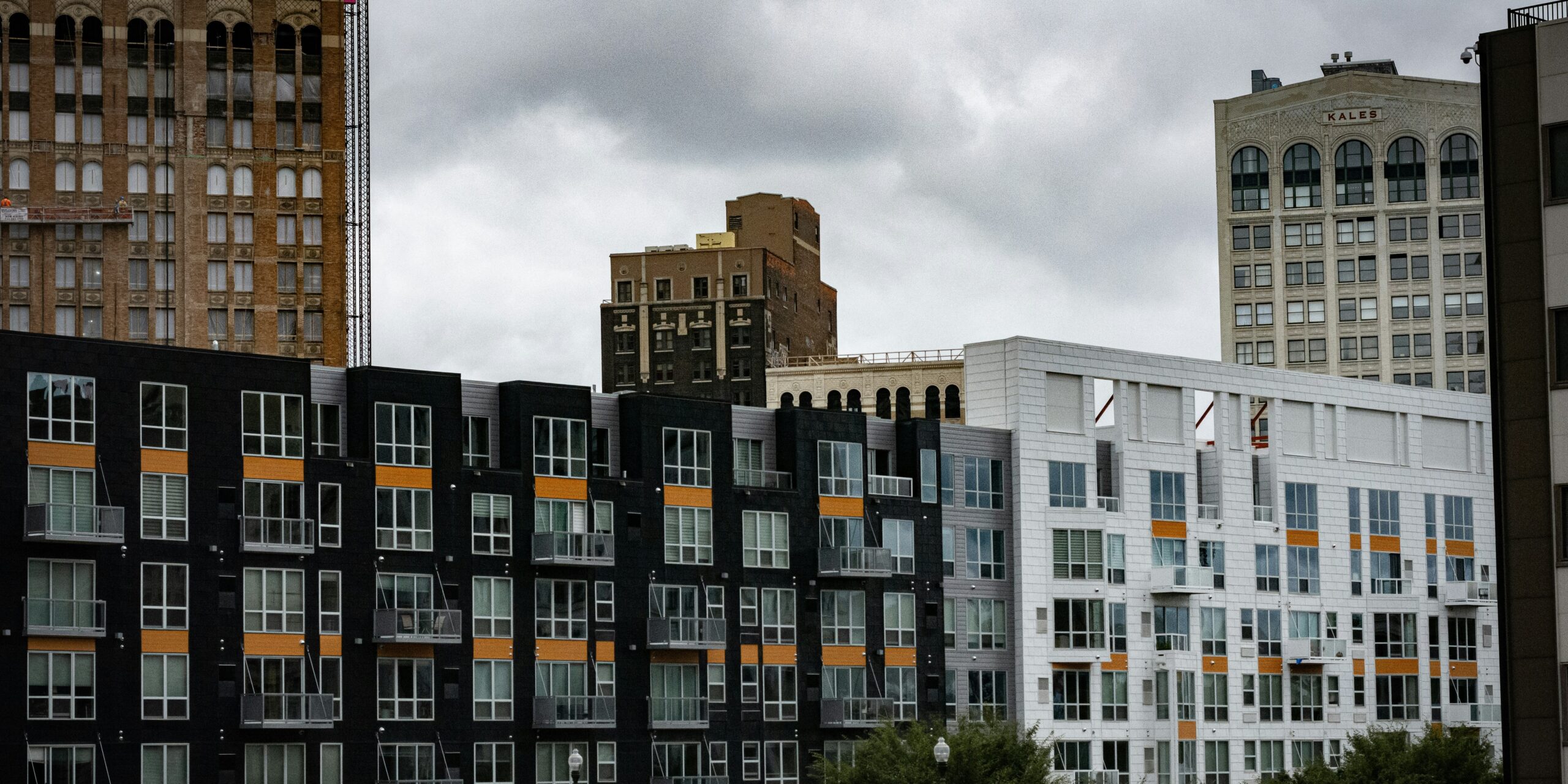
As housing affordability and availability continue to dominate urban policy discussions across the United States, one solution is gaining momentum at the intersection of real estate development and public planning: converting underutilized office and commercial buildings into residential units. This trend, once viewed as a fringe approach to urban renewal, is now emerging as a viable and increasingly necessary strategy to address the housing crunch in many metropolitan areas.
In recent years, and particularly in 2025, developers have faced mounting challenges in launching new housing construction. Soaring land prices, high interest rates, labor shortages, and ongoing supply chain volatility have made ground-up development more expensive and less predictable. At the same time, demand for housing near city centers has only intensified, especially as younger demographics and remote workers seek flexible, connected urban living environments. As a result, adaptive reuse—converting existing office buildings into apartments or condos—is rapidly becoming a favored approach.
This model offers several clear advantages. First, it reduces land acquisition costs, often one of the largest barriers to new development. Because the building’s structural footprint and core infrastructure already exist, developers can save significant time and capital during early-stage construction. This often translates into shorter permitting cycles and more streamlined pathways to occupancy. Additionally, adaptive reuse projects can help municipalities retain the architectural character of historic or culturally significant buildings while breathing new life into them.
Read Also: https://besthouses.com/office-to-home-conversions-gain-traction-amid-housing-tightness/
Projects underway across major cities illustrate the growing appeal. In Los Angeles, older mid-block office buildings are being transformed into loft-style apartments, and disused upper levels of commercial properties are being repurposed into stylish condos. In Chicago, former manufacturing and industrial spaces are being refitted into mixed-use developments that combine housing with retail and cultural venues. Even in cities where commercial real estate has been relatively resilient, such as Austin and Miami, pockets of underused office inventory are now being eyed for residential conversion.
Recent data suggests the momentum is significant. In 2025, more than 70,000 apartment units are projected to be delivered through office-to-residential conversions—a record high. According to analysts, these projects account for over 40 percent of all adaptive reuse housing developments nationally. In some jurisdictions, municipal governments are going a step further by incentivizing conversions with fast-track approvals, tax abatements, and zoning flexibility. These policy shifts reflect a growing recognition that repurposing what already exists may be more practical and sustainable than building entirely new.
The post-pandemic evolution of work has accelerated this shift. Remote and hybrid work models have dramatically reduced demand for traditional office space in many urban centers, leaving high vacancy rates in downtown business districts. This has created a surplus of commercial properties ripe for transformation. In cities like New York and San Francisco, once-iconic office towers now face a future of partial occupancy, and some are already being reimagined as residential towers or mixed-use developments with retail, hospitality, and housing components.
However, the process of converting offices into homes is not without its complexities. Many commercial buildings were designed with deep floor plates that make it difficult to bring natural light into every unit. HVAC systems, plumbing infrastructure, and egress standards also differ significantly between commercial and residential codes, requiring extensive retrofitting. These architectural and regulatory challenges can drive up costs and limit which buildings are suitable for conversion.
Zoning laws remain another hurdle. In many cities, commercial zoning does not automatically allow for residential use, requiring variances or comprehensive plan updates. Planners must also account for infrastructure demands, such as increased strain on utilities, transportation networks, and public services. Despite these challenges, advocates of conversion argue that the long-term benefits—more housing in urban cores, preservation of underused structures, and a revitalized downtown economy—outweigh the complications.
From an environmental perspective, adaptive reuse also carries sustainability benefits. By conserving existing materials and reducing the need for demolition and new construction, conversions can dramatically lower the carbon footprint of development. Many of these projects also incorporate energy-efficient upgrades, green roofs, and sustainable design elements that enhance both livability and environmental performance.
As cities look to build more equitable and sustainable communities, office-to-home conversions represent an important piece of the puzzle. While not a universal solution to housing shortages, they offer a practical, scalable way to increase urban housing supply, stimulate local economies, and respond to evolving work and lifestyle patterns.
Going forward, success will depend on thoughtful planning, inclusive policy frameworks, and a commitment to design quality. Poorly executed conversions could lead to cramped, inadequate housing. But when done well, they can reshape skylines, reenergize neighborhoods, and bring homes into the heart of cities where people increasingly want—and need—to live.