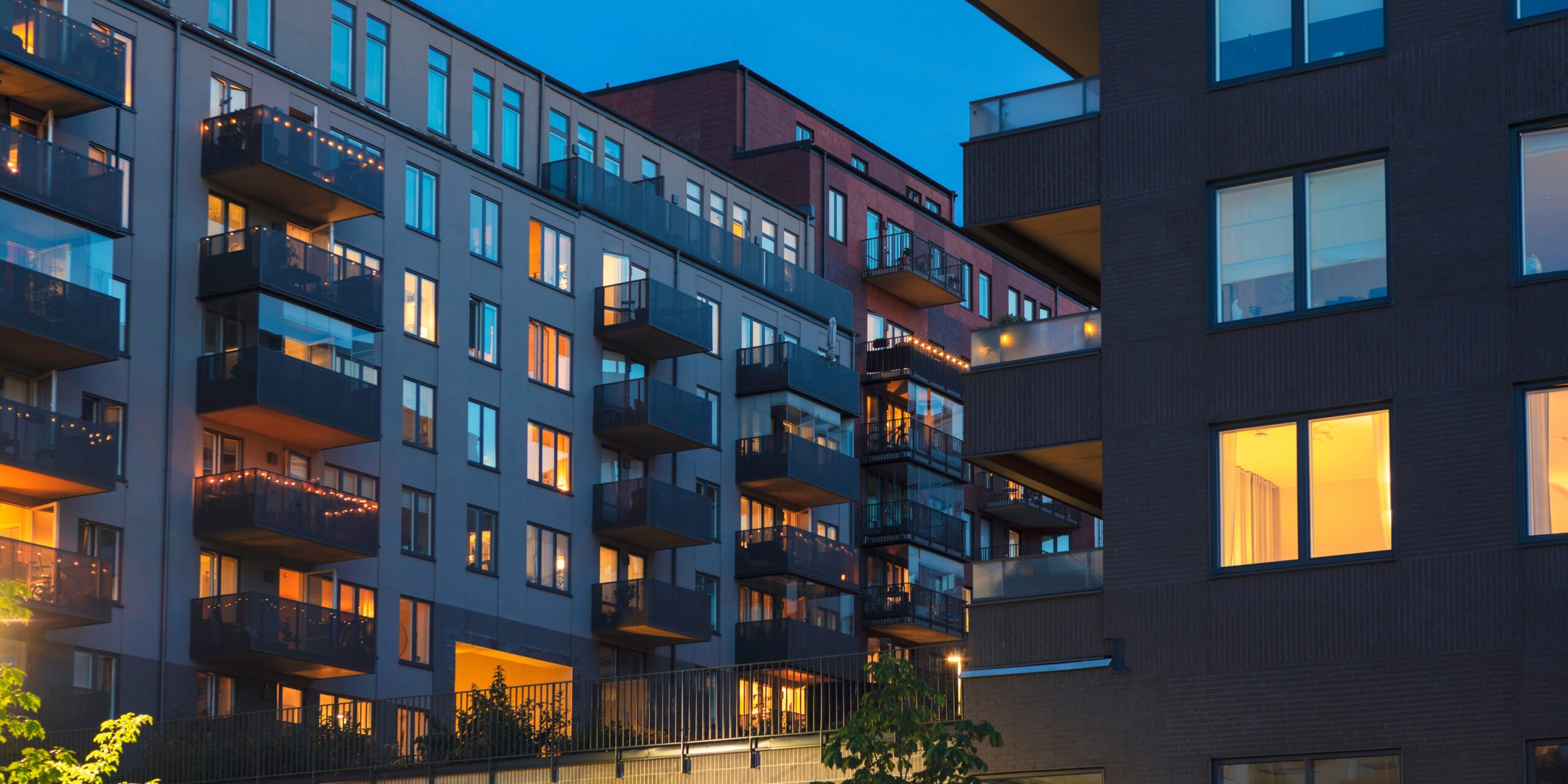
In the years following the pandemic, cities across the United States are facing new challenges in their commercial real estate markets. As the world adjusted to remote work and changing urban dynamics, many downtown areas saw a significant increase in office vacancies. This shift has prompted an innovative response: the conversion of obsolete office buildings into much-needed residential units. Washington, D.C., in particular, has emerged as a national leader in this growing trend, with plans to transform thousands of office spaces into housing. This movement not only addresses urban underutilization but also provides a solution to the nation’s housing shortage, which has become a growing concern in many major metropolitan areas.
The increasing vacancy rates of office buildings have highlighted a significant challenge for cities across the U.S. As businesses have redefined their office needs and embraced more flexible, remote, or hybrid work arrangements, many traditional office buildings have remained empty, contributing to urban blight and underutilized real estate. In response, developers have begun to see the potential in these vacant structures, realizing that they can be repurposed to serve a different purpose—providing housing. This adaptive reuse trend offers a unique opportunity to not only revitalize older buildings but also address a critical need for more housing in urban centers.
Washington, D.C. stands at the forefront of this trend. The city has seen a wave of developers eager to convert aging office spaces into residential buildings. These conversion projects are aimed at addressing the rising demand for housing in central urban locations, where more and more people seek to live close to work, entertainment, and cultural amenities. By repurposing office buildings, the city is able to create thousands of new housing units, which will help meet the growing need for affordable and accessible living spaces. The adaptive reuse of these properties has become a cornerstone of urban development in D.C., with several high-profile projects already underway or planned for the coming years.
One of the primary advantages of converting office buildings into residential units is the ability to breathe new life into older structures. Many of these buildings, originally constructed in the mid-20th century, are often architecturally significant but have become outdated in terms of their original design and function. By repurposing these structures, developers can preserve the historical character of the building while updating its interior to meet modern living standards. These conversions often include significant renovations that incorporate sustainable design practices, energy-efficient features, and modern amenities, making them attractive options for a variety of residents.
In addition to offering a practical solution to housing shortages, office-to-residential conversions are also seen as an environmentally sustainable option. By reusing existing buildings, developers reduce the need for new construction materials, which can be resource-intensive and environmentally taxing. Many of these projects are taking advantage of green building practices, such as improved insulation, energy-efficient windows, and the use of renewable energy sources. These sustainability measures align with broader goals of reducing the environmental impact of urban development and making cities more eco-friendly.
The trend of converting office spaces into residential units is not confined to Washington, D.C. Many other major U.S. cities, including New York, San Francisco, and Chicago, are also embracing this model. In these cities, developers are looking at vacant office buildings as opportunities to create affordable housing in prime urban locations. These conversions are not only transforming the cityscape but also contributing to a more vibrant urban life by bringing more residents into downtown areas. With more people living in central locations, the city becomes more walkable, with a stronger sense of community and increased economic activity. Additionally, these residential units can help mitigate the urban sprawl that often results from building housing farther outside city centers.
While the process of converting office buildings into residential units presents its own set of challenges, it is also viewed as a practical and creative solution to several urban issues. One of the main hurdles is the adaptation of office spaces to meet the needs of residential living. Offices are designed for work, not for daily life, and so the layout and amenities often need significant modification. This includes adding kitchens and bathrooms, adjusting floor plans to accommodate residential needs, and ensuring that the building meets updated building codes for residential use. Developers must also take into consideration the surrounding neighborhood and the demand for amenities such as grocery stores, schools, and public transportation. However, with careful planning and thoughtful design, many of these challenges can be overcome, leading to highly desirable residential spaces in the heart of the city.
The ongoing success of office-to-residential conversions underscores a broader trend in urban real estate: the move toward mixed-use developments. Cities are increasingly prioritizing projects that combine residential, commercial, and recreational spaces in the same area. This approach encourages a more integrated lifestyle where residents can live, work, and play in close proximity to one another. Office-to-residential conversions are just one part of this larger trend, which seeks to create more vibrant and sustainable urban environments. These developments often feature amenities like parks, shops, restaurants, and public spaces, fostering a sense of community and making urban living more convenient and attractive.
As the nation’s commercial real estate market continues to evolve, the office-to-residential conversion trend is likely to grow in importance. This approach not only addresses immediate urban housing challenges but also creates opportunities for cities to reimagine their downtown areas. By repurposing underutilized office buildings, cities can meet the housing demand while preserving their architectural heritage and reducing environmental impact. Washington, D.C. has proven that this model can be highly effective, and other cities across the United States are following suit, adapting their real estate strategies to fit the needs of a changing urban landscape.
In conclusion, the conversion of office buildings into residential units is more than just a response to high vacancy rates—it is a forward-thinking solution that addresses housing shortages, revitalizes aging urban landscapes, and promotes sustainable development. Washington, D.C. is leading the charge, but similar initiatives are being embraced across major U.S. cities, signaling a significant shift in the way we think about urban real estate. This trend offers hope for the future of city living, creating vibrant, mixed-use neighborhoods that are both sustainable and economically viable.