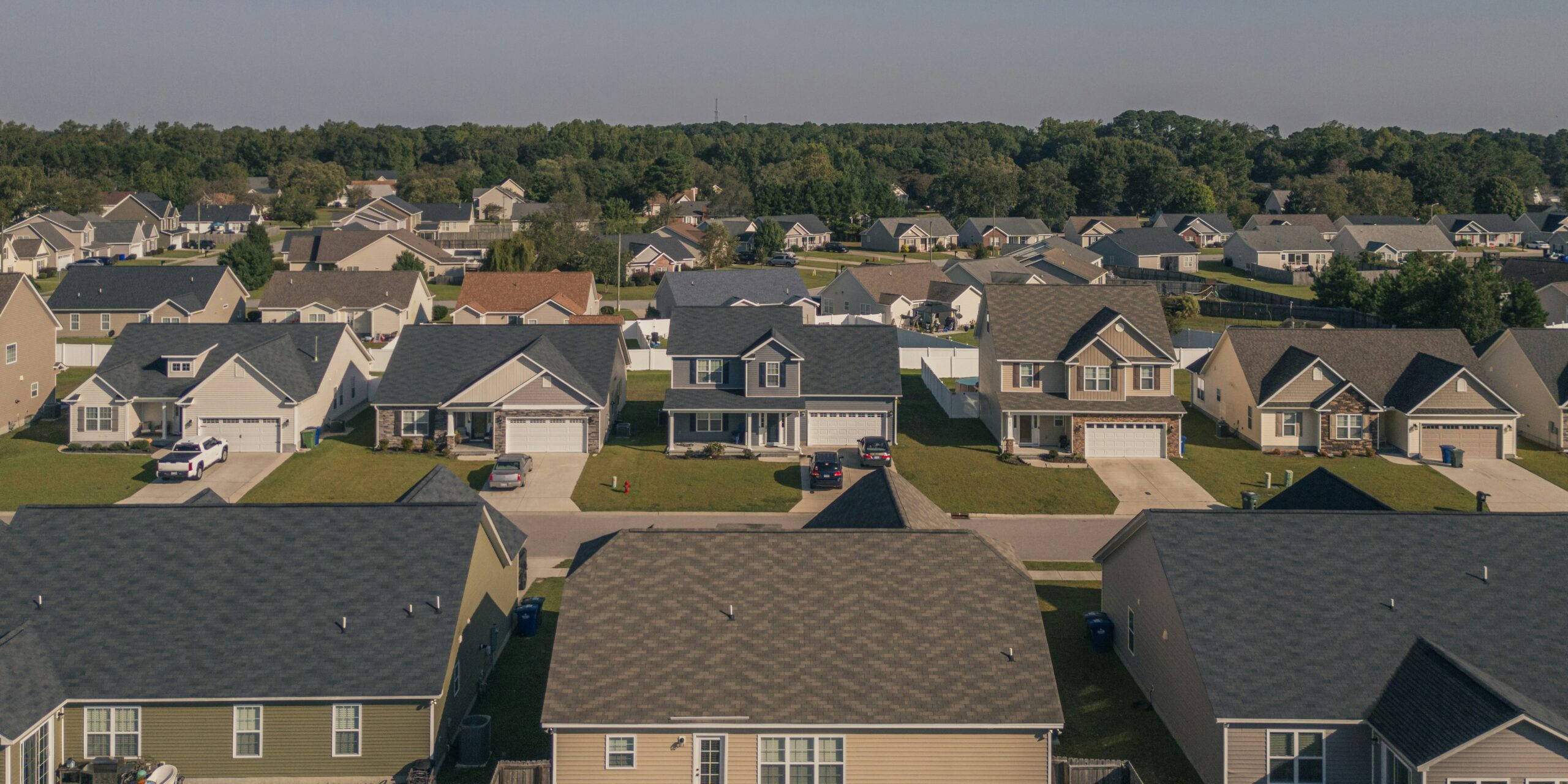
As 2025 comes to a close, housing affordability across the United States is increasingly shaped by deep regional differences, with new data highlighting how local economies, price levels, and buyer preferences are driving vastly different real estate experiences. According to Redfin’s latest market analysis released on December 17, the suburbs of St. Louis now stand out as the most affordable place in the nation to purchase a home. This designation underscores not only the relative strength of Midwestern affordability but also the widening gap between housing markets in America’s interior and its more expensive coastal regions.
In areas like Bellefontaine Neighbors, a suburb of St. Louis, housing costs represent just 16 percent of the median household income—a figure that is less than half the national average. Nationwide, the typical homeowner spends approximately 39 percent of their income on housing. This stark contrast paints a clear picture of how some Americans, depending on geography, face drastically different hurdles to homeownership. In places like St. Louis, low home prices combined with modest but stable income levels create conditions that make homeownership more attainable, particularly for first-time buyers or those with limited financial flexibility.
This level of affordability is not unique to Missouri. Several other Midwestern and Southern markets—such as parts of Michigan, Ohio, Louisiana, and Alabama—also ranked highly in Redfin’s affordability index. In many of these regions, housing prices have remained relatively stable or increased at a slower pace compared to national averages, thanks in part to slower population growth and a more balanced supply of housing stock. These factors have helped shield residents from the most severe affordability pressures seen elsewhere in the country.
However, while these markets are affordable on paper, the broader economic picture is more nuanced. Lower home prices often correlate with slower job growth, lower wages, and limited economic diversification. In some cases, households may spend a small portion of their income on housing, but still struggle with overall cost of living or limited access to employment opportunities. The affordability in these regions, while advantageous for buyers, does not always translate into broader economic prosperity.
On the other side of the spectrum, buyers in major coastal cities continue to face significant financial burdens. Despite signs of softening home prices in cities like San Francisco, New York, and Los Angeles, these markets remain among the least affordable in the country. Home values in these areas often far exceed what median incomes can comfortably support, leading many residents to spend 40 percent or more of their earnings on housing. Even with mortgage rates retreating slightly from the highs seen earlier in 2025, borrowing costs remain elevated, compounding affordability challenges.
The disconnect between housing prices and wages is especially pronounced in urban tech hubs and high-demand coastal markets, where housing supply continues to lag behind population growth and job creation. Policymakers in these regions are grappling with how to address affordability concerns through increased housing development, zoning reform, and affordable housing programs, but progress remains uneven.
National housing trends in December also reflected a market in flux. While home price growth has cooled significantly in many areas, and sales volumes have dipped year-over-year, newly listed homes have shown only slight changes, suggesting a hesitant approach by both buyers and sellers. Some sellers are pulling their homes off the market rather than lowering prices, while others are beginning to offer more competitive pricing or buyer incentives in recognition of the shifting demand landscape.
For real estate agents and industry professionals, these regional affordability trends are shaping business strategies and client conversations. In high-cost areas, agents are often working with buyers to explore alternative neighborhoods or financing options that can make ownership more feasible. In more affordable regions, agents are seeing renewed interest from out-of-state buyers, remote workers, and those looking to relocate from expensive urban cores to places with a lower cost of living and better quality of life.
As 2026 approaches, the future of affordability in the U.S. housing market will depend on several factors, including mortgage rate trends, regional economic growth, and federal and local policy decisions. Some analysts predict that affordability could improve modestly if wage growth accelerates and housing supply expands, but others warn that without significant interventions, high housing costs will continue to be a major economic challenge for millions of Americans.
What is clear from Redfin’s latest data is that location remains a critical determinant in the housing equation. While some buyers are discovering real opportunities in markets like St. Louis and Detroit, others continue to face steep hurdles in pricier metros. This geographic divergence highlights the importance of regional policy, targeted housing investments, and long-term planning to ensure that homeownership remains within reach across a broad swath of the population.