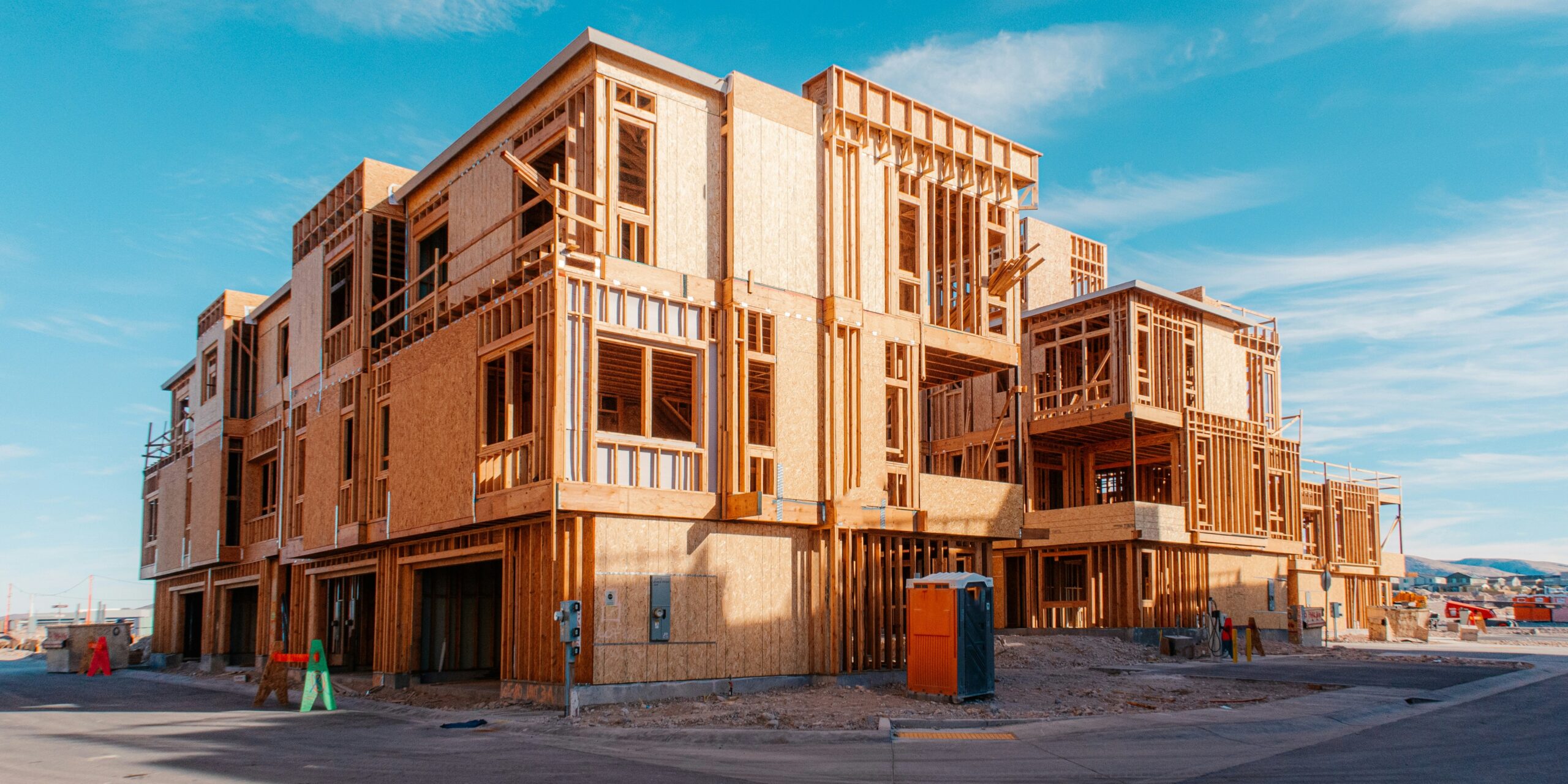
The residential housing market in the United States is undergoing a significant shift, with a noticeable increase in homebuyers seeking suburban properties. This trend, driven largely by the rise of remote work and evolving lifestyle preferences, reflects a growing desire for more space in less densely populated areas. As a result, the suburban housing market is experiencing a construction boom, reshaping the landscape of American real estate.
According to the National Association of Home Builders (NAHB), housing starts in suburban areas have surged by 17% over the past year. Builders have responded to this growing demand by launching a variety of new developments, ranging from single-family homes and townhomes to larger apartment complexes. These new homes are often designed with larger living spaces and energy-efficient features, catering to the increasing desire for more sustainable, comfortable living in suburban settings. Many of these homes incorporate advanced technologies such as solar panels, smart home systems, and high-efficiency appliances, appealing to eco-conscious buyers.
Read Also: https://besthouses.com/new-construction-slows-amid-oversupply-and-tariff-pressures/
“People are looking for homes that offer both privacy and proximity to amenities,” said Robert Dietz, Chief Economist at the NAHB. “With the shift toward hybrid work models, families are finding suburban areas to be an attractive option, offering a better balance between work and home life.” The flexibility to work from home, combined with a desire for more space and a less hectic lifestyle, has made suburban living particularly appealing to families and remote workers. These areas offer larger homes, bigger yards, and a slower pace of life, making them ideal for people seeking a higher quality of life away from the congestion of urban centers.
This surge in suburban demand is not only reshaping where people choose to live but is also having a profound impact on local economies. Increased construction activity has led to the creation of thousands of jobs, benefiting local economies and supporting a wide range of businesses, from construction to retail. As new communities are built, they also bring with them a greater demand for services like grocery stores, restaurants, and schools, further boosting economic activity in suburban regions. In many areas, the influx of residents has led to revitalization efforts, with developers focusing on creating vibrant, community-oriented neighborhoods.
While urban areas remain competitive, the growing popularity of suburban living is prompting many developers to rethink traditional, city-centered plans. The focus is shifting toward creating self-sustaining communities with access to parks, recreational areas, and schools, all within a short distance from residential neighborhoods. This approach aims to meet the needs of today’s homebuyers, who increasingly value a balance of convenience, privacy, and access to nature. Suburban areas, once considered quieter and less dynamic, are now being recognized for their potential to offer a fulfilling lifestyle that caters to a broad range of people.
Real estate agents across the country are reporting a marked uptick in demand for homes in suburban markets, with multiple offer situations becoming more common. The increased competition in suburban real estate markets is driving up home prices, particularly in areas that have traditionally been less expensive than their urban counterparts. This trend is expected to continue as the desire for suburban living remains strong and more people look for ways to adjust their lifestyles to fit a new reality shaped by remote work, flexibility, and an emphasis on family life.
Experts suggest that the suburban shift could have long-lasting effects on the housing market, potentially reshaping it for the next decade. Areas that were once overlooked in favor of the hustle and bustle of cities are now seeing a rise in interest, and developers are increasingly looking to create modern, community-focused neighborhoods that align with the desires of today’s homebuyers. This evolution in the market reflects a broader shift toward more sustainable, family-friendly, and adaptable living spaces that prioritize quality of life and long-term value.
For those considering buying or selling a home, now is a prime time to explore suburban opportunities. As real estate agents report continued growth in these once quieter markets, there is potential for both buyers and sellers to capitalize on the increasing demand for homes in suburban areas. Whether you’re a first-time homebuyer, a growing family, or someone seeking a quieter environment, suburban markets offer a wealth of opportunities that may have been overlooked in the past.
As the residential market continues to evolve, suburban living is poised to remain a key focus of the housing sector. With more buyers seeking spacious homes, community-oriented living, and access to nature, suburban areas are becoming the new heart of the American housing market.