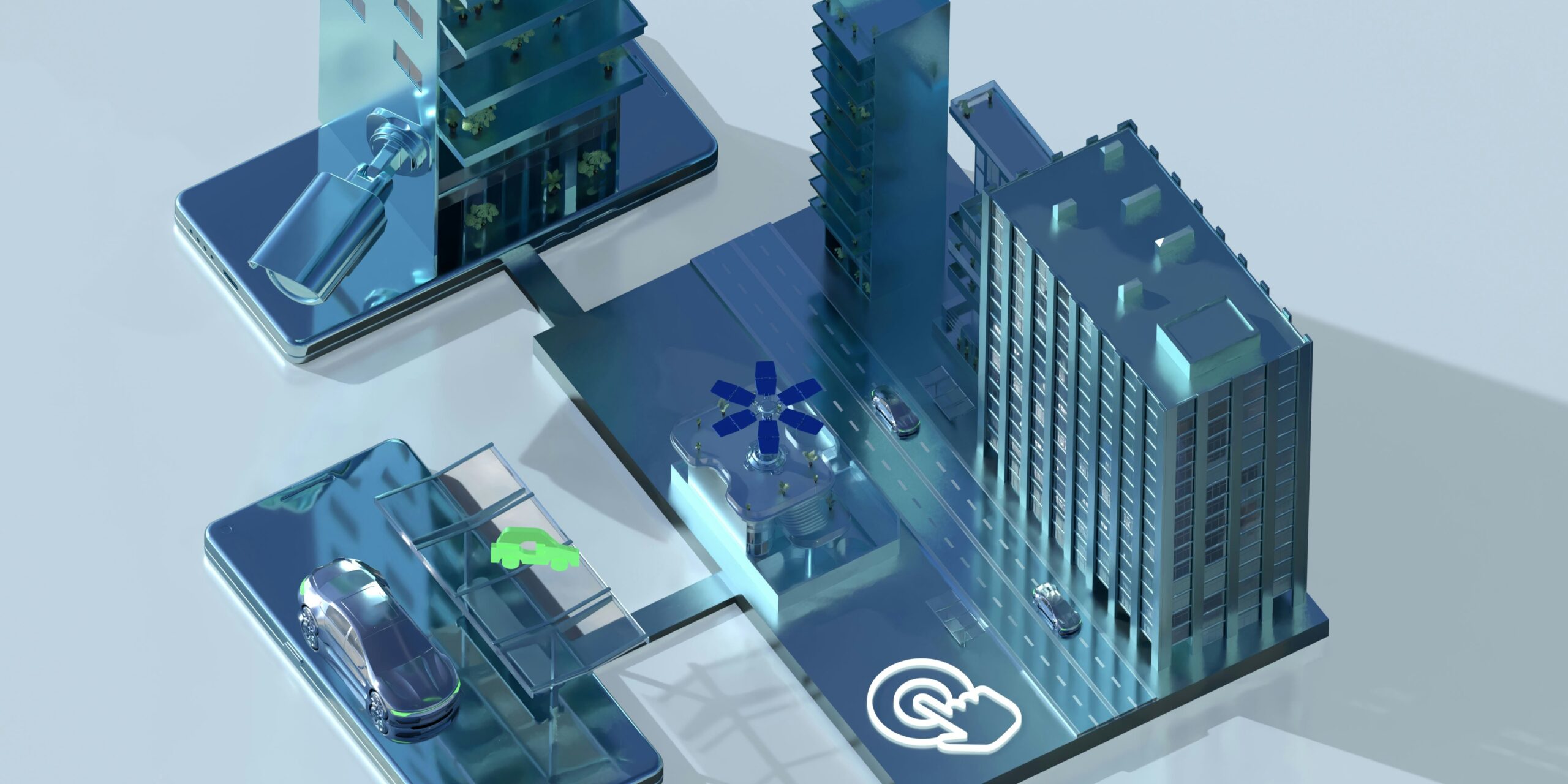
As we enter 2026, it’s clear that technology continues to be a major driving force behind the way businesses and real‑estate professionals operate. Industry analysts emphasize that innovations in artificial intelligence (AI), edge computing, and real‑time decision‑making systems will shape the landscape of business technology in the year ahead. These advancements are enabling smarter automation, optimizing operational workflows, and improving both decision‑making and customer engagement across a wide range of industries.
At the heart of these technological shifts is AI, which is increasingly integrated into everyday business processes. Companies are no longer just using AI for simple automation tasks; instead, they are leveraging it to enhance decision‑making, anticipate market trends, and improve operational efficiency. As AI becomes more deeply embedded within operational systems, it enables companies to automate complex workflows, which can reduce human error, improve accuracy, and accelerate decision‑making. Real‑time data analysis powered by AI allows businesses to be more agile, responding to changes in the market or industry with greater speed and precision. This trend is particularly evident in sectors such as manufacturing, healthcare, and customer service, where businesses are increasingly turning to AI to improve performance and streamline operations. By 2026, it’s expected that many organizations will have adopted AI‑enabled Internet of Things (IoT) devices, making use of interconnected systems that allow for better collaboration across departments and smoother workflows.
The rise of edge computing is another critical trend that is reshaping business operations in 2026. Edge computing refers to the practice of processing data closer to where it is generated, rather than relying on distant cloud servers. By minimizing the time it takes to transmit data to centralized cloud systems, edge computing reduces latency, ensuring faster and more efficient processing. This is especially beneficial for applications that require real‑time decision‑making, such as autonomous vehicles, robotics, and smart factories. In sectors like retail and logistics, edge computing is helping businesses optimize supply chains, monitor inventory in real time, and deliver personalized customer experiences. The fusion of edge computing and AI is creating a powerful combination, enabling businesses to process vast amounts of data locally, gain insights instantly, and make better, more informed decisions.
Another exciting trend that is expected to gain traction in 2026 is the growing use of digital twins and ‘phygital’ experiences. A digital twin is a virtual replica of a physical system, process, or product. Companies can use digital twins to simulate various scenarios, test different approaches, and optimize performance without the risks associated with real‑world testing. For example, in the manufacturing industry, digital twins are used to simulate production lines, enabling companies to identify potential issues before they occur and reduce downtime. In the real estate sector, digital twins can be used to model buildings and infrastructure, helping architects and engineers design more efficient and sustainable properties. This technology is increasingly being integrated with AI and machine learning to create smarter, more efficient systems that can continuously improve themselves over time. As companies seek to improve operational efficiency and mitigate risks, digital twins will play an essential role in helping them test, analyze, and optimize processes.
The business world is also witnessing an increasing focus on creating digital ecosystems that integrate a wide range of technologies into cohesive, streamlined systems. Rather than adopting isolated tools, businesses are now prioritizing the creation of interconnected platforms that support collaboration and offer a seamless flow of data. This trend is reflective of the broader shift towards a more integrated approach to technology adoption. In order to stay competitive in 2026, organizations will need to focus on building digital ecosystems that foster agility, enhance communication, and promote data transparency. As the adoption of AI, machine learning, edge computing, and cloud technologies continues to rise, businesses must also implement systems that ensure secure and reliable data exchanges within these ecosystems.
These technology trends are also transforming the real‑estate sector, which is increasingly relying on AI, predictive analytics, and market intelligence tools to streamline operations and enhance customer engagement. Real‑estate professionals are leveraging AI‑driven platforms to analyze property data, assess market conditions, and optimize pricing strategies. By predicting market trends with greater accuracy, these tools allow real‑estate agents to advise clients on pricing and investment decisions, improving both customer satisfaction and business outcomes. Predictive analytics are also being used to automate the transaction process, reducing the amount of time and paperwork involved in property sales and leases. This has the potential to make the real‑estate market more transparent, efficient, and accessible for both buyers and sellers. Furthermore, AI is helping real estate companies enhance client engagement by enabling more personalized and responsive service. Chatbots and virtual assistants powered by AI can provide customers with immediate answers to their questions, while smart tools are used to streamline property searches and viewings.
In addition to AI and predictive analytics, the real‑estate industry is also seeing significant advances in smart building technology. The integration of IoT devices in buildings allows real estate owners and managers to monitor everything from energy usage to air quality in real time. Smart sensors and automation systems can adjust lighting, heating, and cooling to optimize energy efficiency and create more comfortable environments for tenants. This not only helps reduce operating costs but also enhances the value of properties by making them more attractive to environmentally conscious buyers. With growing demand for sustainable and tech‑enabled properties, smart buildings are expected to be a key focus for the real‑estate industry in the coming years.
As the demand for innovative technologies continues to grow, new business models are emerging in the real‑estate sector. Fractional ownership platforms, blockchain technologies, and digital marketplaces are reshaping how people invest in and interact with real estate. These innovations allow individuals to buy shares in high‑value properties, making real‑estate investment more accessible to a broader audience. Blockchain, in particular, is gaining attention for its potential to streamline property transactions by ensuring transparency and reducing fraud. Digital currencies and smart contracts are being used to facilitate transactions, further increasing the efficiency and security of the buying and selling process.
Overall, the integration of AI, predictive analytics, IoT, edge computing, and other advanced technologies is fundamentally changing how businesses operate and how real‑estate services are provided. As we look ahead to 2026 and beyond, companies that leverage these technologies effectively will be better positioned to drive growth, improve operational efficiency, and enhance customer experiences. In an increasingly digital economy, staying ahead of these trends and continuously adapting to new technological innovations will be essential for success. The shift towards a more data‑driven, interconnected, and automated business environment is not just a passing trend, but a fundamental transformation in the way we do business.
Read Also: https://besthouses.com/smart-home-technology-reshaping-modern-residential-sales/