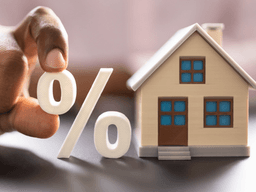
U.S. home prices rose 2.6% annually in July as elevated mortgage rates continued to shape affordability and buyer demand nationwide.
Single-family home prices across the United States increased 2.6% over the year ending in July, according to the Federal Housing Finance Agency, showing continued price growth even as higher mortgage rates and weaker demand create affordability challenges for buyers.
The FHFA reported that prices increased 0.3% between June and July after remaining unchanged during the previous month. The annual increase was recorded across all nine census regions, although the pace of growth varied significantly from one part of the country to another.
The Middle Atlantic recorded the strongest annual increase at 6.3%, while the Mountain region posted the smallest increase at 0.6%. On a monthly basis, the Middle Atlantic also led the country with a 1.5% increase.
The figures illustrate the uneven nature of the current residential housing market. National prices are still increasing, but the rate of appreciation differs considerably depending on local supply, demand and economic conditions.
At the same time, mortgage costs have increased. Freddie Mac data cited in the FHFA report showed the average 30-year fixed mortgage rate reaching 7.03% during the relevant period, the highest level since January 2025.
Higher mortgage rates can affect housing affordability even when home prices are relatively stable. Buyers who finance a large portion of a purchase can see substantial changes in monthly payments when interest rates move higher.
The combination of price appreciation and higher borrowing costs is particularly significant for households entering the market for the first time. First-time buyers generally have less existing home equity available to use toward a new purchase, making financing conditions especially important.
The market is nevertheless not characterized solely by declining affordability. Housing inventory has increased in many areas, giving buyers more opportunities to compare properties and negotiate transaction terms.
The increased supply also changes the relationship between buyers and sellers. During periods of limited inventory, buyers may have to compete aggressively for available properties. When more homes are available, sellers can face greater pressure to price properties competitively.
Recent mortgage-rate data published September 29 showed the average 30-year conventional mortgage rate at approximately 7.37%, while the average 30-year jumbo rate was about 7.52%. FHA and VA rates were lower, although they remained above the levels seen during the low-rate period earlier in the decade.
These financing differences mean that housing affordability cannot be measured solely through changes in home prices. Loan type, down payment, interest rate and local property costs all influence the final expense of homeownership.
The July price data also show why national housing statistics need to be interpreted carefully. A 2.6% annual increase does not mean every homeowner experienced the same change in property value. Regional and local markets can move at substantially different rates.
For homeowners considering selling, continued national price growth may provide support for property values, although the ability to achieve a particular sale price depends on local competition and buyer demand.
For buyers, the combination of higher prices and elevated mortgage rates makes financing a central part of the purchasing decision. At the same time, greater inventory and more flexible transaction conditions in some markets can create opportunities that were less common during periods of intense competition.
The latest FHFA figures therefore present a housing market that is neither uniformly rising nor broadly falling. Prices continue to move upward nationally, while affordability pressures and changing inventory are reshaping the residential market.
As the year progresses, the interaction between mortgage rates, inventory and local demand will remain important in determining how individual housing markets perform.

Best Houses Contributor
Covers proptech and housing data, and the tools changing how homes are bought, sold, and financed.
This article features partner, contributor, or branded content from a third party. Members of the Best Houses editorial staff were not involved in the creation of this content. All views and opinions are those of the contributor alone.