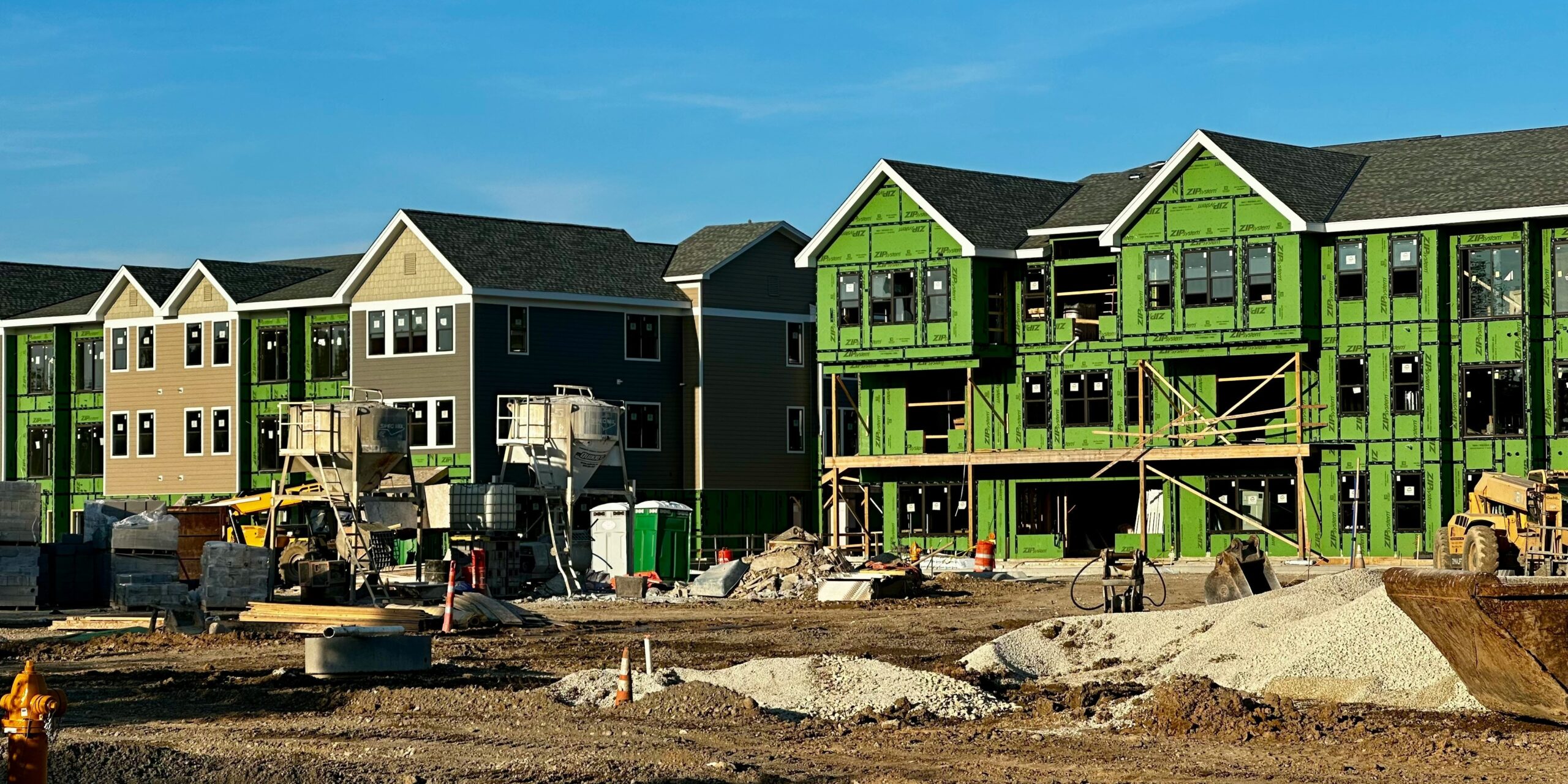
The U.S. homebuilding industry is showing signs of a moderate slowdown as it moves into 2025, even as the nation continues to grapple with a persistent shortage of housing. Recent data compiled in October and published around November 3, 2025, paints a picture of an industry that, while not in full retreat, is facing mounting headwinds due to economic pressures, affordability constraints, and shifting consumer behavior.
According to S&P Global Market Intelligence, the largest publicly traded homebuilders in the United States—including major players like D.R. Horton, Lennar, PulteGroup, Toll Brothers, and NVR—are projected to see their combined revenues drop by approximately five percent in 2025. This comes after a strong showing in 2024, where the sector experienced nearly ten percent revenue growth. The turnaround reflects growing difficulties in maintaining demand amid higher interest rates, stubborn inflation in construction inputs, and affordability challenges that are hitting first-time buyers especially hard.
The number of new home orders is expected to dip slightly as well. Analysts forecast that these top five builders will collectively deliver around 225,000 new homes in 2025, a modest 0.2 percent decline compared to the previous year. While this figure may not suggest a dramatic contraction, it represents a clear departure from the post-pandemic housing boom, where builders struggled to keep up with a red-hot market fueled by low mortgage rates and soaring demand.
Profitability is also being squeezed. Gross margins are projected to decline by 450 to 800 basis points compared to 2022 levels, a result of both rising costs and increased promotional spending. Builders are being forced to offer more incentives—such as rate buy-downs, closing cost assistance, and upgraded home features—to attract buyers in a more cautious lending environment. As a result, average selling prices are expected to remain under pressure, particularly in markets where competition among builders is intensifying.
Despite these signs of deceleration, the broader housing market is far from saturated. The national housing stock remains critically undersupplied, particularly in affordable segments and growing metro regions. Data from multiple research groups, including Morningstar and Zillow, show that single-family building permits have fallen by over six percent in the first half of 2025. This suggests that while builders may be pulling back due to tightening margins and weaker buyer demand, the supply of new housing continues to lag far behind what is needed to balance the market.
This enduring shortfall is one of the key reasons home prices have not seen significant declines despite cooling conditions. Instead, the pace of appreciation has slowed. Year-over-year home price growth has decelerated in most metro areas, but remains in positive territory. Experts suggest that while the rapid gains of the pandemic years are unlikely to return in the near term, modest price increases will persist in many regions simply because there are still not enough homes available to meet demand.
For real estate professionals and consumers alike, the current environment presents a complex mix of challenges and opportunities. On the one hand, the reduced pace of homebuilding means that inventory will remain constrained, which could support prices but limit options for buyers. On the other hand, affordability pressures, driven by high mortgage rates and record home prices, continue to sideline many potential purchasers, particularly first-time buyers and those without significant equity.
This dual reality—slower construction alongside limited supply—means that market dynamics will vary significantly by region. In high-demand cities with tight inventory and strong job growth, such as Austin, Charlotte, or Nashville, home prices may continue to climb modestly despite reduced building activity. In contrast, areas with greater supply flexibility or weaker demand may see more stagnant or even slightly declining prices.
For sellers, this is a critical moment to recalibrate expectations. The frenzy of bidding wars and double-digit appreciation that characterized recent years is cooling. Homes may take longer to sell, and pricing strategies must be more carefully aligned with current market realities. Real estate agents and brokers are being urged to educate clients about these evolving conditions and to emphasize the importance of local market knowledge over national trends.
Buyers, meanwhile, face a tough calculus. While there is less competition and more negotiating power than in recent years, borrowing costs remain elevated, and the overall cost of ownership is still historically high. Many may find themselves weighing the benefits of buying now at a higher rate versus waiting in the hope that either prices or rates will ease—though there is no guarantee that both will align favorably in the near future.
For builders, the path forward involves strategic restraint and adaptation. Companies are expected to focus more on cost control, land acquisition discipline, and targeting markets where housing demand remains robust. Some are pivoting toward smaller, more affordable home models or experimenting with build-to-rent projects to capture shifting demand patterns.
In sum, the U.S. homebuilding industry is entering a transitional phase. While not in crisis, it is adjusting to a post-boom era shaped by affordability challenges and a structural housing shortage. The interplay between these forces will determine how both prices and construction volumes evolve over the coming year. For consumers, industry professionals, and policymakers, understanding this nuanced landscape is essential for making informed decisions in what remains one of the most vital sectors of the American economy.