The MTA begins environmental review for Harlem's proposed subway extension, inviting public input on construction and neighborhood impacts.
A Proposed Extension Moves Forward
The MTA announced that it had released a draft scoping document for the proposed westward extension of the Q train beneath 125th Street toward Broadway. The proposed route would expand the Second Avenue Subway beyond its current and developing phases.
The announcement marks a significant planning step, but it does not mean construction of the proposed extension has received every necessary approval. Environmental review is intended to identify the subjects that must be studied before agencies can make later decisions.
The MTA also opened a public-comment process, giving residents, businesses and other stakeholders an opportunity to raise issues for consideration.
What Environmental Review Means for Housing and Property
Large transportation projects can affect the built environment well beyond the railway itself. Construction activity, station entrances, traffic changes and the placement of infrastructure may influence how nearby buildings are accessed and used.
For residential property owners, these factors can affect daily routines, street conditions and access to public transportation. Commercial property owners may also be concerned about deliveries, pedestrian circulation and the potential disruption of business operations during construction.
The environmental review process provides a framework for examining those effects. It can help determine where more detailed studies are needed and whether particular impacts could be reduced through design changes or construction measures.
However, the beginning of a review does not establish that a specific property will be affected in a particular way. Those conclusions depend on the detailed project plans and the evidence collected during the assessment.
Why the Scope of the Review Matters
A scoping document identifies the topics that will be examined during the environmental review. The document helps guide the analysis and provides a basis for public discussion about the issues that deserve attention.
For a subway extension, relevant considerations may include construction noise, traffic circulation, pedestrian safety, air quality, station access and the use of nearby land. The final scope and analysis must be determined through the formal process rather than assumed from the project's broad objective.
Public participation is important because local residents and businesses may identify conditions that require additional examination. Their comments can help agencies understand how construction or future station operations might interact with existing neighborhood activity.
The review process is not a substitute for a final design or construction plan. Instead, it provides information to support decisions as the project develops.
Transportation Access and Property Markets
Access to public transportation is an important feature of urban housing markets. Subway services can connect residents with employment, education, retail and cultural destinations, potentially making neighborhoods more accessible.
Nevertheless, the relationship between transportation and property values is not automatic. Market effects depend on the location of stations, travel-time changes, housing supply, development patterns and broader economic conditions.
A proposed extension may attract attention from property owners and developers, but it is premature to conclude that nearby values or rents will rise because environmental review has begun.
For renters and homeowners, the more immediate concern is understanding how the planning process may affect the neighborhood and when more precise information becomes available.
Construction Impacts Require Careful Assessment
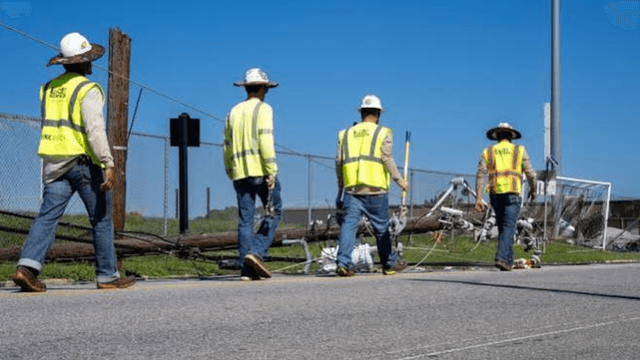
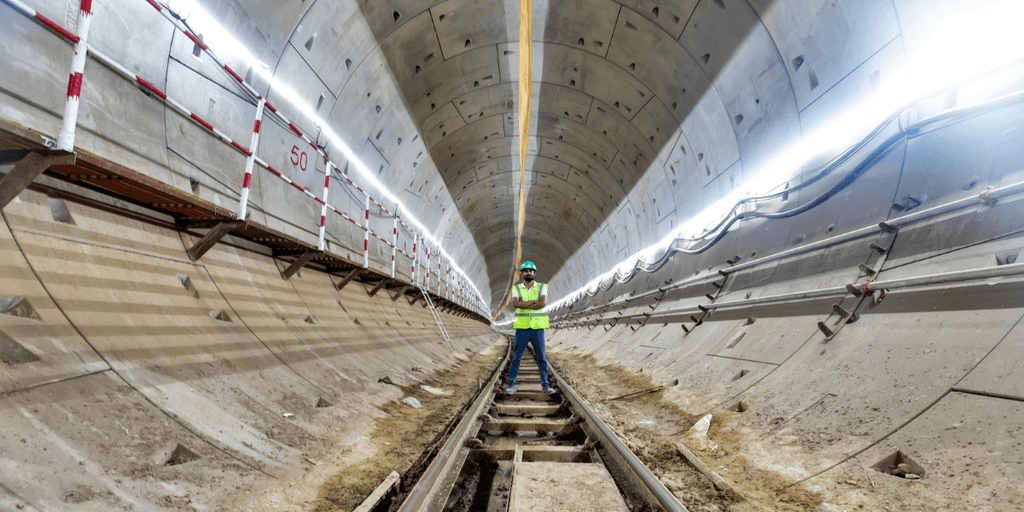
Subway projects can involve excavation, construction staging, equipment movement and temporary changes to street access. Those activities may create disruptions for homes, storefronts and other properties.
The degree of disruption depends on the construction methods selected, the location of work areas and the duration of individual activities. Mitigation measures can reduce some effects, but they cannot be assessed accurately without detailed planning information.
A transparent review process allows affected stakeholders to raise concerns before major decisions are finalized. It also gives the agency a documented basis for evaluating alternatives and explaining the reasoning behind its choices.
What Property Stakeholders Should Watch
The next stages will provide more information about the proposed extension and the issues under review. Property owners, tenants and business operators can follow the MTA's published documents and public-comment announcements to understand the proposal's development.
The review process may refine the project's scope and identify areas requiring further study. It will not, by itself, guarantee a construction start date, a final route or a particular property-market outcome.
The proposed Harlem extension is important because it combines a transportation planning decision with questions about neighborhood access, construction impacts and long-term urban development.
For the housing and property sectors, the immediate significance is procedural: the project has entered a formal environmental review stage, creating an opportunity for evidence and public input to inform the next steps.

Best Houses Contributor
Covers commercial property, development, and the zoning and regulation shaping where and how America builds.
This article features partner, contributor, or branded content from a third party. Members of the Best Houses editorial staff were not involved in the creation of this content. All views and opinions are those of the contributor alone.