In 2025, Los Angeles made significant strides in its efforts to combat air pollution with the introduction of a new “smog” law that phases out gas-powered central heating systems, water heaters, and other appliances. The South Coast Air Quality Management District (SCAQMD) has rolled out this regulation in a bid to reduce nitrogen oxide (NOx) emissions, which contribute to the formation of ground-level ozone and smog. The new law is part of the state’s broader strategy to tackle air pollution and mitigate the impacts of climate change.
The Scope of the New Law
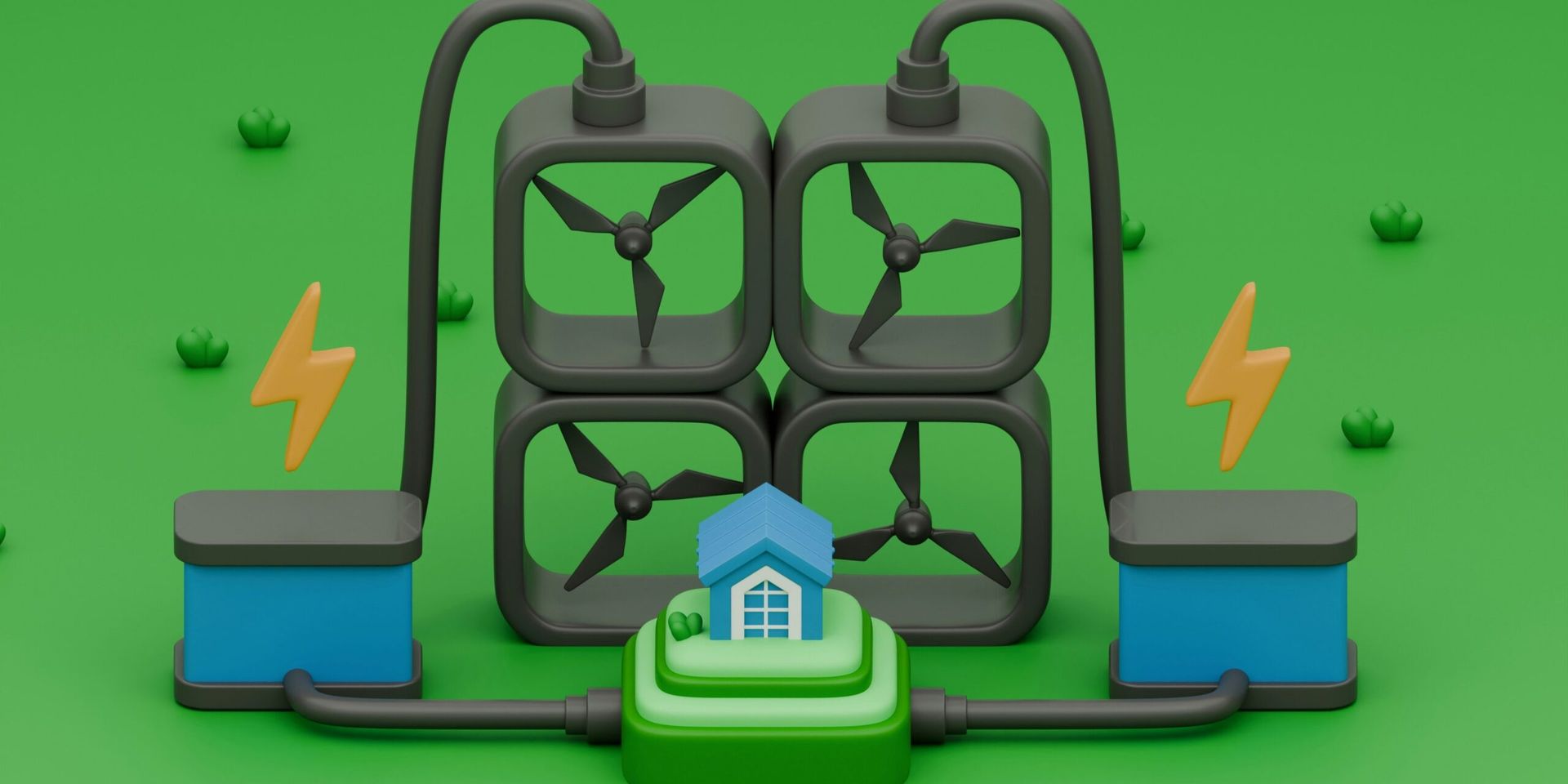
The new regulation, which will be enforced starting in 2025, requires that any new gas-powered appliances, including water heaters and space heaters, be replaced with electric alternatives that are zero-emission. The law also imposes restrictions on the sale of new gas-powered appliances, with manufacturers being required to meet specific sales targets for electric appliances in order to comply with the new rules.
This regulation is part of a broader plan to reduce smog and improve air quality in the Los Angeles area, which has long been plagued by poor air quality due to high levels of vehicle emissions, industrial pollution, and natural factors. Nitrogen oxides (NOx) are a significant contributor to smog, and by reducing their emissions from residential appliances, Los Angeles hopes to make measurable improvements in air quality.
In particular, the new rules are targeting the most common sources of indoor air pollution in Los Angeles homes: gas-powered furnaces, water heaters, and stoves. While these appliances have been the standard in homes for decades, they emit harmful pollutants such as nitrogen oxides and carbon monoxide that contribute to poor air quality and respiratory problems.
The Environmental and Health Benefits
The primary aim of the smog law is to improve air quality in the Los Angeles region, which is one of the most polluted metropolitan areas in the United States. The SCAQMD estimates that the new rules will reduce NOx emissions by six tons per day by 2061. This reduction is expected to have significant benefits for public health, particularly in terms of reducing the incidence of respiratory diseases like asthma, which disproportionately affect low-income and minority communities in the area.
In addition to improving public health, the new law is designed to help the state meet its climate goals. California has set ambitious targets for reducing greenhouse gas emissions, and eliminating gas-powered appliances from homes is seen as an important step in achieving those goals. By shifting to electric alternatives, residents will reduce their carbon footprints, helping to mitigate the impacts of climate change.
For homeowners, the new law offers an opportunity to invest in more energy-efficient appliances that can reduce energy consumption and lower utility bills. Electric heat pumps, for example, are highly efficient and use far less energy than traditional gas-powered furnaces, resulting in lower heating costs over time.
Concerns and Challenges
While the environmental benefits of the new law are clear, it has generated concerns among some residents and industry groups. Critics argue that the new regulations could place an undue burden on homeowners, particularly those in lower-income areas who may struggle to afford the cost of replacing their gas-powered appliances with electric ones.
Furthermore, some homeowners are concerned about the availability and cost of the electric alternatives. While the technology for electric heat pumps and water heaters is improving, these appliances can be more expensive upfront than their gas-powered counterparts. Homeowners who have already invested in gas appliances may feel that they are being unfairly forced to replace equipment that still has years of useful life remaining.
To address these concerns, the SCAQMD has announced plans to provide financial incentives for low-income residents to help cover the cost of upgrading to electric appliances. In addition, the agency is working with manufacturers to ensure that electric alternatives are widely available and competitively priced.
Moving Forward
The new smog law marks a significant shift in how Los Angeles is addressing its air quality problems, and it is likely to serve as a model for other cities in California and beyond. As the city moves toward greater electrification, policymakers and industry stakeholders will need to collaborate to ensure that the transition is fair, affordable, and effective in achieving the desired environmental benefits.

Best Houses Contributor
Covers commercial property, development, and the zoning and regulation shaping where and how America builds.
This article features partner, contributor, or branded content from a third party. Members of the Best Houses editorial staff were not involved in the creation of this content. All views and opinions are those of the contributor alone.