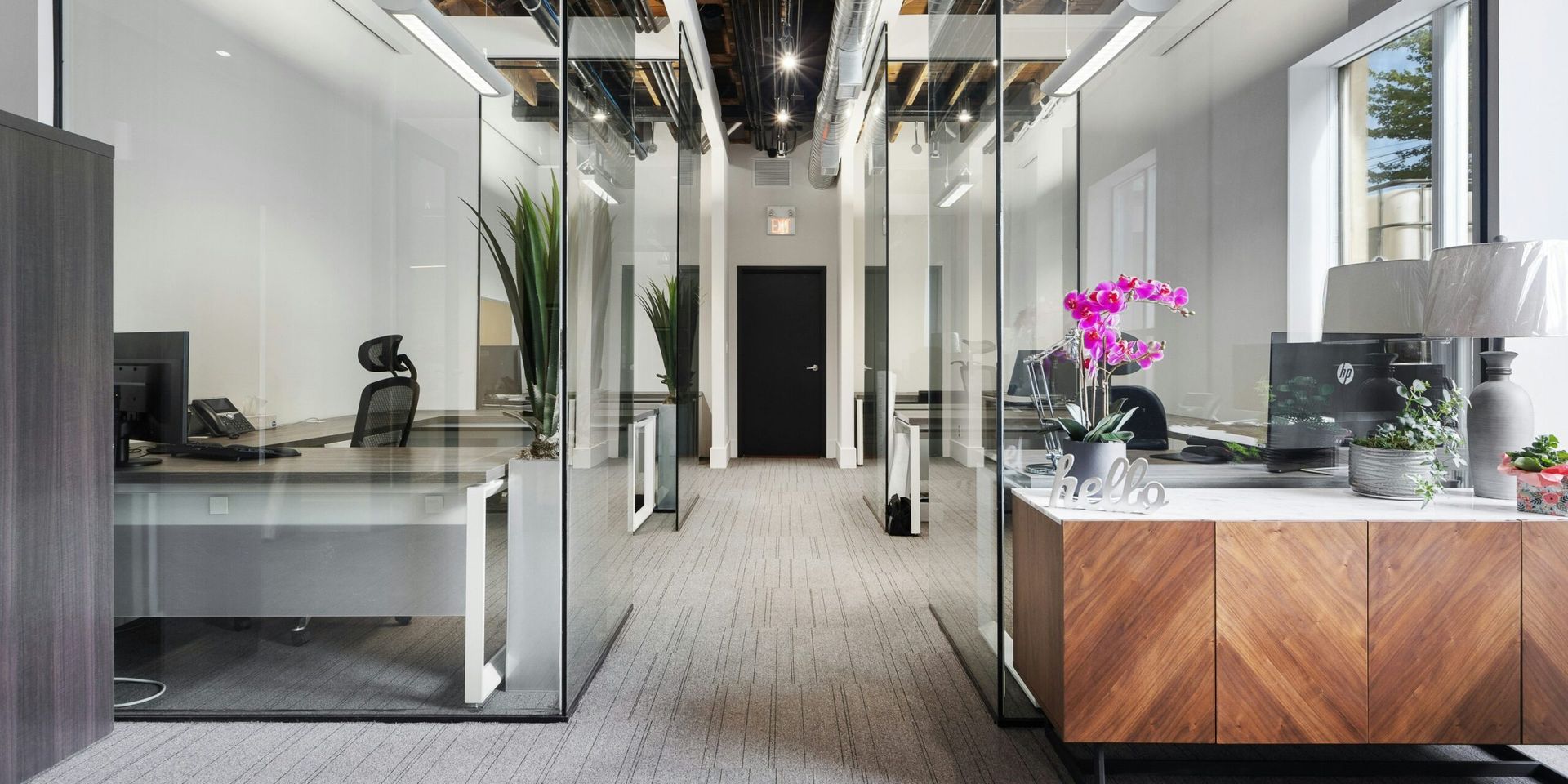
The Los Angeles commercial real estate market is experiencing significant changes in 2025, particularly in the office sector. Following a tumultuous few years, exacerbated by the COVID-19 pandemic and the rise of remote and hybrid work, the office vacancy rate in Los Angeles has risen to its highest level in over a decade. According to the latest quarterly report from Cushman & Wakefield, office vacancies in the Greater Los Angeles area reached 17.0% in Q1 2025, up from 16.7% in the previous quarter, marking a continuing trend of high vacancies in the market.
In the immediate aftermath of the pandemic, many companies across industries were quick to adopt flexible work arrangements. As a result, there was a sharp decline in demand for traditional office spaces. This trend appears to be holding steady, with hybrid work becoming a more permanent fixture in the work culture of many businesses. As companies choose to downsize their office footprints in favor of remote work options, more office space remains vacant than ever before.
The drop in office space demand has put significant pressure on commercial landlords, especially those in older buildings or areas without strong economic recovery. Landlords are finding it increasingly difficult to attract tenants without offering substantial incentives such as rent reductions, flexible leasing terms, and improvements to building amenities.
Key Factors Contributing to Rising Vacancy Rates
Several factors are contributing to the rise in office space vacancies across Los Angeles. First and foremost is the ongoing shift in work culture. The 2020 pandemic served as a proof of concept for many companies that remote and hybrid work are viable options for maintaining productivity. Major employers in the tech, finance, and professional services sectors have made it clear that their employees will continue to work from home for at least part of the week, leading to a decreased need for full office buildings.
In addition to the permanent shift to remote work, many companies are opting for flexible office solutions. Coworking spaces and flexible office leases are becoming more attractive to businesses seeking smaller and more adaptable spaces. Coworking spaces such as WeWork and Industrious have reported a steady increase in demand as companies downsize and seek more collaborative, flexible working environments. Coworking spaces provide businesses with short-term, flexible lease options without the commitment of long-term office leases, appealing to startups and businesses in transition.
Another factor contributing to the rising vacancy rates is the large volume of office buildings in Los Angeles built in the 1980s and 1990s, many of which are now considered outdated and less desirable for tenants. These older buildings face increasing competition from newly built, modern office spaces equipped with the latest amenities, including higher energy efficiency, improved ventilation systems, and access to smart building technologies. The demand for these new, high-tech spaces is growing, while older office spaces are seeing fewer tenants.
Impact on the Commercial Real Estate Market and Investors
While some areas in Los Angeles, particularly in the downtown area and more centrally located neighborhoods, are still experiencing high demand for office space, the overall market has been slow to recover. This trend is having significant effects on commercial real estate investors. Office landlords are being forced to adjust to the new normal by reducing rental rates or offering additional perks to attract tenants. However, these measures often fail to offset the rising vacancy rates.
According to Marcus & Millichap’s market outlook for the 2025 fiscal year, office rents in Los Angeles have leveled off, with some submarkets seeing a slight decrease in rental rates, particularly for older office buildings. Class A office spaces, especially in high-demand areas like Santa Monica, Downtown LA, and Century City, remain in higher demand, but Class B and Class C properties are struggling. Commercial investors are becoming more cautious and are closely monitoring the market for signs of stabilization.
Property owners in Los Angeles are responding by repurposing older office buildings for new uses. This includes converting office spaces into mixed-use developments or residential buildings. The growing demand for housing in LA, paired with the increasing number of vacant office buildings, has led developers to look into converting these spaces into apartments, condos, or retail spaces. This trend is particularly evident in the downtown Los Angeles area, where zoning changes and redevelopment initiatives are encouraging the conversion of office buildings into residential spaces.
The rise of mixed-use developments and adaptive reuse projects presents an opportunity for commercial real estate to pivot away from its reliance on office space to diversify into other sectors. With the ongoing shortage of affordable housing in Los Angeles, these projects are seen as a way to alleviate the housing crisis while also breathing new life into aging office buildings.
The Future of Office Space in Los Angeles
Despite the challenges the office market faces, there is potential for long-term growth, particularly in niche markets that cater to specialized industries. Los Angeles remains a global business hub, especially for the entertainment, tech, and creative industries. The demand for office space may remain strong in certain sectors, especially in the tech industry, where collaboration and in-person meetings still play an important role in innovation and business development.
Going forward, landlords and investors will need to adapt to changing work styles and tenant expectations. More emphasis will be placed on flexible office arrangements, smart building technologies, and employee wellness programs. The ability to offer adaptable spaces that can accommodate both remote and in-office workers will be crucial for office spaces to remain relevant in the post-pandemic world.
Furthermore, office buildings will likely need to cater more to sustainability and energy efficiency. As Los Angeles moves toward ambitious climate goals, commercial real estate developers are under increasing pressure to create energy-efficient spaces. Buildings with sustainability certifications such as LEED (Leadership in Energy and Environmental Design) and WELL Building Standards will have a distinct advantage in attracting tenants looking to reduce their carbon footprint.
The evolving office space market in Los Angeles is still in the midst of a transformation, and as companies adapt to new working models and demands, the commercial real estate sector will continue to evolve. Property owners and developers that are willing to embrace innovation, sustainability, and flexibility are likely to succeed in navigating this shifting market.

Best Houses Contributor
Covers commercial property, development, and the zoning and regulation shaping where and how America builds.
This article features partner, contributor, or branded content from a third party. Members of the Best Houses editorial staff were not involved in the creation of this content. All views and opinions are those of the contributor alone.