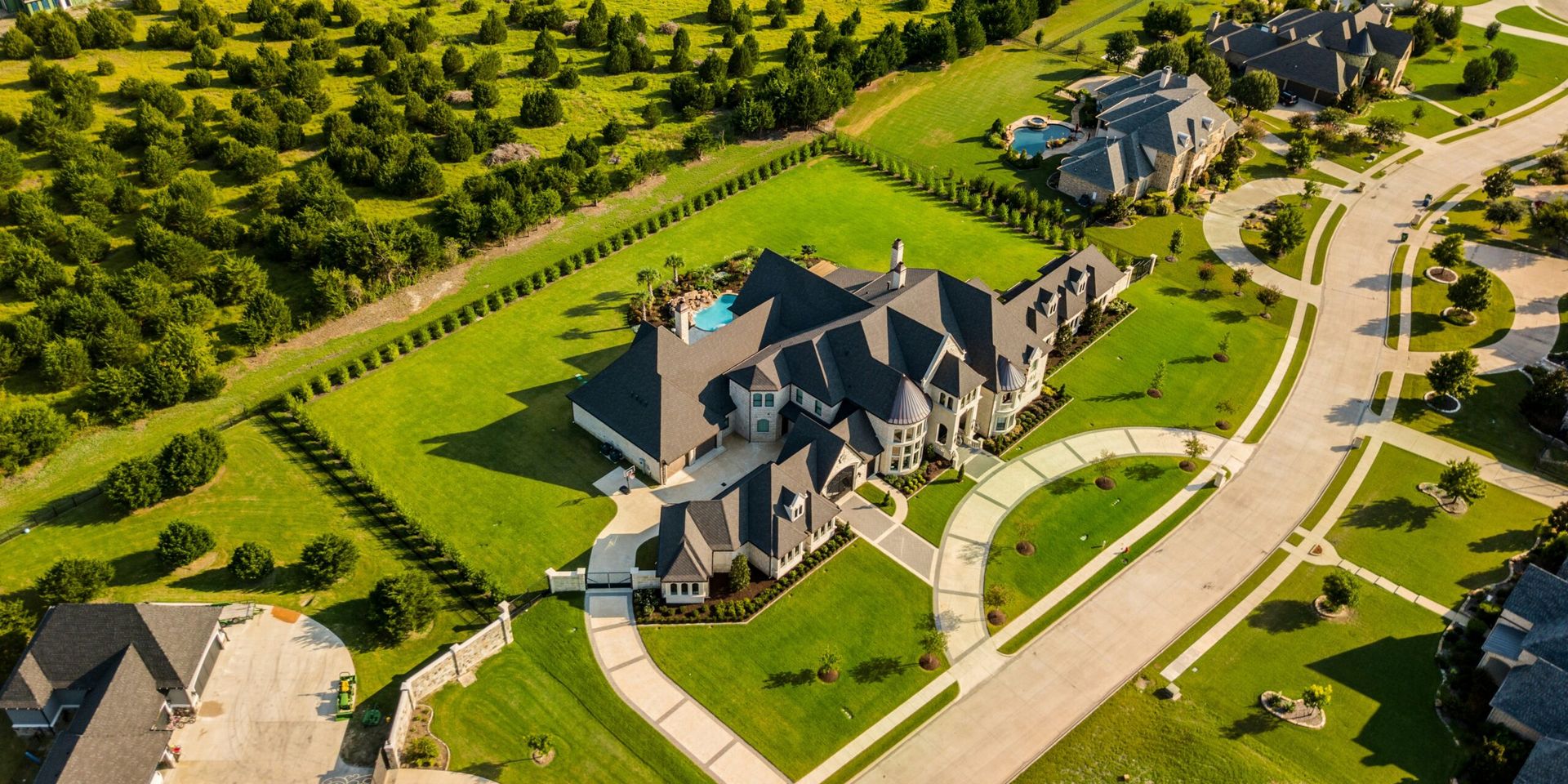
In an important move to combat the housing affordability crisis, the Los Angeles City Council has approved a landmark spending plan that directs $425 million from the newly implemented mansion tax to affordable housing initiatives. The mansion tax, which was introduced as Measure ULA, imposes a tax on luxury real estate transactions exceeding $5 million. The funds generated from the tax are being used to fund affordable housing development, homelessness prevention programs, and eviction defense efforts, making this allocation one of the most significant uses of the mansion tax revenue to date.
How the Mansion Tax Works
Measure ULA, which was passed by Los Angeles voters in 2024, levies a 4% tax on real estate sales over $5 million, with the tax rate increasing for properties valued above $10 million. The goal of the tax is to generate revenue that will be used to support affordable housing development and homelessness initiatives in the city. Since its inception, the mansion tax has been viewed as a critical step toward addressing the city’s growing housing crisis, where home prices have risen significantly, outpacing wage growth and making homeownership unattainable for many Angelenos.
The allocation of $425 million to affordable housing and homelessness prevention marks a pivotal moment in the city’s efforts to use local resources to fund housing solutions. With rising rents and a growing homeless population, the urgency of addressing Los Angeles’ housing crisis has never been greater.
How the Funds Will Be Used
The $425 million will be directed into several key areas:
Homelessness Prevention Programs: Over $100 million will be allocated to provide rental assistance, eviction defense services, and supportive housing for families at risk of homelessness. These programs aim to keep vulnerable residents in their homes and prevent further displacement in a city already struggling with a severe homelessness crisis.
Affordable Housing Development: More than $288 million will go toward the construction of new affordable housing units and the preservation of existing affordable properties. These funds will support the development of multifamily housing projects that can provide homes for low- and middle-income residents.
Reactions from the Real Estate and Housing Sectors
The implementation of the mansion tax and its allocation to affordable housing has been met with a mix of support and criticism. Developers and real estate professionals have voiced concerns about the potential impact the mansion tax could have on the high-end housing market, fearing that it may deter investment and lead to a slowdown in luxury property transactions.
In response, some real estate experts argue that the mansion tax could contribute to slowing down the city’s luxury property market, potentially leading to reduced sales in the high-end real estate sector. However, proponents of the tax, including city officials, argue that the funds generated are vital for addressing the severe housing shortages in Los Angeles and helping vulnerable populations secure stable housing.
“The mansion tax represents a step forward in ensuring that Los Angeles remains a city for everyone, not just the wealthy few,” said Los Angeles Mayor Karen Bass. “The funds we are directing into affordable housing will help us build a city that is inclusive and provides opportunities for all Angelenos.”
Challenges and Future Outlook
While the allocation of mansion tax funds represents a significant investment in affordable housing, experts caution that it will not immediately solve the city’s housing problems. Los Angeles still faces challenges in terms of zoning laws, construction costs, and the sheer scale of the need for affordable housing. However, the commitment to directing these funds into housing development is an important step in the right direction.
The continued success of the mansion tax and the affordable housing programs it funds will depend on how effectively the city can manage the funds, ensure that projects are completed on time, and address the growing need for affordable housing across Los Angeles.

Best Houses Contributor
Covers commercial property, development, and the zoning and regulation shaping where and how America builds.
This article features partner, contributor, or branded content from a third party. Members of the Best Houses editorial staff were not involved in the creation of this content. All views and opinions are those of the contributor alone.