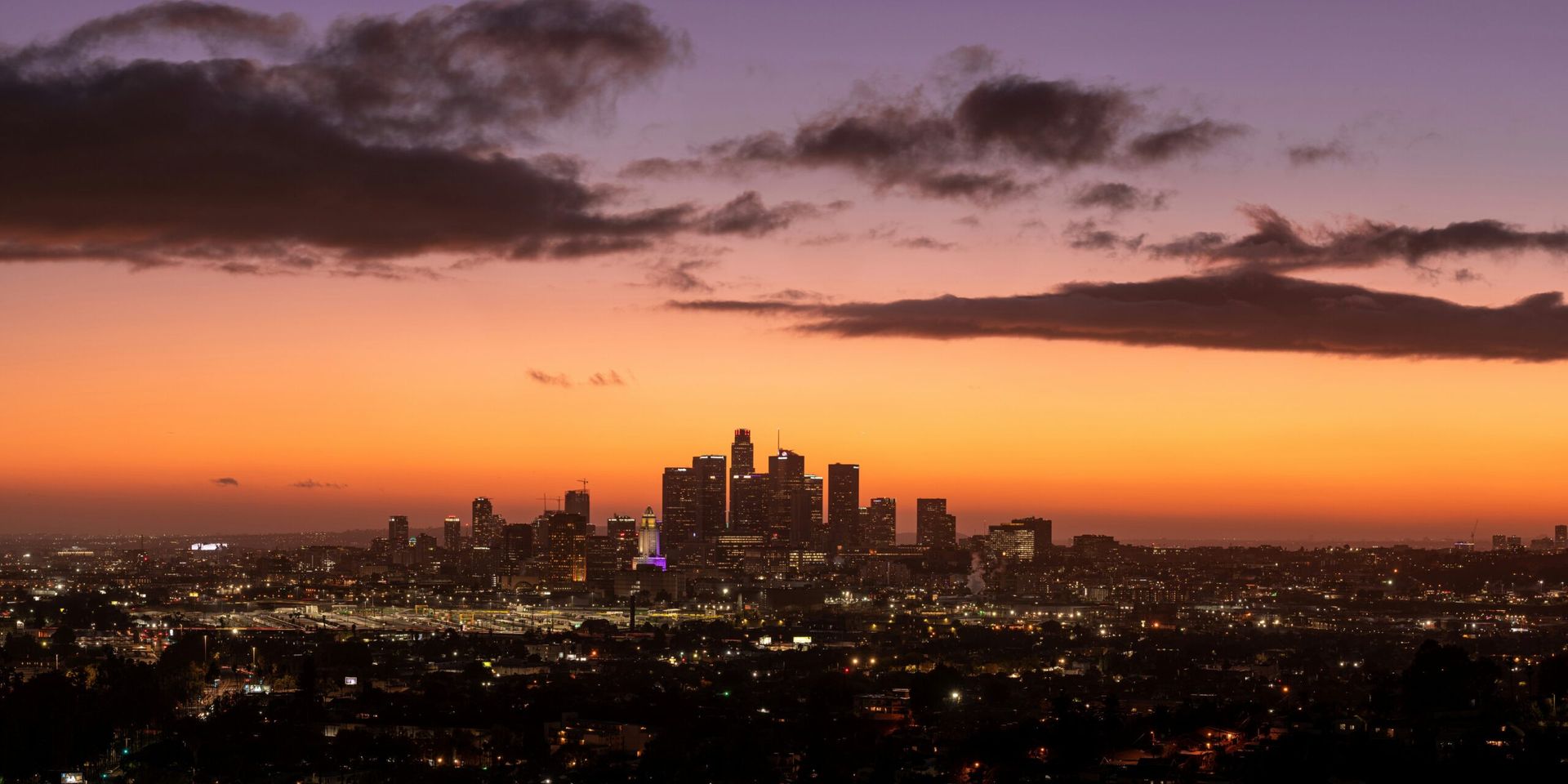
Los Angeles, a global economic and cultural powerhouse, is home to one of the most dynamic commercial real estate markets in the country. However, the market faces headwinds in 2025, as economic uncertainty and shifting demands are creating challenges for investors, developers, and property owners. Despite these challenges, certain sectors of the commercial real estate market in Los Angeles remain strong, making it a fascinating case study of resilience amid shifting trends.
Economic Background: A Changing Landscape
The broader economic environment plays a key role in the shifting dynamics of Los Angeles’ commercial real estate market. According to the U.S. Bureau of Economic Analysis (BEA), the national GDP growth rate slowed in early 2025 to just 2.1%, down from the previous year’s growth of 3.4%. This has had a trickle-down effect on commercial markets, especially in cities like Los Angeles where high stakes are involved in both office and retail sectors.
In addition to national economic concerns, Los Angeles faces unique challenges tied to its own regional economy. Inflation remains an issue for businesses and residents alike, contributing to slower consumer spending and the growing difficulty for businesses to stay afloat amid rising operational costs. This has influenced the commercial real estate sector as tenants struggle with rising rent prices while businesses become more cautious about committing to long-term leases.
Office Sector: Vacancy Rates on the Rise
The office space market in Los Angeles, which traditionally has been a cornerstone of the commercial real estate landscape, is experiencing rising vacancy rates in 2025. According to data from Cushman & Wakefield, vacancy rates in downtown Los Angeles surged to 19% in Q1 2025, the highest level in more than a decade. This increase in vacancies is attributed to several factors, including businesses downsizing their office footprints, the continuation of hybrid and remote work models, and the overall economic slowdown.
The trend of remote work, accelerated by the COVID-19 pandemic, has created long-lasting shifts in how companies approach office space. While some businesses are beginning to return to the office, many have embraced hybrid work models, with employees working from home part of the week and coming into the office on others. This means that companies are no longer in need of large, expansive office spaces. Instead, they are opting for smaller, flexible workspaces that can accommodate a reduced in-person workforce.
For landlords, this shift presents a challenge. Many property owners who had been leasing out large office spaces are now facing vacancies and the necessity to re-imagine their properties. A growing trend is the conversion of office buildings into mixed-use developments, where office spaces are combined with residential units, retail spaces, or entertainment facilities. These types of conversions are helping to rejuvenate struggling office buildings and transform them into vibrant community hubs.
Retail Sector: The Decline of Traditional Malls and the Rise of Experiential Retail
The retail sector, particularly traditional brick-and-mortar stores and shopping malls, continues to face challenges in Los Angeles. The proliferation of online shopping, especially during the pandemic, has fundamentally changed consumer behavior. According to the National Retail Federation, e-commerce sales grew by 16% in 2024, and the trend shows no sign of slowing down.
In Los Angeles, this shift has led to the closure of many traditional retail stores. Malls that once served as anchors of communities, such as the Beverly Center and the Westfield Century City Mall, have seen foot traffic decline. However, the shift towards experiential retail – where consumers visit stores not just for shopping but for experiences – is helping to revitalize some parts of the retail market.
Businesses like Amazon, Apple, and Nike are investing heavily in experiential retail, where consumers can interact with products, try them out, and even attend live events in-store. At the Westfield Century City Mall, for instance, a new food hall, augmented reality-based experiences, and live performances have been introduced to draw in visitors. The focus is no longer solely on shopping but on creating a destination experience.
Another factor influencing the retail market is the growth of “pop-up shops” and short-term leases. Retailers are increasingly opting for temporary spaces that can cater to new, limited-time collections or special promotions. This flexible retail model has given brands the ability to adjust to changing market conditions while reducing the risk of long-term lease commitments.
Industrial Sector: Logistics and Distribution Remain Strong
The industrial sector in Los Angeles has proven to be one of the most resilient, driven by the continued demand for logistics and distribution space. In a city that sits at the heart of global trade, with the Port of Los Angeles being the busiest container port in the U.S., the demand for industrial real estate remains robust.
A major driver of the industrial market’s strength is the boom in e-commerce, which has led to greater demand for warehouses, distribution centers, and last-mile delivery hubs. In Los Angeles, particularly around the Inland Empire and greater Southern California, demand for industrial space has led to lower vacancy rates and rising rental prices. According to CBRE, the vacancy rate for industrial properties in the greater Los Angeles area stood at just 2.5% in Q1 2025, with rents climbing steadily.
The rise of the “on-demand economy” has also contributed to the surge in logistics space demand. As consumers increasingly expect faster delivery times, companies are investing in advanced supply chain solutions and last-mile distribution networks. Los Angeles is perfectly positioned to benefit from this trend due to its strategic location and the highly developed infrastructure that supports goods movement.
Conclusion: Resilience Amid Challenges
The Los Angeles commercial real estate market in 2025 is facing a period of transformation and challenge, but it is also showing resilience. While the office and retail sectors face headwinds, the industrial sector remains a bright spot in the market. The shift towards mixed-use developments, experiential retail, and more flexible leasing models are all part of the larger trend of adapting to changing consumer demands and behaviors.
As Los Angeles continues to navigate economic uncertainty and industry disruption, the key to success for investors, property owners, and developers will be their ability to remain flexible and responsive to the needs of tenants. The next few years will likely see continued evolution in the commercial real estate market as Los Angeles adapts to the new realities of work, retail, and logistics.

Best Houses Contributor
Covers commercial property, development, and the zoning and regulation shaping where and how America builds.
This article features partner, contributor, or branded content from a third party. Members of the Best Houses editorial staff were not involved in the creation of this content. All views and opinions are those of the contributor alone.