Los Angeles has long been one of the most sought-after markets for commercial real estate, attracting global investors, developers, and businesses. However, in 2025, the commercial real estate landscape in Los Angeles is facing significant changes driven by shifting economic factors, work culture transformations, and evolving market dynamics. As businesses adapt to new operational models, the demand for commercial spaces is shifting, presenting both challenges and opportunities for investors and developers in the region.
The Impact of Hybrid Work on Office Space Demand
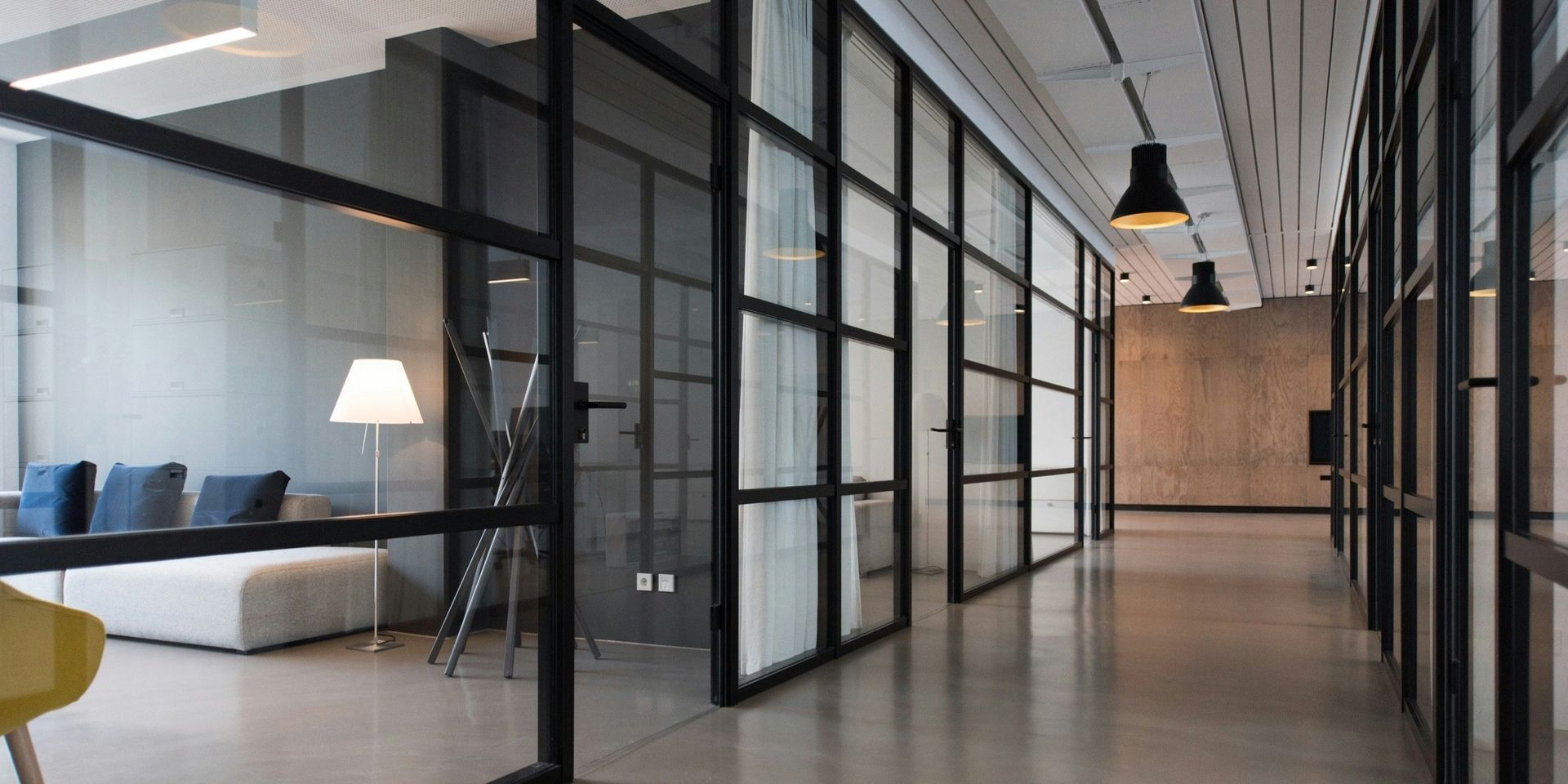
The hybrid work model, which emerged during the COVID-19 pandemic and has become increasingly popular, continues to influence office space demand in 2025. Many businesses have embraced hybrid and remote work options, reducing their need for large office spaces. As a result, office vacancies in Los Angeles have increased, particularly in downtown areas where office buildings traditionally made up a significant portion of the market.
Data from CBRE, a global real estate services firm, shows that office vacancy rates in Los Angeles’ central business district have risen to nearly 20%, compared to a pre-pandemic rate of around 10%. As businesses continue to embrace flexible work arrangements, the demand for traditional office space is decreasing, particularly for large, single-use buildings.
However, some businesses are still looking for flexible and adaptable spaces. Co-working spaces have surged in popularity in 2025, with companies like WeWork, Regus, and Industrious expanding their footprint across Los Angeles. These co-working providers offer companies the ability to downsize their office space while maintaining flexibility for employees to work both remotely and in-person. The growth of the flexible office market is helping to offset some of the declines in demand for traditional office buildings.
The Resilient Retail Sector: Shifting Trends
The retail sector in Los Angeles has faced its own set of challenges in recent years, as the rise of e-commerce continues to disrupt brick-and-mortar retail stores. However, 2025 is showing a mixed picture for retail real estate, with some areas seeing growth while others continue to struggle.
Luxury retail remains strong in Los Angeles, particularly in high-end shopping districts such as Beverly Hills, Rodeo Drive, and Melrose Avenue. Global luxury brands, including Gucci, Louis Vuitton, and Chanel, continue to expand their presence in the city, catering to affluent locals and international tourists. These high-end retail areas are expected to continue performing well, driven by strong consumer spending and tourism, which has rebounded significantly in 2025 after pandemic restrictions were lifted.
On the other hand, shopping malls and traditional retail centers are facing continued pressure from the rise of e-commerce. Many retailers are closing physical stores or downsizing their operations as they shift focus to online sales. In particular, malls in suburban areas are seeing increased vacancies, as consumers increasingly opt for online shopping. According to a report from Cushman & Wakefield, vacancy rates in regional malls in Los Angeles have risen to 14%, a notable increase from previous years.
However, experiential retail is a growing trend that is helping to revitalize certain retail spaces. Consumers are increasingly seeking out in-person experiences, such as interactive pop-up stores, branded events, and immersive experiences. This shift is driving demand for retail spaces that offer more than just products for sale. Retail landlords are increasingly looking to attract tenants who can provide unique, experience-driven offerings to draw customers in. Pop-up shops, art installations, and live events are becoming more common in Los Angeles’ shopping districts, helping to create more engaging and memorable experiences for shoppers.
The Surge in Industrial Real Estate Demand
While office and retail sectors have faced challenges, the industrial real estate market in Los Angeles is booming in 2025. The rise of e-commerce and the ongoing need for last-mile delivery centers have created a surge in demand for warehouses, distribution centers, and logistics hubs.
Los Angeles’ strategic location, with access to the Port of Los Angeles, makes it a key player in the logistics and supply chain industry. The Inland Empire, just east of Los Angeles, has become one of the fastest-growing industrial real estate markets in the country. According to a report from Colliers International, industrial vacancy rates in the Inland Empire have fallen to just 3.5%, a historic low, as demand for warehouse space remains robust.
Major companies like Amazon, Walmart, and FedEx are expanding their operations in the region, with large-scale warehouses and distribution centers under construction. These facilities are essential to meeting the increasing demand for quick delivery times, as consumers expect faster and more efficient shipping. The continued growth of e-commerce has led to increased demand for last-mile delivery facilities, which are located closer to urban areas like Los Angeles.
Investors are capitalizing on this growth, with many looking to acquire industrial properties in the Inland Empire and surrounding areas. Industrial real estate is expected to continue performing well, offering strong returns for investors seeking stable, long-term income streams.
The Challenges and Opportunities Ahead
While the Los Angeles commercial real estate market is experiencing growth in certain sectors, there are several challenges to navigate. Rising construction costs, supply chain disruptions, and labor shortages are making it more difficult to build new commercial properties. Developers are also facing increased regulatory hurdles as the city implements new zoning laws and sustainability standards.
However, the market is also full of opportunities. Adaptive reuse projects, where old office buildings or warehouses are repurposed for new uses, are becoming increasingly popular. These projects allow developers to transform older, underutilized buildings into modern, flexible spaces that can accommodate changing tenant demands. The office-to-residential conversion trend is also gaining momentum, as Los Angeles looks to address its housing shortage by repurposing vacant office buildings into residential units.
In conclusion, the Los Angeles commercial real estate market in 2025 is characterized by change and adaptation. While office and retail markets face challenges, the industrial sector is thriving, and flexible spaces and experiential retail are on the rise. Investors, developers, and businesses must stay agile to capitalize on the opportunities presented by these shifts.

Best Houses Contributor
Covers commercial property, development, and the zoning and regulation shaping where and how America builds.
This article features partner, contributor, or branded content from a third party. Members of the Best Houses editorial staff were not involved in the creation of this content. All views and opinions are those of the contributor alone.