The Los Angeles commercial real estate market in 2025 is showing resilience and adaptability in the face of a rapidly changing economic landscape. Over the past few years, the market has been tested by various factors, including the pandemic, rising interest rates, and shifts in demand. However, 2025 marks a turning point as the market stabilizes and sectors like office spaces, industrial properties, and retail establishments adapt to new realities. From hybrid work models to the rise of e-commerce, commercial real estate in LA is evolving to meet the demands of a modern economy.
Office Spaces: Adapting to Hybrid Work
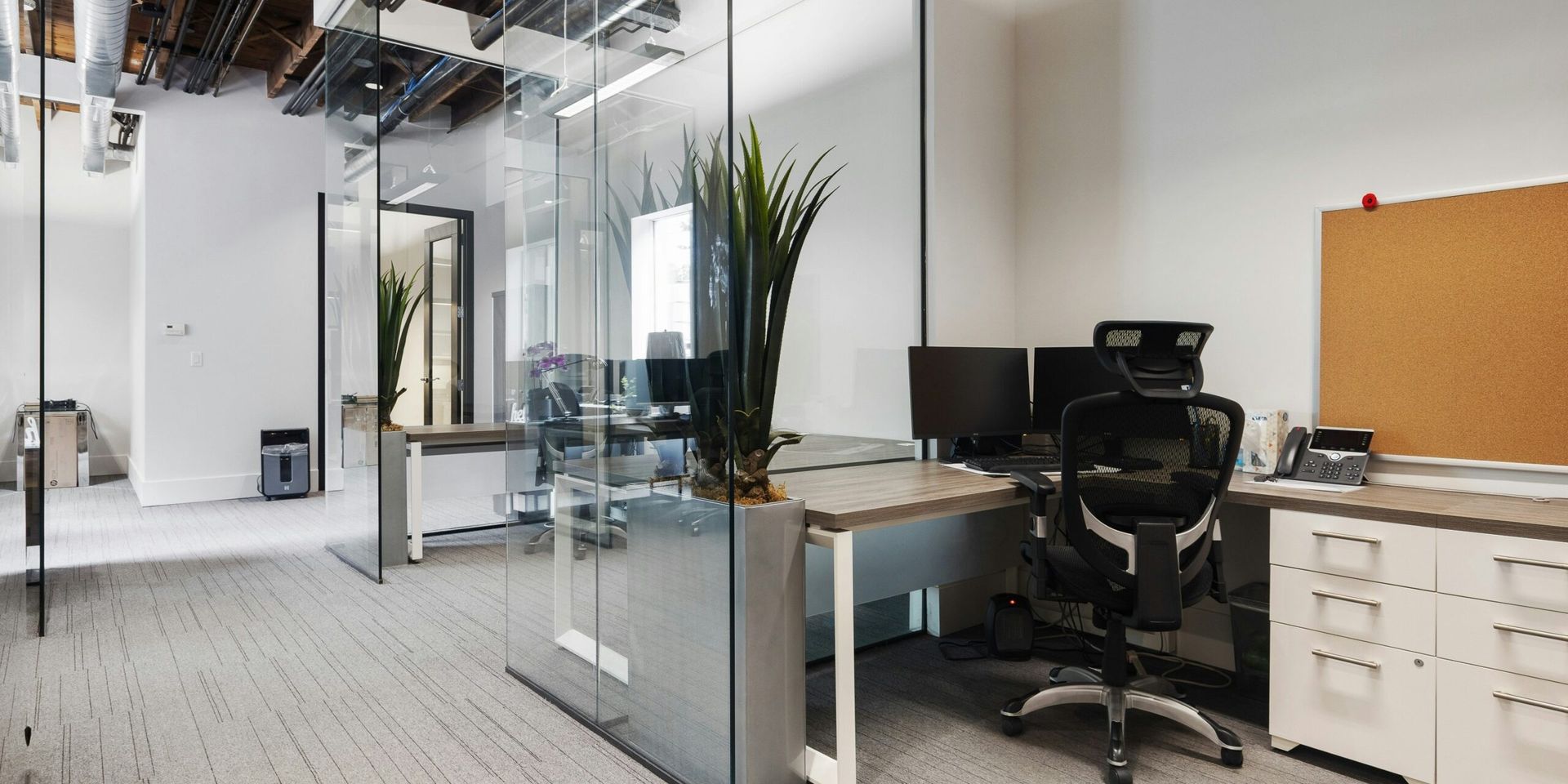
In 2025, the commercial office space market is continuing to adjust to the post-pandemic reality, where many businesses have adopted hybrid or fully remote work models. This shift has caused demand for traditional office spaces to slow down in some areas, while creating a greater need for flexible workspaces that cater to the changing needs of employees and employers.
In the heart of downtown Los Angeles, properties like the 1100 Wilshire Building have responded to these trends by offering flexible lease options and smaller office suites that appeal to startups and remote-first companies. For larger corporations, there has been a pivot to creating more collaborative, tech-enabled workspaces that foster creativity and connectivity among employees who may only come into the office a few days per week.
According to CBRE, one of the world’s leading commercial real estate services firms, the demand for office space in LA has remained stable, but businesses are now more focused on flexible leases, coworking spaces, and short-term rental options. Commercial real estate agents have noted that tenants are seeking offices with state-of-the-art amenities that can accommodate a hybrid workforce. Companies that previously occupied large, traditional office buildings are now opting for shared spaces in centrally located neighborhoods like Santa Monica and Venice, where there is greater flexibility for employees who may not need a permanent desk.
Industrial Real Estate: E-Commerce Drives Demand
The industrial real estate sector in Los Angeles has been one of the standout performers in 2025, largely due to the continued growth of e-commerce and supply chain needs. As online shopping continues to boom, demand for distribution centers, warehouses, and fulfillment centers has surged. Los Angeles, with its proximity to the Port of Los Angeles, one of the busiest ports in the world, has seen a dramatic increase in demand for industrial properties.
In particular, neighborhoods like Commerce, South Los Angeles, and Inglewood have experienced a rise in new industrial developments, catering to e-commerce giants like Amazon and Walmart, as well as smaller, local distributors. These businesses require expansive facilities to store inventory, fulfill online orders, and streamline shipping processes. With the growth of online shopping, demand for last-mile delivery centers—facilities that are closer to consumers to ensure faster delivery times—has significantly increased.
Real estate experts suggest that industrial properties in Southern California will continue to see strong demand in 2025 and beyond. The rise of automation and robotics in warehouses has further driven growth, as businesses invest in technology to increase operational efficiency. The 2025 Southern California Industrial Real Estate Outlook report from NAI Capital predicts that the market will remain strong, with vacancy rates expected to stay low due to sustained demand.
Retail Real Estate: Experiential Retail and Community-Centered Spaces
The retail sector in Los Angeles has been one of the most impacted by the pandemic, with traditional brick-and-mortar stores seeing a significant decline in foot traffic. However, 2025 marks a year of transformation as retailers shift their strategies to focus on experiential retail and creating spaces that engage consumers in new ways.
Retailers are increasingly focusing on creating experiences rather than just selling products. For example, stores like Nike and Apple in Westfield Century City are designed to offer unique experiences, such as interactive product displays and in-store events that attract customers beyond simple transactions. These types of stores are becoming more common in Los Angeles’ shopping districts, as retailers seek to offer value-added services that go beyond the typical retail experience.
In addition to experiential spaces, there has been a push toward community-centered retail. Developers are now focusing on mixed-use developments that combine retail with residential, office, and entertainment spaces. Projects like The Grove and The Americana at Brand have set the tone for these types of developments, offering both high-end shopping and communal spaces where people can gather, relax, and enjoy events. These developments aim to create neighborhoods where people can live, work, and shop in one location, fostering a sense of community and connection.
Market Trends: What’s Next for LA’s Commercial Real Estate?
In 2025, the commercial real estate market in Los Angeles is reflecting a shift toward more sustainable, tech-driven, and flexible spaces. Developers are increasingly integrating eco-friendly features, such as energy-efficient HVAC systems, solar panels, and electric vehicle charging stations, into their projects to meet the demand for sustainability.
One such example is The District at Tustin Legacy, a large-scale commercial development in Orange County, which has incorporated green building standards and a focus on eco-friendly transportation. This trend is expected to continue across LA, as businesses and tenants alike seek environmentally responsible spaces that align with their sustainability goals.
Another key trend is the increasing use of technology to enhance the real estate experience. The integration of smart building systems, artificial intelligence (AI), and Internet of Things (IoT) technology is making it easier for companies to manage their properties and streamline operations. In addition, data-driven insights are allowing developers to better understand tenant needs, improving leasing strategies and property management.
Conclusion: The Future of Commercial Real Estate in LA
The Los Angeles commercial real estate market in 2025 is navigating a period of transformation and innovation. The market is adapting to shifting trends in work culture, e-commerce, and consumer behavior, and while challenges remain, there is ample opportunity for growth. As the city continues to evolve, so too will its commercial real estate landscape, offering dynamic spaces that cater to the needs of modern businesses and consumers.

Best Houses Contributor
Covers commercial property, development, and the zoning and regulation shaping where and how America builds.
This article features partner, contributor, or branded content from a third party. Members of the Best Houses editorial staff were not involved in the creation of this content. All views and opinions are those of the contributor alone.