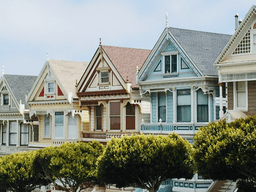
The Los Angeles housing market is showing signs of stability and modest growth as we enter the summer of 2025. After experiencing wild fluctuations in home prices over the past several years, particularly during and after the pandemic, the market appears to have settled into a more balanced state, with home prices continuing to rise but at a slower pace. This trend is providing some relief to both homebuyers and sellers who have faced a highly competitive and unpredictable market in recent years.
According to a recent report by the California Association of Realtors (CAR), the median home price in Los Angeles County rose by 4.5% in May 2025 compared to the same month last year. While the increase is substantial, it represents a slowdown from the double-digit price gains seen in the past few years, particularly during the pandemic-era housing boom. Home prices are still significantly higher than they were before the pandemic, but the market’s recent stabilization indicates that the rate of appreciation may be leveling off, allowing buyers to enter the market more easily.
Low Inventory Still a Key Factor
One of the key factors driving the continued increase in home prices is the persistently low inventory of homes for sale. Despite a more stable market, there are still fewer homes on the market than there are potential buyers. In May 2025, the number of homes for sale in Los Angeles County was down by 12% compared to the same month in 2024, continuing the trend of tight inventory. This shortage of homes has made it difficult for many buyers to find affordable properties, particularly in sought-after neighborhoods like Santa Monica, Beverly Hills, and Echo Park.
The lack of inventory has led to continued competition among buyers, particularly in the lower and mid-price ranges. For example, homes priced between $500,000 and $1 million are seeing the most activity, with many listings receiving multiple offers. Although bidding wars are no longer as intense as they were during the height of the pandemic, many homes are still selling for above asking price, especially in desirable locations.
The lack of inventory is largely due to a combination of factors, including homeowners’ reluctance to sell in a high-interest-rate environment, the ongoing shortage of new construction, and the city’s tight zoning laws. Many homeowners who locked in low mortgage rates during the pandemic are hesitant to sell their properties and buy a new one, given the higher interest rates currently being offered by lenders. As a result, fewer homes are hitting the market, exacerbating the inventory shortage.
Impact of Interest Rates on the Housing Market
Mortgage interest rates have been one of the primary factors affecting the Los Angeles housing market. The Federal Reserve’s decision to raise interest rates multiple times in 2023 and 2024 to combat inflation has led to higher mortgage rates, which have had a cooling effect on the housing market. As of June 2025, the average 30-year fixed mortgage rate is hovering around 6.5%, which is significantly higher than the rates seen in recent years.
For buyers, higher interest rates mean higher monthly mortgage payments, making it more difficult to afford homes. According to CAR’s latest data, the average monthly payment for a new homebuyer in Los Angeles has increased by 20% over the past year, adding a financial burden to those trying to break into the market. First-time buyers, in particular, have been hit hardest by the increase in rates, as many of them are already facing high home prices and limited down payment resources.
However, despite these challenges, the demand for homes in Los Angeles remains strong. High demand, coupled with limited inventory, has helped keep home prices from falling, even as interest rates remain elevated. This indicates that the city’s real estate market is still seen as a strong investment by both local and out-of-state buyers.
Suburban Shift and Changing Preferences
Another trend affecting the Los Angeles housing market in 2025 is the continued suburban shift. Many buyers are now opting to purchase homes outside of the densely populated urban core in search of more space, better schools, and more affordable options. Neighborhoods in the San Fernando Valley, the South Bay, and parts of East Los Angeles are seeing increased interest from homebuyers who are looking to escape the high costs of living in neighborhoods like West Hollywood and Downtown Los Angeles.
Additionally, the demand for larger homes and properties with home office spaces has remained strong, as many people continue to work remotely or in hybrid arrangements. Suburbs, which offer larger homes and more affordable prices, have become more attractive to these buyers. The trend toward suburban living is also driving increased interest in newly built homes, particularly in areas like Calabasas, Woodland Hills, and Pasadena, where new developments are meeting the growing demand for space.
As the housing market stabilizes, experts are predicting that the trend toward suburban living will continue, especially as the remote work phenomenon shows no signs of disappearing. While the urban core of Los Angeles remains a hub for culture, business, and entertainment, suburban neighborhoods are becoming increasingly desirable for those seeking more affordable options and better quality of life.
Outlook for the Rest of 2025
Looking ahead, experts predict that the Los Angeles housing market will continue to experience steady growth, but at a more moderate pace. While the inventory shortage and high demand will keep prices from falling significantly, the continued rise in interest rates could dampen some of the market’s momentum. As long as mortgage rates remain relatively high, the pool of potential buyers may be limited, keeping the market from overheating once again.
However, Los Angeles is a resilient market, and with its thriving economy, diverse population, and continued demand for housing, the outlook remains positive for both buyers and sellers. The key will be to balance supply and demand, with a focus on increasing housing inventory through new construction and easing some of the zoning restrictions that have hindered development.
As the year progresses, buyers, sellers, and real estate professionals will need to stay attuned to changes in the market, particularly regarding interest rates and inventory levels. For now, the Los Angeles housing market appears to be finding a sustainable balance, making it an attractive place to live, work, and invest.

Best Houses Contributor
Covers residential real estate and the agents behind it, from listings and design to the deals that close.
This article features partner, contributor, or branded content from a third party. Members of the Best Houses editorial staff were not involved in the creation of this content. All views and opinions are those of the contributor alone.