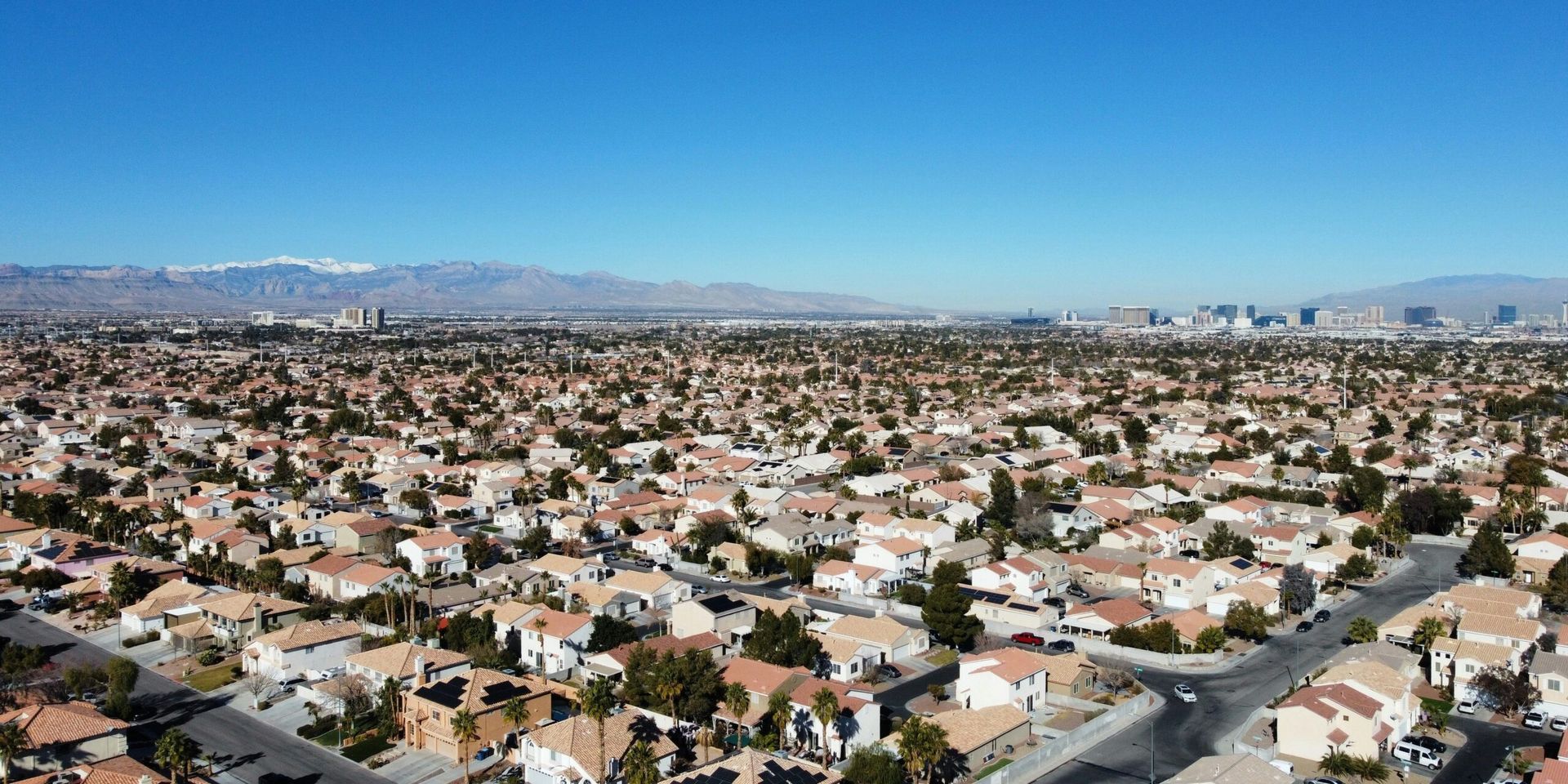
The Los Angeles housing market has proven unexpectedly robust in early 2025, maintaining steady growth despite broader economic headwinds such as rising mortgage rates, inflationary pressures, and ongoing national uncertainties. Data from the first quarter of the year reveals a market characterized by constrained inventory, steady demand, and continued price appreciation, creating a complex landscape that balances challenges with underlying strength.
Sustained Price Growth Defies National Trends
According to the California Association of Realtors (CAR), the median home price in Los Angeles County increased by 9.3% year-over-year in the first quarter of 2025, reaching $1,060,000. This rate of growth stands in contrast to many other major U.S. housing markets, where prices have begun to plateau or decline following years of rapid escalation.
Market analysts attribute Los Angeles’ relative stability to several intertwined factors. Foremost among them is the city’s geographic and regulatory constraints that limit new housing development. The scarcity of available land and restrictive zoning laws keep housing supply tight, which, combined with persistent demand, exerts upward pressure on prices.
Los Angeles continues to attract job growth, particularly in sectors such as technology, entertainment, healthcare, and professional services, fueling sustained buyer interest. Companies like Snap Inc., Netflix, and various startups continue to expand their local footprint, drawing skilled workers who need housing.
Inventory Shortage and Affordability Challenges
Despite the market’s resilience, the persistent shortage of homes available for sale remains a major challenge. The CAR reports that active listings in Los Angeles County have dropped by roughly 15% compared to the previous year. This inventory drought contributes significantly to price appreciation but simultaneously intensifies the city’s longstanding affordability crisis.
Affordable housing advocates emphasize that while luxury and mid-tier housing markets perform well, many lower- and moderate-income residents are increasingly priced out. This imbalance fuels housing insecurity and homelessness, which remain pressing social issues in the region.
Data from the Los Angeles Homeless Services Authority (LAHSA) highlights that in 2024, homelessness in Los Angeles County reached approximately 70,000 individuals, with housing affordability a key factor. The city has responded with various initiatives aimed at increasing affordable housing stock and providing supportive services for vulnerable populations.
Shifts in Buyer Behavior and Financing Trends
Rising mortgage interest rates, which have climbed from historically low levels but remain moderate relative to past decades, have prompted shifts in buyer behavior. Many prospective homeowners now adjust expectations, prioritizing smaller homes, condominiums, or neighborhoods offering better value.
First-time buyers face particular difficulties, confronted by higher down payment requirements, competition from investors, and increased monthly mortgage costs. To mitigate these barriers, alternative financing models have gained traction, including shared equity programs, community land trusts, and government-backed assistance schemes.
One such initiative is the California Homebuyer’s Assistance Program, which provides down payment support to eligible buyers, aiming to increase access to homeownership for middle- and lower-income families.
Policy and Development Responses to Housing Challenges
Recognizing the intertwined nature of supply constraints and affordability, city and state governments have enacted numerous measures to stimulate housing development and protect tenants.
The City of Los Angeles has pursued streamlined permitting processes designed to reduce bureaucratic delays that slow construction. Efforts include the adoption of Transit-Oriented Communities (TOC) guidelines, which incentivize affordable housing development near public transit hubs through zoning bonuses.
Statewide, the California Housing Accelerator Program, launched in late 2024, allocates billions in funding to local governments and developers to expedite affordable housing projects, reduce homelessness, and enhance infrastructure.
Rent stabilization remains a contentious but important policy pillar. Los Angeles maintains one of the strongest rent control ordinances in the nation, which protects many tenants from steep rent hikes but also faces criticism from some landlords and developers who argue it discourages new housing construction.
The Los Angeles Housing Department continues to expand homelessness prevention programs, tenant protections, and supportive housing initiatives, focusing on vulnerable groups including veterans, seniors, and families.
Economic Indicators and Market Outlook
Despite economic headwinds—such as inflationary pressures that have pushed consumer prices higher and cautious monetary policy by the Federal Reserve—Los Angeles’ housing market demonstrates resilience.
Economists suggest this resilience is partly due to the city’s diversified economy and ongoing in-migration trends. Los Angeles remains a magnet for domestic and international migrants, attracted by its cultural amenities, economic opportunities, and climate.
However, experts caution that the market faces a transitional period. Continued interest rate increases or significant economic downturns could dampen buyer demand, while persistent supply limitations may exacerbate affordability concerns.
Real estate research firms such as CoreLogic forecast moderate home price growth of 3-5% annually over the next several years, contingent on balanced progress in housing supply and economic conditions.
Community Perspectives and Calls for Equity
Community groups emphasize the need for inclusive growth that addresses systemic inequalities in housing access. The Los Angeles Tenants Union and similar organizations advocate for expanded rent control, tenant legal aid, and measures to combat displacement.
Efforts to incorporate more affordable housing units into new developments, often mandated through inclusionary zoning laws, are considered essential to ensuring long-term housing equity.
Additionally, local leaders call for improved transit infrastructure and social services to support housing stability and quality of life for residents across income levels.

Best Houses Contributor
Covers proptech and housing data, and the tools changing how homes are bought, sold, and financed.
This article features partner, contributor, or branded content from a third party. Members of the Best Houses editorial staff were not involved in the creation of this content. All views and opinions are those of the contributor alone.