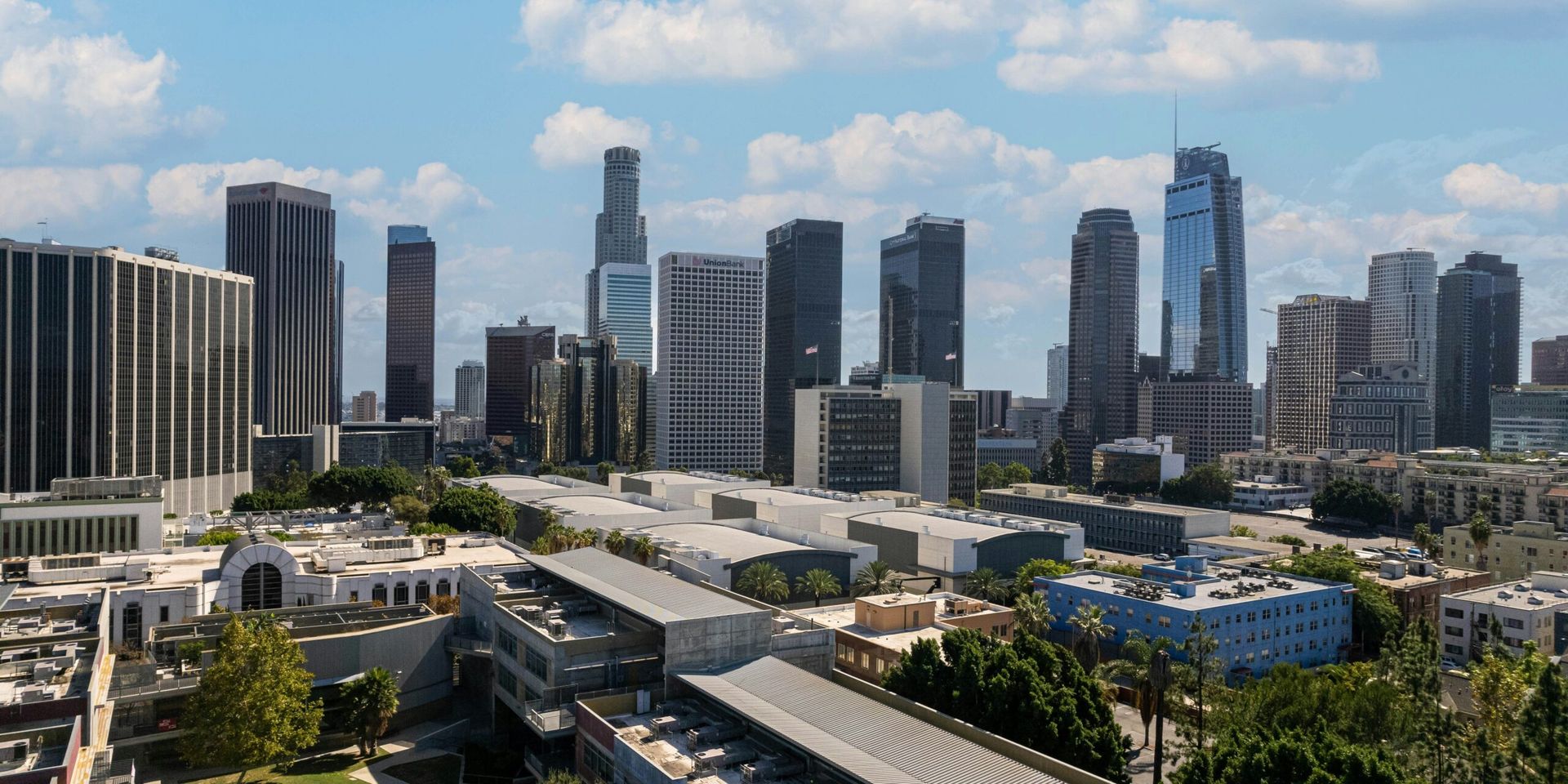
As the calendar turns to mid-2025, the Los Angeles housing market is beginning to show signs of stabilization after years of rapid price increases. Following a period of historically high home prices, particularly in the wake of the COVID-19 pandemic, the real estate market in LA is shifting toward a more balanced environment. While prices are still high, the rate of increase is slowing down, providing some relief for buyers who were once priced out of the market.
The Moderation of Price Increases
Over the past few years, the Los Angeles housing market experienced explosive price growth, driven by a combination of low mortgage rates, increased demand, and limited housing supply. In 2023 and 2024, the city saw year-over-year price increases of over 10%, with some neighborhoods experiencing even higher rates of growth. However, in 2025, the median home price in Los Angeles has risen by just 9% over the last 12 months, signaling a slower pace of growth.
This shift comes as mortgage rates have risen to around 6.5% for a 30-year fixed loan, which has reduced the affordability of home purchases. While these rates are still relatively low compared to historical standards, they are much higher than the ultra-low rates of the previous few years. As a result, potential buyers are more cautious about entering the market, leading to a deceleration in price increases.
Increased Housing Inventory and Buyer Demand
Along with the moderation in price growth, there has been a slight increase in housing inventory in Los Angeles. According to data from the California Association of Realtors (C.A.R.), the number of homes available for sale in Los Angeles County has increased by 4% year-over-year. While this increase is modest, it marks a significant shift from the inventory shortages that plagued the market in recent years.
The increase in inventory is providing more options for buyers, who have struggled with limited choices in the past. However, the inventory is still far below pre-pandemic levels, and the demand for homes remains strong, particularly in desirable neighborhoods like West LA, Santa Monica, and Echo Park. As a result, the market remains competitive, though less frenzied than in previous years.
The increase in inventory is also partly due to new housing developments. While the construction of new homes has not fully kept up with demand, there has been a notable rise in the number of multifamily housing units being built, particularly in areas near public transit and employment hubs. These new developments are expected to help alleviate some of the pressure on the market and provide more affordable housing options for renters and buyers.
Affordability Challenges for First-Time Homebuyers
Despite the stabilization of prices, affordability remains a significant challenge for many first-time homebuyers in Los Angeles. The median home price of $1.06 million is still well beyond the reach of many prospective buyers, particularly those without significant savings or financial assistance from family members. The high cost of living in Los Angeles, combined with rising mortgage rates, has made it difficult for many individuals and families to break into the housing market.
For first-time buyers, the slower pace of price growth provides some relief, but the barrier to entry remains high. According to a recent survey from Zillow, nearly 70% of first-time homebuyers in Los Angeles say they are struggling to afford a down payment, with many opting to delay their home purchases due to the high costs involved.
To combat this, several local government programs are offering down payment assistance and other resources for first-time buyers. These programs aim to help individuals with low to moderate incomes achieve homeownership, though demand for these resources often exceeds supply.
Investor Activity and the Rental Market
The investor market in Los Angeles is still active, particularly in the multifamily sector. As homeownership remains out of reach for many Angelenos, the demand for rental properties remains strong. Investors are capitalizing on this demand by purchasing apartment buildings and rental homes, particularly in high-demand areas near employment centers and transit corridors.
The multifamily rental market in Los Angeles continues to benefit from strong demand, with average rents increasing by 6% year-over-year. While rent growth has slowed slightly compared to the previous years, rental properties remain a solid investment for those looking to capitalize on the city’s strong population growth and ongoing demand for housing.
The Future of the Los Angeles Housing Market
Looking ahead, the outlook for the Los Angeles housing market remains cautiously optimistic. Experts predict that home prices will continue to rise at a moderate pace in the coming months, but the rate of increase will be slower than in recent years. The market is expected to remain competitive, particularly in desirable neighborhoods, but the increase in inventory and the slowdown in price growth should provide more opportunities for buyers.
While affordability remains a concern, the stabilization of the market is a welcome sign for many prospective buyers who have struggled to compete in the high-stakes environment of the past few years. For investors, the rental market remains a strong area of interest, especially as the city’s population continues to grow and demand for housing remains high.

Best Houses Contributor
Covers proptech and housing data, and the tools changing how homes are bought, sold, and financed.
This article features partner, contributor, or branded content from a third party. Members of the Best Houses editorial staff were not involved in the creation of this content. All views and opinions are those of the contributor alone.