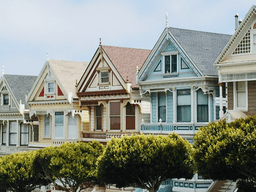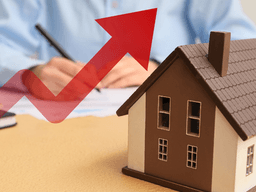
After a period of significant price increases and intense competition, the Los Angeles housing market is showing signs of stabilization in 2025. While housing prices remain high, recent trends indicate that the rapid price growth of previous years is beginning to slow down. Several factors, including rising mortgage rates and growing concerns over affordability, are influencing the market dynamics in Los Angeles.
The Slowdown in Home Price Growth
In 2025, the median home price in Los Angeles has increased by 2.9%, reaching $909,400, according to the California Association of Realtors. This represents a notable deceleration compared to the double-digit percentage increases in home prices seen over the past few years. Despite this slowdown, Los Angeles remains one of the most expensive housing markets in the United States, with home prices still far out of reach for many middle-class families.
Rising mortgage rates have contributed significantly to the cooling of the housing market. The average 30-year fixed mortgage rate has climbed to 6.8%, up from a pandemic-era low of 3.5%. This increase in borrowing costs has made it more difficult for buyers to afford homes, particularly first-time buyers who may have been able to purchase homes at lower rates in previous years.
The Continued Impact of Housing Inventory Shortages
One of the primary reasons for the high prices in Los Angeles is the continued shortage of housing inventory. New construction has not kept up with demand, and many potential buyers are competing for a limited number of available homes. While construction activity has picked up in some areas, zoning laws, building regulations, and the high cost of labor and materials are contributing to delays in new housing development.
The city’s push to build more affordable housing has been met with mixed success. In 2025, Los Angeles is on track to meet its goal of constructing 50,000 new affordable housing units over the next five years, but critics argue that the city needs to do more to address the housing crisis. The slow pace of construction is exacerbating the problem, and many Angelenos are finding it increasingly difficult to secure affordable housing options.
The Growing Rental Market
While homeownership is becoming less attainable for many Angelenos, the rental market in Los Angeles remains strong. Rent prices have continued to rise, with the average rent for a one-bedroom apartment in Los Angeles now hovering around $2,400 per month. The demand for rental properties remains high, particularly in desirable neighborhoods like West Hollywood, Santa Monica, and Silver Lake.
The rental market is also being impacted by short-term vacation rentals, such as those listed on platforms like Airbnb. Many property owners are opting to list their units as short-term rentals instead of long-term leases, which is further reducing the supply of available rental properties. This has driven up rental prices and made it even more difficult for renters to find affordable housing.
Government Efforts to Address Housing Affordability
The issue of housing affordability remains one of the most pressing challenges facing Los Angeles. In response, local government officials have pushed for policies to increase affordable housing supply and protect renters. Mayor Karen Bass has made housing a priority, advocating for measures such as rent control, tenant protections, and incentives for developers to build more affordable units.
The city has also focused on streamlining the permitting process to make it easier and faster to build new housing. In addition, several new housing developments are focused on low-income and middle-class families, offering affordable rents for those who are struggling to keep up with the rising costs of living in Los Angeles.
Looking Ahead: A Mixed Outlook for the Housing Market
As 2025 progresses, experts expect the Los Angeles housing market to continue stabilizing. While prices are unlikely to see the sharp increases of previous years, demand for homes in desirable neighborhoods will remain strong. The city’s efforts to increase housing supply and improve affordability will be critical in shaping the future of the housing market in Los Angeles.
In conclusion, while the Los Angeles housing market is stabilizing, affordability remains a significant issue. Rising mortgage rates, inventory shortages, and increasing rent prices continue to affect residents. The city’s future housing policies will play a key role in determining whether Los Angeles can become a more affordable place for its residents.

Best Houses Contributor
Covers proptech and housing data, and the tools changing how homes are bought, sold, and financed.
This article features partner, contributor, or branded content from a third party. Members of the Best Houses editorial staff were not involved in the creation of this content. All views and opinions are those of the contributor alone.