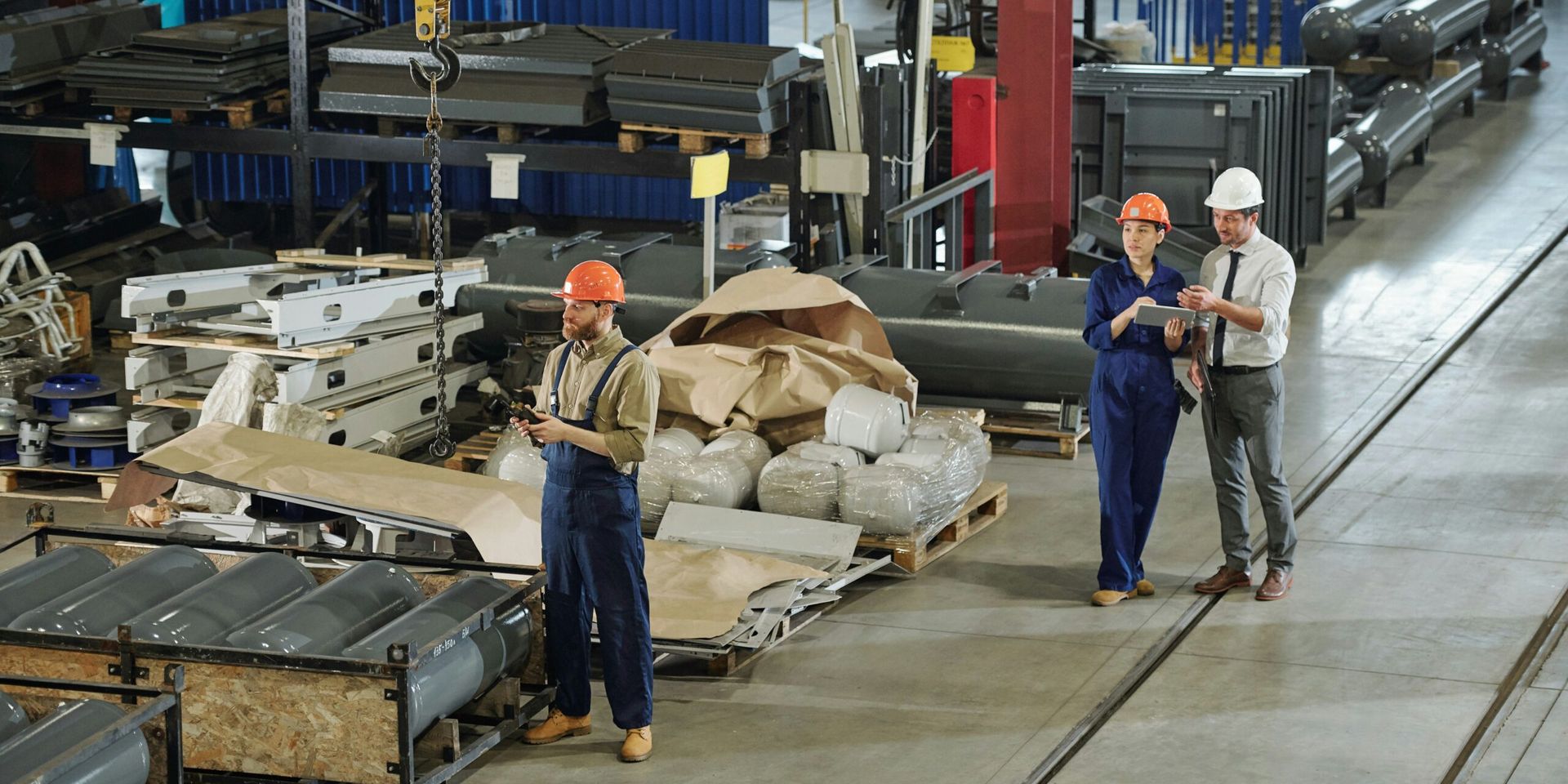
In 2025, the industrial real estate sector in Los Angeles is booming, with recent property transactions breaking all-time records. A noteworthy deal was the $65.2 million sale of a 200,000-square-foot industrial property located in the City of Industry. The price per square foot for this transaction has set a new benchmark for the area, reflecting the rapidly increasing demand for industrial and logistics space across the region. The City of Industry, in particular, has become a prime location for investors, driven by the proximity to key transportation routes, including the I-10 and I-605 freeways, and its close connection to the Port of Los Angeles—the busiest container port in the United States.
Factors Driving Investment in Industrial Real Estate
Los Angeles has long been a leader in global trade, but the growth of e-commerce and shifting supply chain needs have created an even stronger demand for industrial spaces, particularly those used for distribution and last-mile delivery. The City of Industry’s proximity to the Port of Los Angeles, which handles more than $400 billion worth of goods each year, has positioned it as a logistics epicenter. With more goods arriving through the port and the increasing need for rapid delivery to consumers, the demand for warehouses, fulfillment centers, and distribution hubs has only grown.
The rise of online shopping, particularly during the COVID-19 pandemic, has spurred a shift in consumer behavior, leading to increased demand for distribution centers in major metropolitan areas. E-commerce giants like Amazon, Walmart, and Target have been increasing their footprint in Southern California, securing long-term leases in industrial complexes to meet the growing needs of consumers who expect fast and reliable delivery.
Growing E-Commerce Demand and Evolving Logistics Needs
In addition to the immediate demand for warehouses and fulfillment centers, the need for last-mile delivery solutions has grown substantially. This is particularly evident in Los Angeles, where the density of residential housing and the sheer volume of consumer demand for quick deliveries make last-mile delivery a critical component of the logistics chain. Investors are increasingly targeting properties near major urban hubs, where they can quickly reach customers with minimal delays.
The surge in demand for e-commerce and distribution centers has also led to higher rental rates for industrial spaces, especially in high-demand areas like the Inland Empire, which serves as an extension of the Los Angeles logistics market. According to data from CBRE, a leading global real estate services firm, rental rates for industrial properties in the Inland Empire rose by 8% in 2024, driven by the sustained demand for storage and distribution centers. This trend has continued into 2025, as the region remains a critical link in the e-commerce supply chain.
Impact of Inflation and Economic Uncertainty
Despite broader economic uncertainty, including inflationary pressures and rising interest rates, the industrial real estate market in Los Angeles remains resilient. One key reason for this resilience is the supply-demand imbalance. The demand for industrial properties continues to outstrip the available supply, especially in areas close to the Port of Los Angeles and major highways, making these properties highly desirable. Additionally, with the global supply chain still recovering from disruptions caused by the COVID-19 pandemic and subsequent lockdowns, demand for warehouses and distribution centers has remained strong.
Investors are also keen to lock in long-term leases, particularly with large e-commerce companies. These tenants are seen as stable, creditworthy renters, offering a level of financial security in an otherwise unpredictable market. As a result, industrial properties continue to attract high levels of investment, even as other segments of the real estate market, such as office and retail, face challenges.
Future Outlook for Los Angeles Industrial Real Estate
Looking ahead, experts predict that the industrial real estate market in Los Angeles will continue to experience growth. The region’s strategic location as a hub for trade and logistics, combined with its ongoing demand for e-commerce solutions, will ensure that the industrial sector remains one of the most lucrative areas of real estate investment. Additionally, as more companies embrace automation and advanced technologies such as robotics, there is potential for even more sophisticated warehouses and fulfillment centers to emerge in the area.
One of the key developments in the Los Angeles industrial market will be the ongoing expansion of infrastructure related to the Port of Los Angeles. The Biden administration’s efforts to invest in U.S. infrastructure, including the modernization of port facilities and freight rail systems, are expected to further enhance the efficiency of supply chains, increasing the need for modern, high-tech industrial spaces. As these investments come to fruition, Los Angeles will continue to be a critical node in the global logistics network, attracting further investment in its industrial real estate sector.
Conclusion
The Los Angeles industrial real estate market is poised for continued success, driven by strong demand for distribution centers, e-commerce warehouses, and last-mile delivery facilities. As the region remains a key player in global trade and logistics, investors are capitalizing on the opportunities presented by this growth, making it one of the most vibrant and attractive sectors of the commercial real estate market.

Best Houses Contributor
Covers commercial property, development, and the zoning and regulation shaping where and how America builds.
This article features partner, contributor, or branded content from a third party. Members of the Best Houses editorial staff were not involved in the creation of this content. All views and opinions are those of the contributor alone.