In June 2025, the Los Angeles commercial real estate market is undergoing significant shifts, especially in the office sector, which is facing a rise in vacancy rates and changing tenant demands. The ongoing effects of the COVID-19 pandemic, alongside shifting work patterns, have left a permanent mark on office leasing trends. Los Angeles, historically known for its strong office market driven by a variety of industries, is grappling with new realities that could have lasting impacts on the market.
Vacancy Rates and Reduced Demand
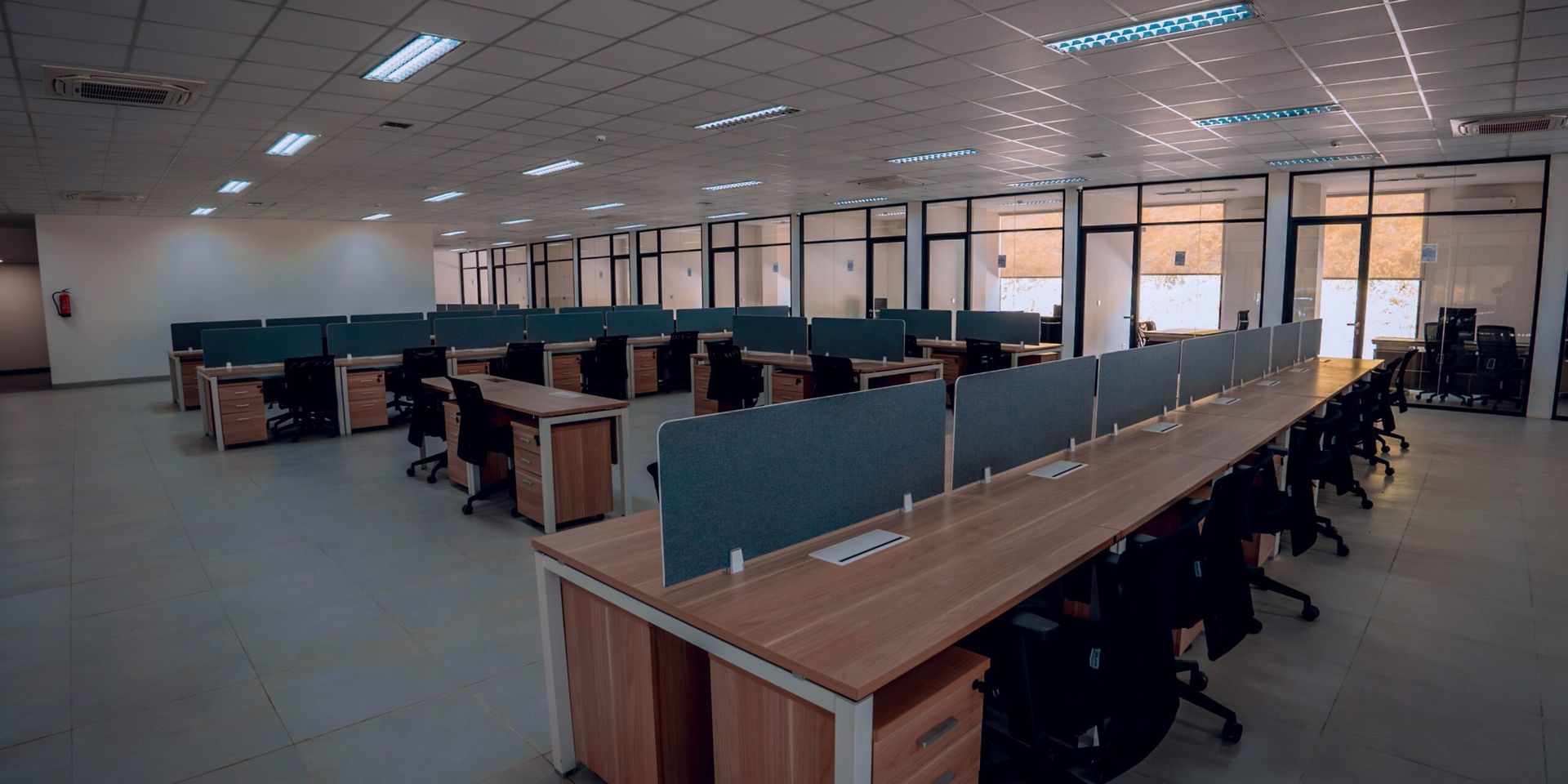
As of Q1 2025, the vacancy rate in Los Angeles’ office sector has reached 17.0%, marking a 0.3% increase from the previous quarter and a 0.5% rise compared to the previous year. This surge in vacancies is a far cry from the pre-pandemic years, where vacancy rates hovered closer to 12%—a figure that many experts considered healthy. In downtown Los Angeles, the heart of the city’s office market, vacancy rates are even higher, with Class A office spaces sitting empty due to changes in tenant preferences.
The shift towards hybrid work models has contributed to this trend, with many companies opting to reduce their office footprint as employees continue to work from home. This reduction in demand has led landlords to rethink their strategies for attracting tenants. Companies are no longer seeking large office spaces in central locations but are instead looking for smaller, more flexible workspaces that can accommodate a hybrid or remote workforce.
Companies in industries such as tech, finance, and media, which have traditionally occupied large office buildings, have embraced remote work and flexible workspaces. With many employees working remotely a few days a week, businesses have adjusted by cutting back on square footage to reduce overhead costs. This has directly affected the demand for office space in cities like Los Angeles, where commercial leases are among the most expensive in the country.
Adaptive Reuse: A Solution for the Office Market?
In response to rising vacancies and the changing nature of office demand, developers and landlords are beginning to explore alternative uses for office buildings. One of the key strategies gaining traction is adaptive reuse, which involves repurposing office buildings into residential spaces, mixed-use developments, or even creative hubs.
In Los Angeles, where the demand for housing is ever-growing, adaptive reuse projects have become increasingly popular. The city’s zoning regulations, which were once restrictive, are now becoming more flexible to accommodate residential conversions, particularly in areas near transit hubs and entertainment districts. In the heart of downtown LA, several office buildings are being converted into multi-family units, which will help address the city’s ongoing housing crisis.
For example, the former office building at 633 West Fifth Street, a 22-story structure, is being transformed into a high-end apartment complex, with a focus on creating affordable living spaces for the city’s growing workforce. Developers have touted adaptive reuse as a cost-effective and sustainable way to address the demand for both office and residential space while breathing new life into older buildings.
These projects have not only revitalized underutilized properties but also reduced the city’s carbon footprint by reusing existing structures instead of demolishing them to make way for new developments. This trend is expected to continue as Los Angeles seeks to balance its growing housing demands with the changing needs of the office market.
Flexibility and the Rise of Co-Working Spaces
The traditional office model is also being challenged by the rise of flexible and co-working spaces, which have exploded in popularity in recent years. Companies such as WeWork, Spaces, and Knotel have made a significant impact on how businesses think about office space. These providers offer on-demand office spaces that allow businesses to lease smaller, flexible units without being locked into long-term commitments.
For smaller startups, remote-first companies, and companies scaling down their office needs, co-working spaces are an attractive solution. In Los Angeles, demand for co-working spaces in creative hubs like Santa Monica, Culver City, and Silver Lake is growing as more businesses look to offer employees flexible workspaces that encourage collaboration without the overhead of traditional offices.
Real estate experts suggest that even large corporations that once relied on expansive office leases are now adopting hybrid models with co-working spaces for some employees. Major companies like Google, Facebook, and Amazon have invested in flexible office solutions, which not only reduce their real estate costs but also provide employees with more freedom in how and where they work.
This trend is expected to be a significant factor in the evolution of the Los Angeles office market, especially as businesses seek more flexibility and workers demand increased autonomy over their workspaces.
What Does the Future Hold?
As Los Angeles transitions into 2025, the commercial real estate market is undergoing significant changes. While the office market faces challenges, other sectors within the commercial real estate market, such as industrial and multifamily properties, remain resilient. The industrial sector continues to thrive, driven by strong demand for logistics and distribution centers as e-commerce grows.
Experts predict that Los Angeles’ office market will continue to see a gradual shift toward smaller office footprints, flexible workspaces, and adaptive reuse projects. However, the city’s continued economic growth, especially in technology, entertainment, and media, will likely support a recovery in demand for office space in the long term.
As companies continue to adapt to the post-pandemic landscape, the role of office space will continue to evolve. For commercial real estate professionals, understanding these changes and adapting to new trends will be critical to staying competitive in the ever-changing Los Angeles market.

Best Houses Contributor
Covers commercial property, development, and the zoning and regulation shaping where and how America builds.
This article features partner, contributor, or branded content from a third party. Members of the Best Houses editorial staff were not involved in the creation of this content. All views and opinions are those of the contributor alone.