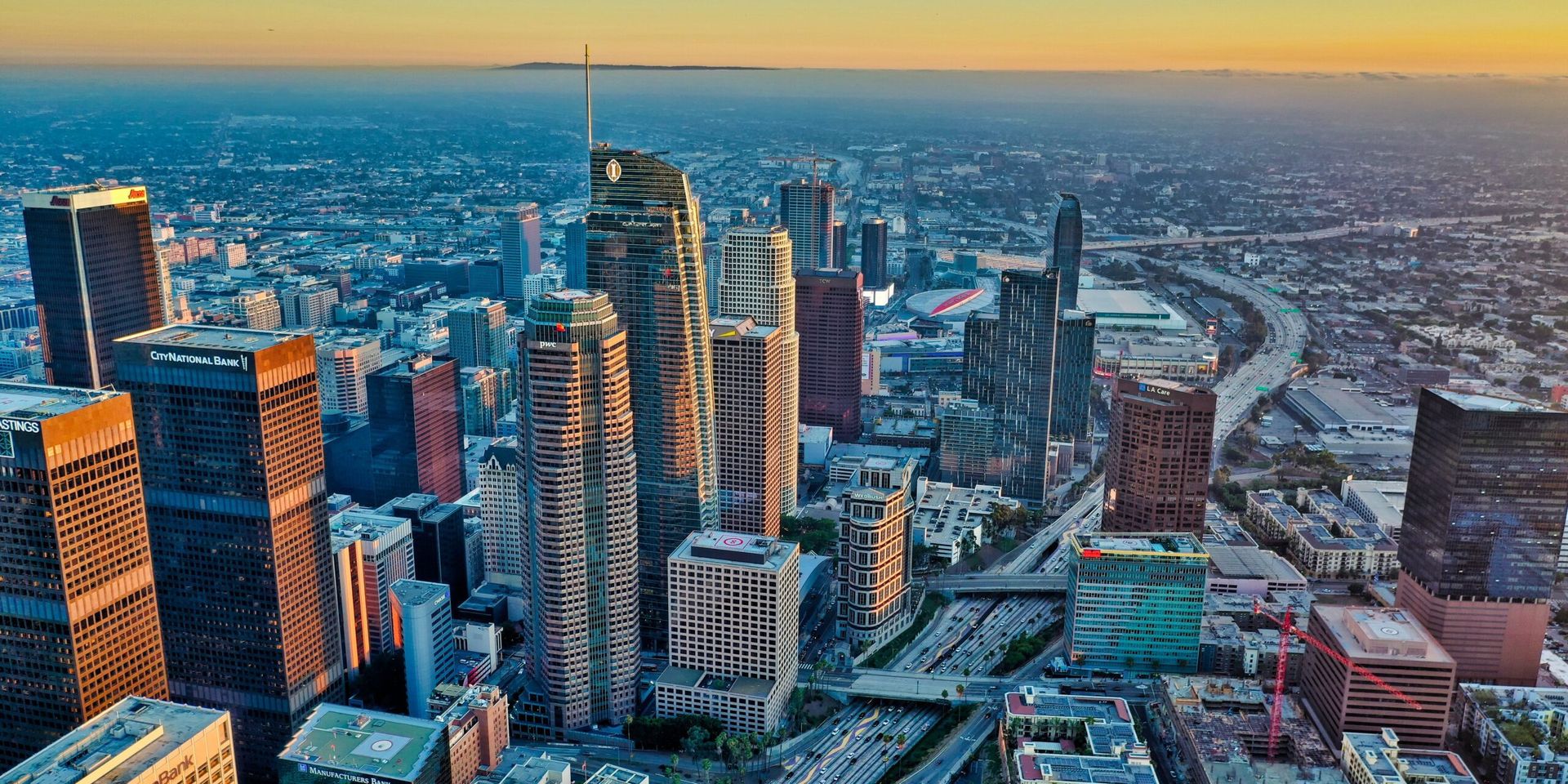
The Los Angeles commercial real estate market has been showing signs of resilience despite the broader economic challenges faced by businesses across the country in 2025. According to the latest data from Savills USA’s Q1 2025 Office Market Report, leasing activity in Los Angeles increased slightly, reaching 3.4 million square feet in the first quarter of 2025, a small but notable uptick from 3.2 million square feet in the same period last year.
The uptick in leasing activity signals a rebound in demand for office spaces in Los Angeles, particularly as companies continue to adapt to the changing nature of work. While vacancy rates have slightly increased, indicating that there is still a level of uncertainty in the market, the increase in leasing activity suggests that businesses are beginning to stabilize and are more confident in securing office spaces once again. This is in contrast to the pandemic years when office leasing largely stalled and remote work became the dominant trend.
Post-Pandemic Shifts in Office Leasing
One of the key trends driving the leasing activity is the growing need for flexible office spaces. With the continued shift to hybrid work models, companies are no longer committed to traditional long-term leases but are opting for more flexible, shorter-term agreements. These leases allow businesses to maintain an office presence while accommodating employees who may work remotely part of the time.
In Los Angeles, a city known for its innovation-driven industries, hybrid work models have been integrated into the operational fabric of many companies. Industries like entertainment, tech, and law, which were historically reliant on physical office spaces for collaboration and networking, are increasingly finding value in maintaining a smaller office footprint with flexible options for employees who work from home or other locations.
This transition is leading to the rise of coworking spaces and shared office environments, which are growing in popularity throughout the region. Notable companies like WeWork, Spaces, and Industrious have seen an uptick in membership, signaling that demand for flexible workspaces is still strong. These shared spaces not only accommodate the fluctuating needs of businesses but also offer a more cost-effective solution compared to traditional office leases.
Technology and Remote Work Integration
Technology continues to play a significant role in shaping how businesses in Los Angeles view office space. The implementation of virtual collaboration tools, such as Zoom, Slack, and Microsoft Teams, has enabled employees to work seamlessly from remote locations, reducing the need for a full-time office presence. However, while remote work offers numerous benefits, such as flexibility and cost savings, it also presents challenges in terms of team collaboration and company culture.
As a result, many businesses are opting for hybrid models that strike a balance between in-office and remote work. For example, tech companies like Google and Microsoft have embraced flexible office arrangements where employees come in for team meetings, brainstorming sessions, and collaboration days but have the flexibility to work from home the rest of the week. This model is gaining traction in Los Angeles as businesses in industries like media, entertainment, and technology rethink their office needs.
In addition to flexible office leases, another growing trend in the Los Angeles commercial real estate market is the integration of smart technology into office buildings. Buildings with advanced heating, ventilation, and air conditioning (HVAC) systems, enhanced air filtration, and touchless entry systems are in high demand. Companies looking to provide a healthier and safer environment for employees are investing in spaces that prioritize health and wellness features, such as improved air quality and energy-efficient systems.
Vacancy Rates and the Shift in Tenant Demand
While leasing activity has increased, vacancy rates in Los Angeles office buildings have also seen a slight uptick. As of the end of Q1 2025, the vacancy rate for office buildings in downtown Los Angeles stood at approximately 16.4%, up from 15.8% a year earlier. This rise in vacancies can be attributed to several factors, including the continued preference for hybrid work arrangements and companies downsizing or rethinking their office space needs.
However, this increase in vacancy rates doesn’t necessarily indicate a slowdown in demand for office space. Rather, it reflects the evolving nature of tenant requirements. Businesses are now more selective about the types of spaces they lease, seeking locations that offer greater flexibility, modern amenities, and short-term lease options. Additionally, companies are focusing on smaller, more efficient spaces that meet the needs of their hybrid workforces rather than maintaining large, traditional office footprints.
As the market evolves, landlords are responding by offering more competitive lease terms, including concessions such as free rent or tenant improvement allowances, in order to attract tenants. Office landlords are also investing in amenities such as fitness centers, rooftop spaces, and high-end conference facilities to make their buildings more appealing to potential tenants.
The Future of the Los Angeles Office Market
Looking ahead, industry experts believe that the Los Angeles office market will continue to adapt to the evolving landscape of work. While remote and hybrid work models will remain an integral part of the workforce, the demand for office space will persist as companies look to create spaces that foster collaboration, innovation, and company culture.
The market is expected to see more office buildings repurposed or redeveloped into mixed-use spaces, where office space is combined with residential units, retail, and entertainment venues. This trend is part of a broader move toward creating more vibrant, community-oriented urban environments.
Additionally, while the demand for traditional office space may have softened, Los Angeles is likely to continue seeing significant investment in high-quality, flexible office spaces and coworking environments. These spaces are expected to serve as hubs for collaboration and creativity, helping companies maintain connections with their employees and clients.
The Los Angeles office market will also remain competitive, as businesses continue to seek cost-effective solutions that allow them to scale their operations without overcommitting to long-term leases. Flexibility, innovation, and technology will continue to drive decisions about office space, with a focus on creating environments that foster productivity, creativity, and employee well-being.

Best Houses Contributor
Covers commercial property, development, and the zoning and regulation shaping where and how America builds.
This article features partner, contributor, or branded content from a third party. Members of the Best Houses editorial staff were not involved in the creation of this content. All views and opinions are those of the contributor alone.