The Resilience of the Luxury Home Market
The luxury home market has displayed remarkable resilience in the face of rising interest rates, demonstrating that certain segments of the real estate industry are less susceptible to fluctuations in economic conditions. While many sectors are adjusting to the ebb and flow of market demands, the luxury property sector continues to thrive. This persistence can largely be attributed to strong buyer demand coupled with a limited inventory of high-end homes available for purchase.
Understanding the Factors Behind Continued Demand
One of the primary drivers behind the ongoing success of the luxury home market is a robust demand from affluent buyers. Despite higher borrowing costs, these individuals often have the financial means to make substantial cash purchases or secure favorable financing terms that mitigate the effects of rising interest rates. This financial flexibility allows affluent buyers to invest in properties that not only cater to their lifestyle but also align with their long-term investment goals.
Limited Inventory Contributing to Price Stability
Another significant factor influencing the luxury housing sector is the constrained inventory of available properties. The supply of luxury homes often does not keep pace with the increasing demand, creating a competitive market. Many homeowners in the upper echelon are hesitant to sell, fearing that they may not find a suitable replacement property, further exacerbating the shortage. This limited supply not only maintains price stability but can also drive prices upward, as buyers are willing to compete for a reduced number of desirable options.
Regional Variations in Luxury Market Performance
The luxury home market does not exhibit uniform performance across different regions. Major urban centers and affluent suburbs typically experience greater demand, bolstered by factors such as technological advancements, job growth, and lifestyle amenities. Markets in cities like New York, Los Angeles, and Miami continue to attract both domestic and international buyers, while more remote luxury destinations have also seen increased interest, particularly as remote work evolves. Thus, regional variances manifest significant opportunities for sellers and investors alike.
The Impact of Buyer Preferences
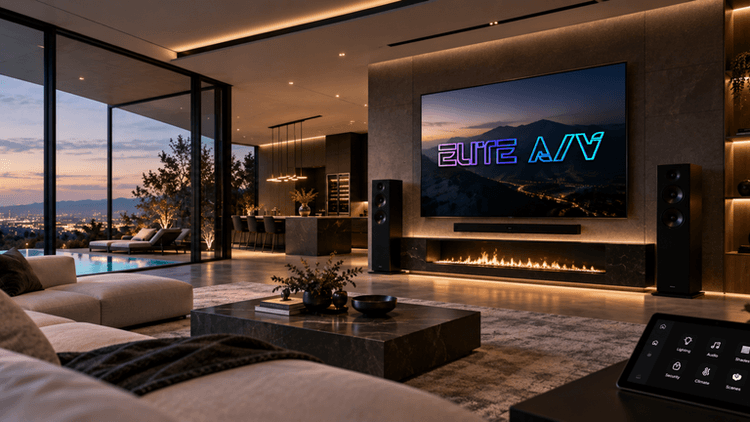
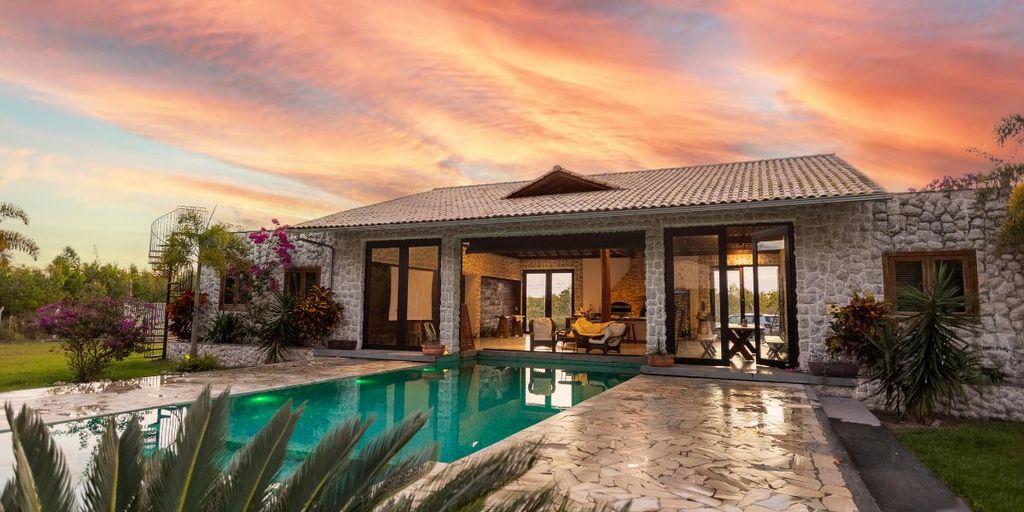
As the dynamics of the market shift, so too do buyer preferences. Many luxury homebuyers are placing a premium on features such as energy efficiency, smart home technologies, and proximity to urban amenities. Additionally, with an increasing focus on personal well-being and lifestyle, properties that offer outdoor spaces, wellness features, and home offices are in high demand. Developers and builders are adapting to these preferences by creating homes that not only meet aesthetic criteria but also align with the evolving lifestyles of modern buyers.
Investment Potential and Market Outlook
Investors are increasingly viewing luxury real estate as a viable asset class, particularly as other investment avenues experience volatility. The luxury housing market has the potential for significant price appreciation over time, making it an attractive option for those looking to diversify their investment portfolios. Furthermore, as global economic conditions fluctuate, high-end properties often retain value and can serve as a hedge against inflation, further solidifying their appeal among both individual and institutional investors.
Conclusion: A Promising Future for Luxury Real Estate
In conclusion, the luxury home market remains robust, demonstrating its ability to withstand the pressures of rising interest rates. The combination of strong buyer demand and limited inventory signifies that this market segment is not only surviving but thriving in current economic conditions. As preferences shift towards features that cater to a more urban and wellness-focused lifestyle, and as investment perspectives continue to evolve, the luxury housing market presents both opportunities and challenges for existing and prospective stakeholders. The outlook for luxury real estate, therefore, appears promising, with significant potential for growth and investment returns in the years to come.
FAQs
Q1: How do rising interest rates affect the luxury home market?
A1: Rising interest rates can affect overall home sales, but the luxury market tends to remain robust as affluent buyers often have the cash available for purchases or can secure favorable financing options.
Q2: Is the luxury home market the same across all regions?
A2: No, the luxury home market varies significantly by region. Major urban areas generally exhibit higher demand and prices compared to more rural locations, although certain suburban and vacation destinations have also seen increased interest.
Q3: What trends are emerging in buyer preferences for luxury homes?
A3: Buyers of luxury homes are increasingly seeking features such as energy efficiency, smart technologies, and wellness amenities, along with appealing outdoor spaces and home office setups.
Q4: Why is the luxury home market considered a good investment?
A4: The luxury home market can serve as a hedge against inflation, retains value during economic uncertainty, and often appreciates over time, making it an attractive option for investors.
Q5: How can sellers take advantage of the current luxury market conditions?
A5: Sellers can take advantage of current market conditions by highlighting desirable features of their properties, pricing competitively due to limited inventories, and targeting their marketing efforts toward affluent buyers actively seeking luxury homes.

Best Houses Contributor
Covers proptech and housing data, and the tools changing how homes are bought, sold, and financed.
This article features partner, contributor, or branded content from a third party. Members of the Best Houses editorial staff were not involved in the creation of this content. All views and opinions are those of the contributor alone.