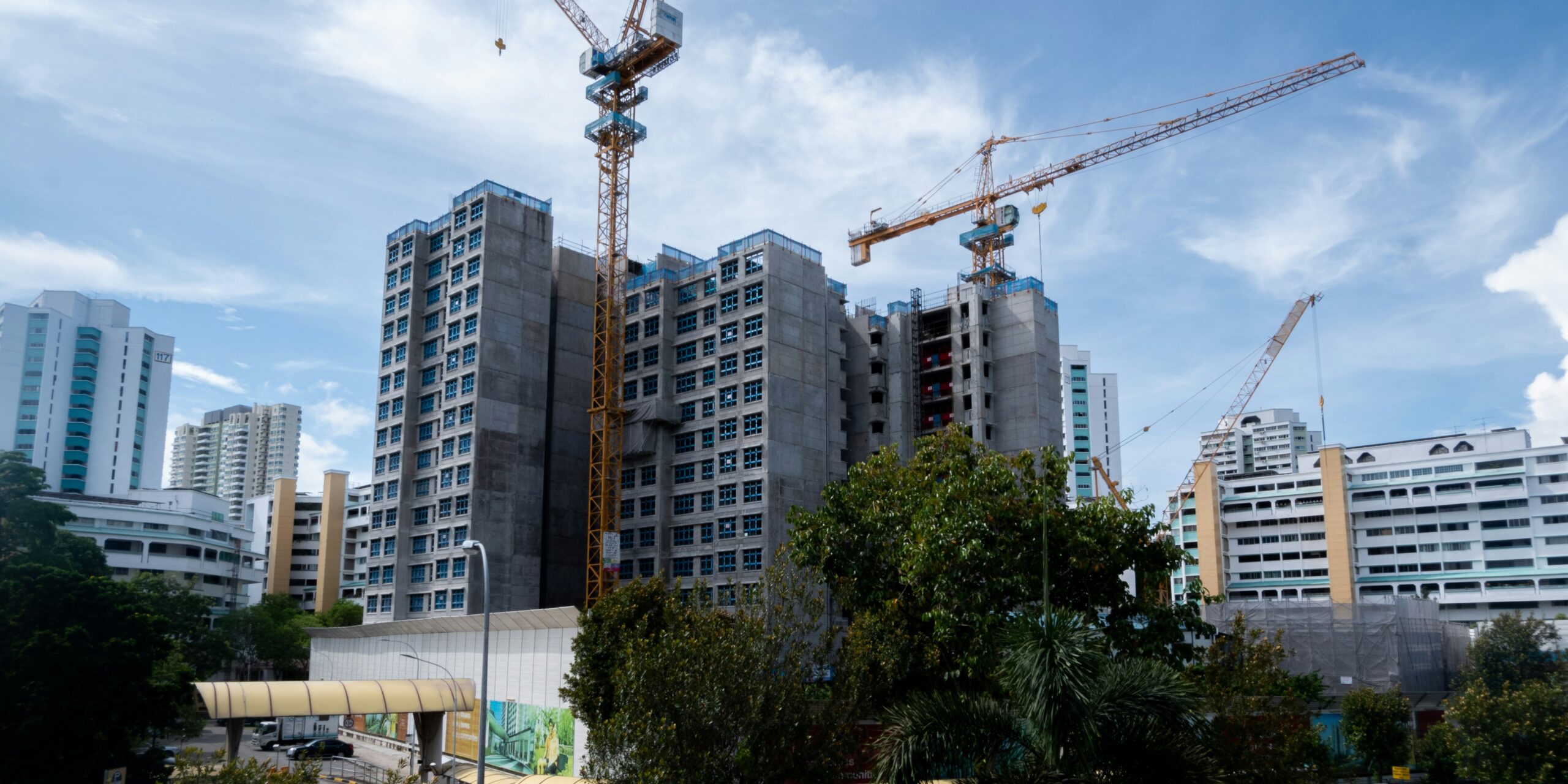
As commercial real estate in many U.S. cities struggles under rising vacancy rates and reduced demand for office space, realtors and developers are increasingly turning their attention toward converting underused office parks and buildings into residential developments. In suburbs, mid‑size metro areas, and along transit corridors, projects once envisioned as business campuses are being reimagined as places people live. One recent example is the Clearview Business Park in San Mateo. Purchased for about $102 million by Harvest Properties and Stockbridge, the 22‑acre campus (formerly home to firms including GoPro) is being repurposed into roughly 225 housing units. Plans call for a mix of townhomes and single‑family homes, and about 15 percent of the new homes will be reserved for low‑income households.
This shift reflects both opportunity and necessity. On the one hand, office park properties often come with large footprints, parking lots, and infrastructure already in place—elements that make residential conversion more pragmatic than building from scratch. On the other hand, in regions where housing affordability is increasingly under stress, such adaptive reuse projects promise to help address shortages of moderate‑cost homes. Realtors see demand not only from traditional buyers but increasingly from people seeking shorter commutes, more green space, and options outside dense urban cores.
Read Also: https://besthouses.com/hud-showcases-housing-innovation-at-national-mall/
Still, converting office parks into homes brings a host of complications. Zoning regulations often treat office land and residential land very differently, which means many projects require rezoning or variances—a process that can be slow, politically fraught, or even unsuccessful in some jurisdictions. Existing office buildings and parking areas may not meet residential code standards, especially for things like plumbing, windows, natural light, fire safety, or outdoor space. Community opposition can become a factor if local residents react to changes in traffic, density, or the character of neighborhoods. Additionally, access to infrastructure—utilities, streets, sewer lines—can add unforeseen costs.
Financing is another challenge. Office‐to‐residential conversion deals often require a mix of capital: acquisition cost, construction or retrofit cost, regulatory compliance, and often subsidy or incentives to include low‑income units. Realtors and developers who succeed tend to be those who understand the intricate dance between market rents, development subsidies, building codes, and buyer or renter demand. In many places, public policy is beginning to help: tax incentives, streamlined permitting for adaptive reuse, density bonuses, or relaxed codes are making some projects more viable.
Data from 2025 shows this trend isn’t marginal. In metro areas from New York City and Washington, D.C., to Dallas, Los Angeles, Chicago, Atlanta, and others, proposed or underway conversions of offices to residential units have increased sharply. Reports suggest tens of thousands of units are in the pipeline nationally. Older and underperforming office buildings—particularly those built several decades ago and whose vacancy rates have climbed—are viewed as good candidates. Buildings with certain architectural features (ample window exposure, reasonable floor‑to‑floor heights) are easier to adapt. A 2025 Gensler study with support from the Department of Housing and Urban Development highlighted that policies tailored to each city’s regulatory environment are critical to making conversions feasible.
“Where you see both high office vacancy and strong housing demand, realtors who can bridge the gap between developers, communities, and local government may have a considerable opportunity,” said one project consultant. Realtors willing to learn about local zoning, infrastructure costs, inclusionary housing requirements, and the nuances of tenant vs. owner preferences are finding themselves in a new advisory role beyond traditional sales.
Long‑term investors are watching closely too. If current conversions succeed in retaining affordability, meeting community standards, and delivering returns despite rising financing costs, then this could become a major new asset class. These shifts may reshape commercial real estate and expand housing stock in areas that long had too many empty offices but too few housing options.
For realtors, the message is clear: understanding zoning, regulations, market demand, and financing is no longer optional. Those who adapt to this trend may help alleviate housing shortages while also opening profitable new markets.