Developers across the United States announced a new wave of large-scale suburban master-planned housing projects on May 15, 2026, reflecting continued shifts in buyer preferences toward flexible living environments, community-centered amenities, and long-term residential stability. The expansion of these developments has become one of the most closely watched trends in the American housing market as builders respond to evolving lifestyle demands, population growth, and changing work patterns.
The projects, unveiled in states including Texas, Florida, Arizona, North Carolina, and Nevada, include thousands of planned residential units combined with retail centers, parks, schools, healthcare facilities, coworking spaces, and recreational amenities. Industry analysts say the continued popularity of master-planned communities highlights broader structural changes within both residential development and consumer housing priorities.
Housing market experts note that buyers increasingly prioritize neighborhoods offering convenience, accessibility, and integrated services. Many families and professionals now seek communities where residential living, entertainment, shopping, education, and outdoor recreation are located within close proximity, reducing reliance on long commutes and supporting more flexible daily routines.
The latest announcements come as developers continue adapting to long-term migration patterns and demographic shifts that have accelerated in recent years. Suburban regions surrounding major metropolitan areas have experienced steady population growth as households search for larger living spaces, affordability advantages, and improved quality-of-life features.
Several of the newly announced developments include a combination of single-family homes, townhouses, multifamily housing, and rental units designed to accommodate a wide range of residents. Real estate analysts say mixed-housing strategies have become increasingly common as developers attempt to create more balanced and sustainable residential ecosystems.
Builders involved in the May 15 projects emphasized that modern homebuyers are placing greater importance on community infrastructure and shared amenities. Walking trails, fitness centers, outdoor gathering areas, digital connectivity, and neighborhood retail services are now viewed as major selling points in highly competitive housing markets.
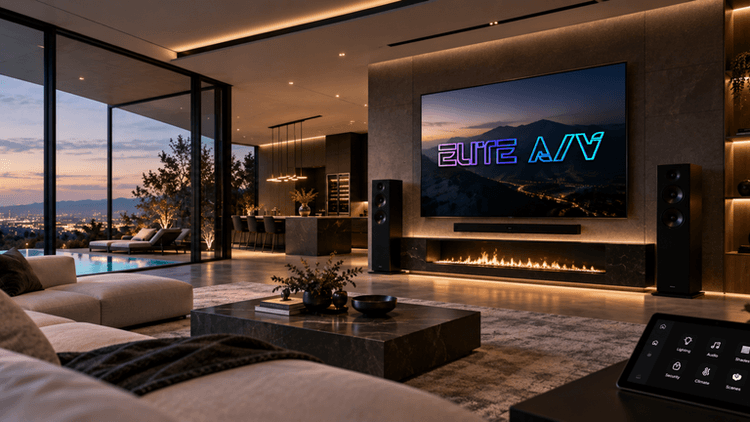
Technology integration has also become a defining characteristic of many new residential communities. Smart home systems, energy-efficient appliances, app-based security controls, and digital property management services are increasingly incorporated into both entry-level and luxury housing developments. Industry professionals say technology-driven convenience continues influencing buyer expectations throughout the residential sector.
The rise of hybrid and remote work arrangements has further contributed to suburban development growth. Housing experts report that many buyers are prioritizing homes with dedicated office space, flexible floor plans, and access to community coworking facilities as work habits evolve beyond traditional office-centered routines.
Developers say transportation access remains another critical factor shaping new projects. Many master-planned communities are strategically located near expanding highway systems, regional transit corridors, and employment centers to balance suburban living with urban accessibility.
The economic impact of these developments extends beyond residential construction alone. Large-scale housing projects often generate substantial activity for contractors, suppliers, retailers, restaurants, healthcare providers, and local service industries. Analysts estimate that rapidly growing suburban regions could continue seeing strong economic expansion tied directly to residential development activity.
Commercial real estate investment has also followed residential growth patterns. Retail centers, grocery stores, healthcare facilities, and entertainment venues are increasingly being developed alongside housing projects to support rising suburban populations. Mixed-use planning has become a central strategy for developers seeking to create self-contained community environments.
Housing affordability continues to influence development strategies nationwide. While many metropolitan areas still face elevated home prices and limited inventory, suburban developments often provide opportunities for builders to construct larger numbers of homes at varying price points compared to dense urban markets with constrained land availability.
Industry observers note, however, that affordability challenges remain a significant issue across many parts of the country. Rising construction costs, labor shortages, land prices, and financing expenses continue affecting both developers and buyers despite strong market demand.
Environmental sustainability has also become a larger focus within residential planning. Several projects announced on May 15 include energy-efficient construction standards, water conservation systems, electric vehicle charging infrastructure, solar energy integration, and expanded green spaces aimed at improving long-term environmental performance.
Urban planners and local governments continue evaluating how rapid suburban growth affects transportation systems, schools, utilities, and public services. Infrastructure coordination remains a major component of large-scale residential expansion, particularly in regions experiencing accelerated population increases.
Real estate professionals say younger buyers and families are increasingly attracted to communities that combine housing with lifestyle-oriented amenities and long-term flexibility. In many cases, buyers are placing equal importance on neighborhood experience and property design when making purchasing decisions.
The growing demand for master-planned developments has also influenced how builders approach long-term project timelines. Many modern communities are designed in multi-phase formats that may take years or even decades to complete, allowing developers to adapt construction plans to changing market conditions over time.
Industry experts believe the continued expansion of suburban housing communities reflects broader transformations within the U.S. residential market. As demographic trends, technology adoption, and work patterns continue evolving, developers are increasingly focused on creating adaptable neighborhoods capable of supporting changing lifestyles and long-term growth.
The May 15 announcements demonstrate how residential development strategies are shifting toward integrated, community-focused planning models designed to meet the demands of modern buyers. For homeowners, investors, and real estate professionals, the rise of master-planned suburban communities represents one of the most significant trends shaping the future of American housing.

Best Houses Contributor
Covers residential real estate and the agents behind it, from listings and design to the deals that close.
This article features partner, contributor, or branded content from a third party. Members of the Best Houses editorial staff were not involved in the creation of this content. All views and opinions are those of the contributor alone.