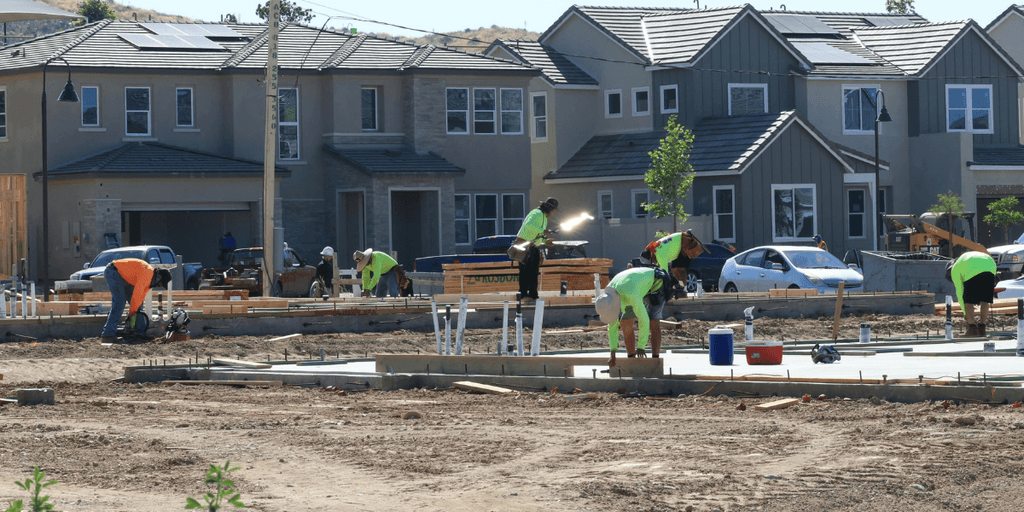
The U.S. housing market saw a major shift on May 19, 2026, as several national real estate developers announced expanded investments in build-to-rent communities across rapidly growing metropolitan areas. Industry analysts say the trend reflects changing housing preferences, affordability challenges, and growing demand for flexible living options among American renters.
Build-to-rent developments are residential neighborhoods specifically designed for long-term renters rather than homebuyers. Unlike traditional apartment complexes, these communities often feature single-family homes or townhomes with private yards, garages, shared amenities, and professionally managed services. Over the past few years, the sector has become one of the fastest-growing segments of the U.S. residential real estate industry.
Developers confirmed this week that new large-scale build-to-rent projects are moving forward in states including Texas, Florida, Arizona, Georgia, Nevada, and North Carolina. Many of these regions continue experiencing strong population growth, rising home prices, and increased demand for rental housing alternatives.
Housing economists say the expansion reflects broader affordability pressures affecting the national housing market. Elevated mortgage rates, higher home prices, and limited inventory have made traditional homeownership more difficult for many Americans, particularly first-time buyers and younger households. As a result, more families are choosing long-term rental options that offer additional space and suburban-style living without the financial commitment of purchasing a home.
Industry experts note that the build-to-rent model has evolved significantly from conventional rental housing concepts. Many new developments are designed to attract residents seeking amenities traditionally associated with homeownership, including larger floor plans, pet-friendly environments, remote work spaces, fitness centers, walking trails, and community gathering areas.
Real estate firms involved in the projects say demand remains strong among professionals, young families, retirees, and relocating workers who prioritize flexibility and lower maintenance responsibilities. The rise of remote and hybrid work arrangements has also influenced housing preferences, with many renters now seeking larger living spaces outside dense urban centers.
The expansion of build-to-rent communities is reshaping suburban development patterns across several U.S. markets. Developers are increasingly targeting suburban areas near employment hubs, transportation corridors, and retail districts where land availability and infrastructure support long-term residential growth.
Property management companies are also investing heavily in technology to support the growing rental sector. Many build-to-rent operators now use digital leasing systems, mobile resident platforms, smart-home devices, and automated maintenance services to improve efficiency and tenant experiences. Analysts say technology integration has become a major competitive advantage within the residential rental market.
Institutional investors continue showing strong interest in the sector as well. Large investment firms and real estate funds have expanded acquisitions and partnerships involving build-to-rent properties, viewing the segment as a stable long-term asset class supported by demographic and economic trends.
Commercial real estate analysts say the growth of build-to-rent housing may also influence broader residential construction strategies in the coming years. Some developers are shifting portions of their focus away from traditional for-sale housing projects due to financing challenges and fluctuating buyer demand. Rental-focused communities may provide more predictable occupancy and revenue stability under current market conditions.
At the same time, the trend has sparked ongoing discussions about housing supply and affordability. Urban planners and housing advocates argue that increasing residential inventory, including rental housing, remains essential to addressing long-term affordability concerns in high-growth regions. Some municipalities are updating zoning and planning policies to support higher-density residential development and mixed-use communities.
Construction firms report that labor shortages and rising material costs remain challenges for both rental and for-sale housing projects nationwide. Despite these pressures, many developers continue prioritizing build-to-rent construction due to sustained renter demand and favorable long-term market projections.
Environmental sustainability is also becoming a larger focus within the sector. Several newly announced developments are incorporating energy-efficient building materials, smart irrigation systems, solar-ready infrastructure, and environmentally conscious landscaping aimed at reducing operating costs and improving long-term property performance.
The rise of build-to-rent communities highlights broader shifts in American housing behavior. Financial flexibility, mobility, and convenience are becoming increasingly important factors influencing residential decisions, particularly among younger generations and mobile workforces.
Real estate professionals say the trend may continue reshaping suburban growth and rental market dynamics over the next decade. As housing affordability challenges persist and demographic trends evolve, developers are expected to keep expanding rental-focused residential communities across major population-growth regions.
For renters, the growth of build-to-rent housing may provide additional options between traditional apartment living and homeownership. For investors and developers, the sector represents a rapidly evolving opportunity within an increasingly competitive real estate market.
Housing market analysts believe the continued expansion of professionally managed rental communities signals a long-term transformation in how residential housing is developed and marketed in the United States. As economic conditions, work habits, and lifestyle preferences continue changing, the build-to-rent model appears positioned to remain a major force in the future of American housing.

Best Houses Contributor
Covers residential real estate and the agents behind it, from listings and design to the deals that close.
This article features partner, contributor, or branded content from a third party. Members of the Best Houses editorial staff were not involved in the creation of this content. All views and opinions are those of the contributor alone.