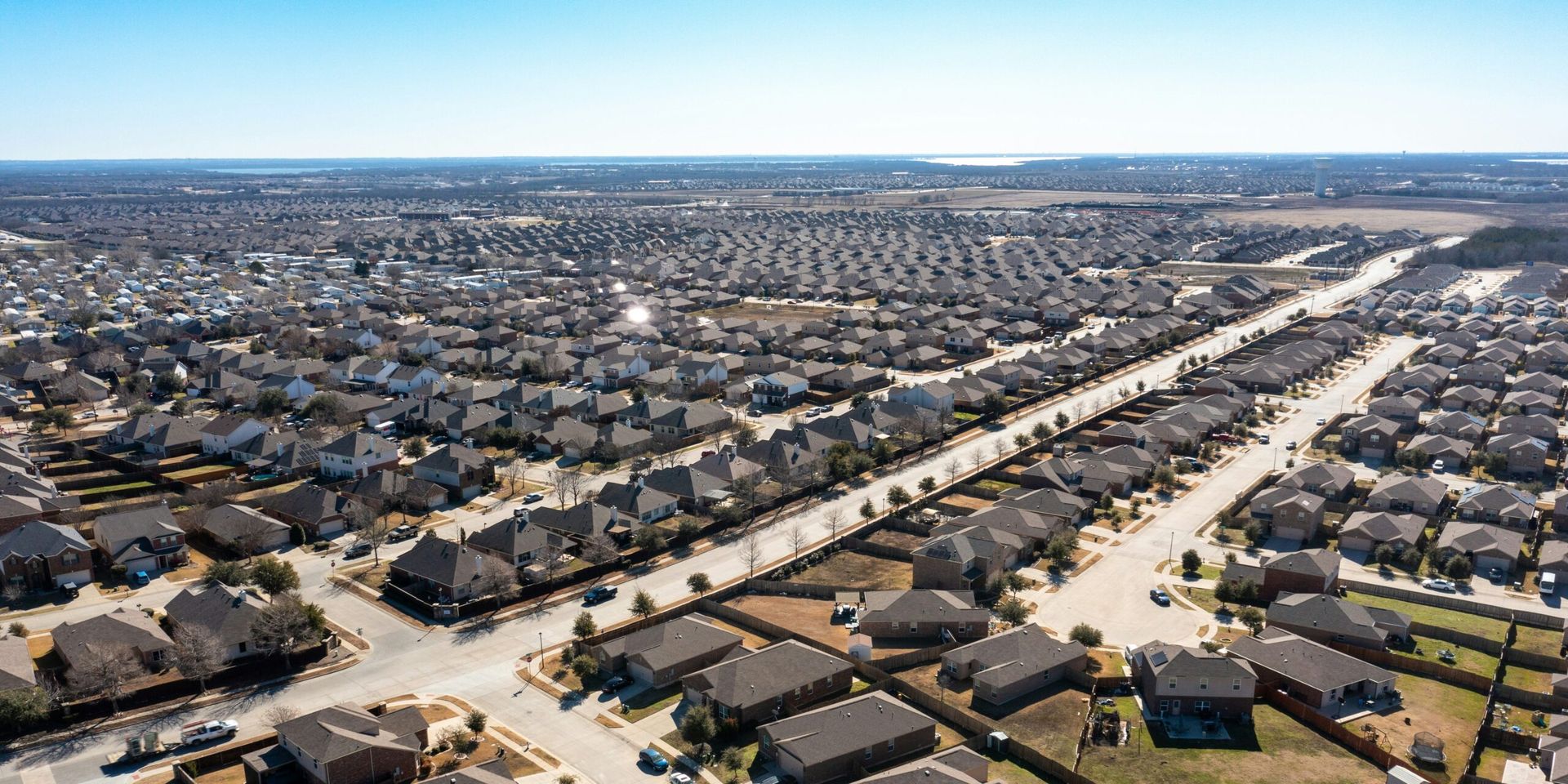
A leading housing expert has forecast a significant reset in the U.S. housing market by 2025, which is expected to reshape the dynamics of buying and selling homes across the country. This shift will be driven by a variety of factors, including changing economic conditions, evolving demographics, and shifting buyer preferences. While the housing market has faced numerous challenges in recent years, the expert suggests that those purchasing homes in the current market will soon witness the benefits of this crucial reset.
For much of the past decade, the U.S. housing market has been marked by a series of highs and lows. These fluctuations have been fueled by factors such as interest rate changes, housing shortages, and volatile economic conditions. Despite these challenges, many buyers and sellers have found ways to navigate the market, though the experience has often been unpredictable. As we look toward 2025, however, the expert predicts a more stable and balanced market, one that will offer new opportunities for both buyers and sellers alike.
One of the key drivers of this market reset is the anticipated change in economic conditions. With the potential for lower interest rates and a stabilization of home prices, homeownership could become more accessible for a broader range of Americans. This shift would be particularly beneficial for first-time homebuyers, who have struggled to enter the market due to high prices and rising mortgage rates in recent years. As a result, the reset could open doors for more people to realize the dream of owning a home.
Demographic changes are also expected to play a significant role in the housing market reset. The aging of the Baby Boomer generation and the rise of younger, tech-savvy homebuyers are likely to influence the types of homes in demand. As more Baby Boomers downsize or move into retirement communities, an influx of properties may become available for younger buyers looking for homes that better suit their modern lifestyles. This shift could result in a more diverse housing inventory, with greater options for buyers to choose from.
At the same time, evolving buyer preferences are anticipated to impact the market. The COVID-19 pandemic has changed the way many Americans view their homes, with more people prioritizing space for remote work, home offices, and outdoor living. As remote work becomes more permanent for some individuals, there will likely be greater demand for homes in suburban and rural areas, where larger properties with more space are available at lower prices than in densely populated urban centers. This change in preferences could lead to a rebalancing of the market, with more buyers exploring options outside traditional city limits.
The reset in the housing market is also expected to bring greater balance between supply and demand. After years of low inventory and rising prices, more homes may become available as sellers respond to shifting market conditions. This increase in available properties could help alleviate some of the intense competition that has characterized the market in recent years, giving buyers more choices and potentially lowering home prices in certain areas. Sellers, on the other hand, may benefit from more buyers in the market, making it easier to find a suitable buyer for their homes.
In addition, the expert emphasizes that the reset will not be immediate and will require time for various market forces to align. Homebuyers and sellers should anticipate a period of adjustment as the market shifts, with some ups and downs along the way. However, those who are able to navigate the changes effectively will likely find that the reset brings a more favorable environment for making housing decisions.
Overall, the housing market reset predicted for 2025 offers a more balanced outlook for both buyers and sellers. While challenges may remain, the reset provides hope for a more stable and accessible market, with opportunities for those looking to buy or sell in the coming years. For anyone considering entering the market, keeping an eye on these evolving trends and preparing for a more favorable landscape could make all the difference.

Best Houses Contributor
Covers residential real estate and the agents behind it, from listings and design to the deals that close.
This article features partner, contributor, or branded content from a third party. Members of the Best Houses editorial staff were not involved in the creation of this content. All views and opinions are those of the contributor alone.