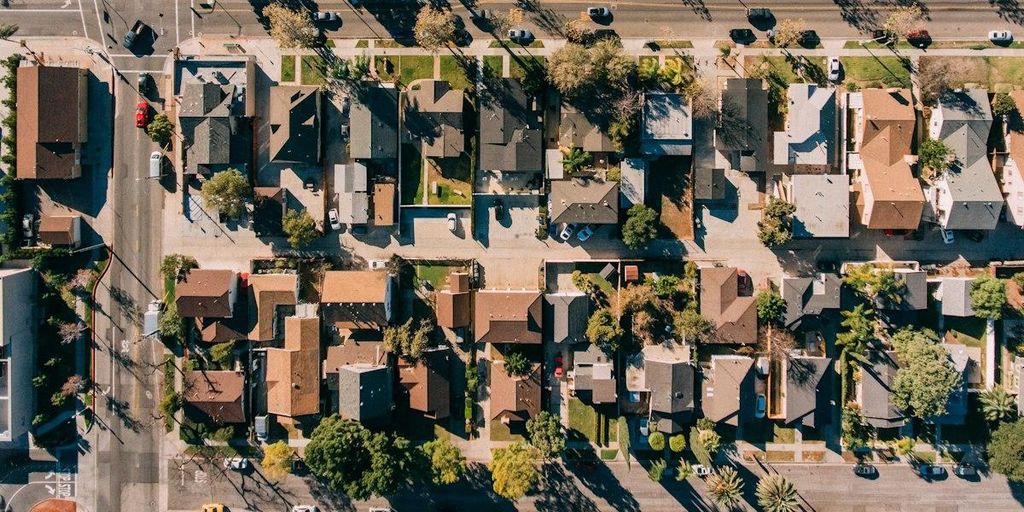
October home sales decline 5.5 percent as rising mortgage rates and affordability challenges weaken residential market activity.
The American residential housing market experienced another significant slowdown in October, with existing-home sales falling to their lowest level in more than 16 years as higher mortgage rates continued to challenge prospective buyers.
According to the latest housing market analysis released by Realtor.com Economics, existing-home sales declined 5.5 percent from September to a seasonally adjusted annual rate of 3.75 million.
Sales were also down 8.8 percent compared with October of the previous year, marking the third consecutive month in which the annualized sales pace remained below four million.
The findings highlight the continuing difficulties facing American households attempting to purchase homes in an environment characterized by elevated borrowing costs and substantial property prices.
Existing-Home Sales Reach Their Lowest Level Since 2010
The October sales figure represented the weakest pace since August 2010, when existing-home sales reached approximately 3.68 million on an annualized basis.
The decline was notable because residential sales had already experienced considerable pressure during the preceding months.
The latest figures indicate that the housing market continued losing momentum as buyers faced changing financial conditions.
Existing-home transactions account for a substantial portion of residential property activity in the United States.
They include previously occupied single-family houses, condominiums and other residential properties sold through the established housing market.
A decline in these transactions can affect real estate agents, mortgage lenders, home inspectors, title companies, moving businesses and other professionals connected to residential property sales.
Mortgage Rates Increase Financial Pressure
Mortgage rates played an important role in the October slowdown.
Borrowing costs increased during September, with the average mortgage rate reaching approximately 7.33 percent during October according to the market figures discussed in the report.
Higher financing costs can significantly change the affordability of a property.
A household purchasing a home through a mortgage must consider not only the purchase price but also the interest charged over the repayment period.
Even a relatively modest change in borrowing rates can increase monthly principal and interest payments.
For buyers already operating near the limits of their budgets, this difference can make a previously affordable property financially impractical.
The increase in mortgage costs also affected buyers who had been preparing to enter the market earlier in the year.
First-Time Buyers Face Additional Challenges
First-time purchasers accounted for approximately 29 percent of existing-home sales.
Their share illustrates the difficulties facing households attempting to transition from renting to homeownership.
Unlike established homeowners, first-time buyers generally do not have proceeds from selling an existing property to contribute toward a new purchase.
They may also have less accumulated housing equity and must manage down payments, closing costs and other initial expenses.
Higher mortgage rates can therefore create a particularly difficult environment for younger households and individuals entering the residential market.
The limited share of first-time purchasers also has implications for long-term housing mobility.
When fewer new buyers can enter the market, transactions may become increasingly dependent on households that already own residential property.
Inventory Begins Providing More Choices
Despite declining sales, available housing inventory showed some improvement.
The number of unsold existing homes reached approximately 1.59 million, the highest level since November 2019.
This represented an estimated 5.1-month supply of housing at the prevailing sales pace.
An increase in inventory can provide buyers with more opportunities to compare properties and negotiate with sellers.
It may also reduce some of the competition that characterized earlier periods of limited housing supply.
However, greater inventory does not automatically resolve affordability challenges.
A buyer may have more properties to choose from but still lack the financial capacity to purchase them under current mortgage conditions.
The distinction between property availability and purchasing power remains central to understanding the current market.
Home Prices Continue Rising
The October slowdown did not result in a national decline in the median existing-home sale price.
The median price reached $416,700, representing a 0.4 percent increase compared with the same month a year earlier.
The figure was also a record October median for the national market.
This development demonstrates the complicated relationship between sales activity and property values.
A market can experience declining transactions while prices remain elevated because of the characteristics of available inventory, regional supply constraints and the balance between buyers and sellers.
For households, the combination of relatively high home prices and expensive financing can make purchasing particularly difficult.
Price Reductions Become More Common
The housing market also showed signs of adjustment through listing prices.
The median listing price declined 2.2 percent annually, while approximately one in five listings had experienced a price reduction.
These changes suggest that some sellers were adjusting expectations to attract buyers in a market where affordability remains a major concern.
For real estate professionals, pricing strategy has become increasingly important.
Properties that are positioned above comparable market values may require longer marketing periods or reductions before attracting serious offers.
The increased availability of homes can also give buyers more negotiating opportunities than during periods of exceptionally limited inventory.
Implications for the Residential Market
The October sales decline provides a clear indication that high financing costs continue to influence American homeownership.
Buyers are evaluating affordability more carefully, sellers are adjusting listing prices and available inventory is gradually increasing.
However, the market remains different across individual metropolitan areas.
Local employment conditions, property prices, construction activity and household incomes all influence residential demand.
The national figures should therefore be viewed as an overview rather than a direct description of every local housing market.
The latest report illustrates a housing environment in which purchasing opportunities are becoming more available but remain financially difficult for many households.
With existing-home sales at their weakest pace in more than 16 years, affordability and mortgage costs continue to shape the direction of the American residential property market.

Best Houses Contributor
Covers residential real estate and the agents behind it, from listings and design to the deals that close.
This article features partner, contributor, or branded content from a third party. Members of the Best Houses editorial staff were not involved in the creation of this content. All views and opinions are those of the contributor alone.