The luxury real estate market has experienced a dramatic shift since the onset of the pandemic, with demand for upscale properties reaching new heights. As remote work became a permanent fixture for many high-net-worth individuals (HNWIs), the desire for larger homes, private retreats, and exceptional amenities skyrocketed, reshaping the housing market. By 2025, this trend shows no sign of slowing down, with experts predicting continued growth in the luxury housing sector.
The Rise of Remote Work and Changing Preferences
When the pandemic forced millions to work from home, affluent individuals sought larger, more spacious properties to accommodate their new work-from-home lifestyle. According to a report from Knight Frank, luxury real estate demand in major cities like New York, Los Angeles, and Miami experienced a significant decline in 2020, as high-net-worth individuals sought refuge in suburban and rural areas. The report revealed that affluent buyers were no longer just looking for a place to live—they were searching for sanctuary.
“The pandemic made many people reevaluate their living spaces. Home offices, fitness rooms, and areas for virtual meetings became priorities, and buyers wanted homes that reflected this shift,” says Jon Peltz, a senior real estate agent with Douglas Elliman.
In addition to larger living spaces, the trend toward wellness-oriented features like private gyms, spas, and yoga rooms became more pronounced as affluent buyers sought to create sanctuary-like environments at home. A Coldwell Banker Global Luxury report confirmed this, showing an uptick in demand for homes with features that promote well-being, including air filtration systems and outdoor living spaces that encourage social distancing.
The Shift from Urban Centers to Suburban and Rural Areas
Historically, luxury buyers preferred properties in metropolitan areas close to cultural attractions, fine dining, and shopping. However, the pandemic altered this dynamic as remote work allowed affluent buyers to seek out more secluded locations. Cities like New York, San Francisco, and Los Angeles—once seen as prime real estate locations—saw a noticeable dip in demand, while suburban and rural areas experienced an influx of high-end buyers.
According to Redfin, areas such as the Hamptons, Napa Valley, and parts of Colorado experienced significant increases in home prices during the pandemic. The Hamptons, traditionally known for its summer appeal, saw a record-breaking 44% increase in luxury home sales in 2020 compared to the previous year. Similarly, in Montana, luxury home prices grew by 15% in 2021 as buyers sought properties that offered both seclusion and access to natural beauty.
Betsy Kestenbaum, a luxury real estate agent in New York, explained, “The pandemic has turned the idea of ‘city living’ upside down. Many wealthy buyers are willing to trade the convenience of urban life for the space and privacy offered by rural and suburban homes.”
Affluent buyers are no longer just interested in vacation homes—they want full-time residences that offer room to spread out, large outdoor areas, and privacy. As a result, areas that were once considered secondary markets are now seeing significant interest. Florida, Texas, and Idaho have become top choices for luxury buyers seeking expansive estates with private lakes, equestrian facilities, and large tracts of land.
A Shift in the Definition of Luxury
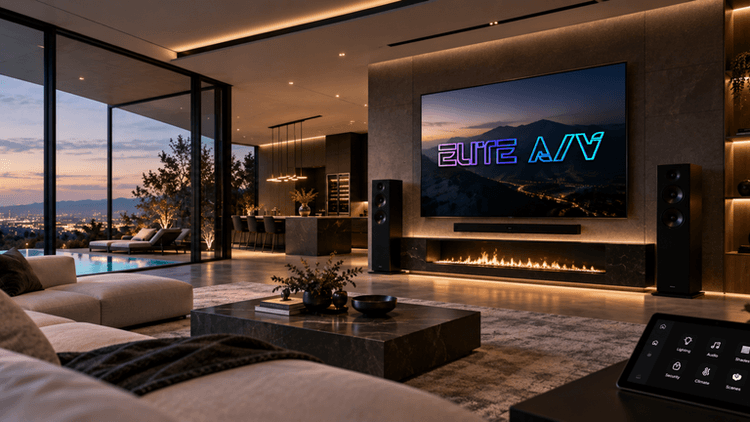
The pandemic has redefined what constitutes a “luxury” home. While luxury real estate once focused on ornate designs, proximity to shopping and nightlife, and proximity to cultural hotspots, today’s buyers are looking for privacy, space, and self-sufficiency. Homes now feature sprawling outdoor spaces, high-end kitchens, custom home theaters, and advanced technology integration, such as smart home systems and high-speed internet designed for remote work.
“Luxury has changed. It’s no longer about the most opulent finishes; it’s about functionality and wellness,” said Craig Hogan, Vice President of Luxury Sales at Coldwell Banker. “Today’s buyers want homes with features like home offices, expansive outdoor spaces, and dedicated areas for fitness and relaxation. These homes need to support both work and well-being.”
Another emerging trend is the incorporation of eco-friendly features in luxury homes. Solar panels, geothermal heating systems, and rainwater collection systems are increasingly being integrated into high-end properties, catering to buyers who want a more sustainable lifestyle.
The Role of Technology in Luxury Real Estate
As more buyers turned to virtual home tours during the pandemic, real estate agents and developers adopted technology to enhance the buying experience. Virtual home tours, 3D staging, and drone footage became essential tools to showcase properties to affluent buyers, many of whom were unable or unwilling to travel.
Technology has continued to evolve, with virtual reality (VR) and augmented reality (AR) now widely used to offer immersive property tours. According to a 2024 survey by Zillow, over 60% of luxury home buyers indicated that they were likely to make offers on homes they had toured virtually.
“The role of technology in luxury real estate has exploded in recent years. Virtual tours, live video showings, and 3D walkthroughs allow buyers to view homes remotely without the need for in-person visits,” said Sarah Green, an industry analyst at Realtor.com. “This is especially important for international buyers or those purchasing homes in more remote locations.”
The Future Outlook of Luxury Real Estate
Looking ahead, the luxury real estate market is poised for continued growth. According to a Sotheby’s International Realty report, the demand for homes with larger footprints, private outdoor spaces, and wellness-oriented features will likely remain strong in 2025 and beyond. As remote work and flexible professional arrangements become more common, wealthy buyers are expected to prioritize properties that can accommodate their evolving needs.
Additionally, as international travel resumes, global buyers will likely return to the U.S. market, adding another layer of competition to the already heated luxury real estate scene. The luxury housing market will continue to be fueled by high-net-worth individuals from both domestic and international markets looking for exclusive properties that offer not just luxury but also privacy, peace, and a sense of sanctuary.
In conclusion, the luxury real estate market has experienced a permanent shift, and the demand for homes with more space, wellness amenities, and privacy will likely continue to rise. As the definition of luxury evolves, today’s affluent buyers are looking for more than just a beautiful home—they are seeking a lifestyle that provides comfort, tranquility, and the ability to thrive in an increasingly remote world.

Best Houses Contributor
Covers residential real estate and the agents behind it, from listings and design to the deals that close.
This article features partner, contributor, or branded content from a third party. Members of the Best Houses editorial staff were not involved in the creation of this content. All views and opinions are those of the contributor alone.