Prepare your North Florida farm for winter with fall cleanout tips on debris removal, dumpster sizes, safe placement, and hauling before storms.
October is the sweet spot for cleaning up a North Florida farm. The worst of the heat is gone, hay is mostly in, and the ground is drier than it was all summer. Hurricane season doesn't officially end until November 30, so it's also your last good chance to get loose debris off the property before the next storm or the first hard freeze.
If you farm or keep land anywhere from Gainesville and High Springs out to Lake City, Live Oak, and Trenton, you know how fast junk piles up. A broken gate here, a rotted run-in shed there, and before long the back corner of the pasture is a scrapyard. Here's what's worth hauling off this fall and how to do it without tearing up your pasture.
What to Haul Before Winter
- Old fencing. Rusted woven wire, tangled barbed wire, and rotted wood posts are a hazard to livestock and a snag for mowers. Roll the wire tight and cut posts to length so they load flat.
- Collapsed sheds and run-ins. Summer storms finish off a lot of tired outbuildings. Tin, framing lumber, and old shingles all go in a roll-off together.
- Hay waste and torn tarps. Moldy round bales, net wrap, twine, and shredded tarps attract rodents and hold water. Clearing them now cuts down on pests over the winter.
- Broken equipment and parts. Dead feeders, cracked water troughs, bent gates, and old implement parts take up barn space you'll want back. Large metal pieces can often go to scrap on their own.
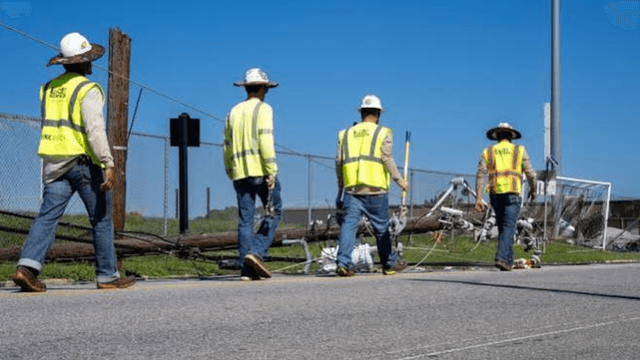
- Storm debris. Limbs, downed fencing, and loose tin from summer storms should be cleared before the next big blow turns them into projectiles.
- Barn and feed room clutter. Empty feed sacks, broken pallets, old furniture, and years of "I might need that" all add up fast.
Picking the Right Size Roll-Off
Farm debris is bulky but often heavy, so think about weight as much as volume. Wet hay, soil-caked posts, and concrete add tons quickly.
12–15 yard: Feed room and barn cleanouts, a few runs of fencing
20 yard: A small shed teardown, storm debris, mixed fencing and lumber
30 yard: Large outbuilding demolition or a full property cleanup
When in doubt, size up one step. A second haul almost always costs more than the bigger box would have.
What Stays Out of the Dumpster
Farms collect a lot of material landfills won't take. Keep these separate:
- Pesticides, herbicides, and fertilizer containers with product left in them
- Used motor oil, hydraulic fluid, fuel, and antifreeze
- Tires and batteries
- Paint and solvents
- Refrigerators, freezers, and AC units that still hold refrigerant
Most counties in North Florida run household hazardous waste days or collection centers for these. Your county's solid waste office can point you to the closest drop-off. Asking your hauler up front saves you a surprise charge later.
Placement Tips for Farm Ground
A loaded roll-off truck is heavy, and North Florida sand and clay don't always cooperate. A little planning keeps the delivery smooth:
- Pick firm, level ground. A gravel drive, pad, or packed area near the barn is ideal. Avoid low spots that hold water after rain.
- Check overhead clearance. The truck needs room to tilt the bed, so watch for power lines and low limbs.
- Leave a straight approach. Roll-off trucks need about 60 feet of straight line to drop and pick up the box.
- Put boards under the rails. Plywood or planks under the dumpster protect your drive and keep it from sinking.
- Gate livestock out. Keep animals away from the drop zone and from loose debris while you load.
Get It Done Before the Cold Sets In
A clean farm is safer for your animals, easier to mow, and less inviting to rodents and snakes over the winter. It also means you start spring with your barn space back instead of another weekend of hauling.
TrashHelp North Florida is a family-run, locally owned company based in High Springs, with a second yard on a working farm near Lake City. We deliver roll-offs to farms and rural properties across Alachua, Columbia, Gilchrist, Union, and Suwannee counties. If you're planning a fall cleanout, our roll-off dumpster rental in Gainesville and the surrounding area makes it a one-trip job: we drop it, you fill it, we haul it.

Best Houses Contributor
Covers residential real estate and the agents behind it, from listings and design to the deals that close.
This article features partner, contributor, or branded content from a third party. Members of the Best Houses editorial staff were not involved in the creation of this content. All views and opinions are those of the contributor alone.